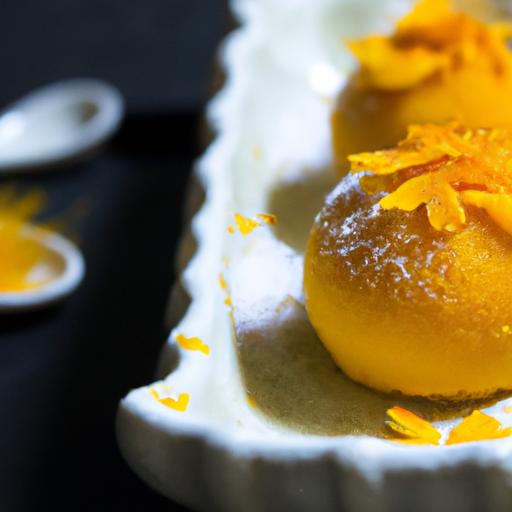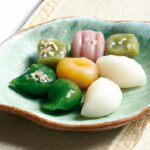


In the delicate dance of flavors and textures that define Japanese cuisine,desserts hold a special place-subtle,artful,and steeped in tradition. Beyond the sugary rush, authentic japanese sweets, or wagashi, offer a window into centuries of cultural heritage, seasonal celebrations, and mindful craftsmanship. From the delicate chewiness of mochi to the floral fragrance of sakura-infused treats, these desserts invite us to savor not just taste, but history and meaning. Join us as we journey through the sweet traditions of Japan,uncovering timeless recipes that have delighted generations and continue to charm palates around the world today.
Origins and Cultural Meaning of Classic Japanese Sweets
Sweet Traditions: Exploring Authentic Japanese Dessert recipes invites you on a journey through Japan’s time-honored confectionery culture-where every bite tells a story of craftsmanship, seasonality, and party.Traditional sweets like mochi and anmitsu are not only delightful treats but also reflections of centuries-old customs and regional pride. Rooted in Buddhist tea ceremonies and local festivals, these desserts epitomize harmony and simplicity, crafted to honor nature’s changing seasons and communal moments.
The cultural significance of wagashi-Japanese sweets-inspires both reverence and creativity among makers. Each region adds subtle local twists, incorporating indigenous ingredients that beautifully elevate the flavor profile. Embracing this heritage through modern kitchen techniques can bring authentic sweetness into your home with a fresh perspective.
Mastering Mochi Variations from texture to Flavor
Mochi is the quintessential symbol of Japanese sweets, cherished for its soft, chewy texture and versatile flavor palette. From the classic daifuku filled with luscious red bean paste to seasonal variations flavored with sakura or matcha,mochi’s appeal lies in its tactile contrast and subtle taste. Learning to perfect mochi means grasping the delicate balance of glutinous rice flour hydration, cooking time, and kneading techniques that contribute to its signature chewiness.
To make your own mochi, start by soaking sweet rice if opting for the traditional method or using mochiko (sweet rice flour) for a quicker preparation.Texture variations are achieved through diffrent steaming and pounding methods or by adding ingredients like kinako (roasted soybean flour) or fruit purees. With practice, the process becomes meditative-a rewarding blend of tactile skill and flavor experimentation.
Delightful Anmitsu Recipes for a Refreshing Treat
Anmitsu is an elegant summer dessert characterized by its mosaic of ingredients like agar jelly cubes, sweet red bean paste, fresh fruit, and syrup. Traditionally savored chilled,it offers a refreshing contrast to warmer wagashi. The key to impressive anmitsu lies in perfectly setting the kanten (agar jelly), cutting ingredients into bite-sized shapes, and balancing sweetness with the light tartness of seasonal fruits.
- Agar jelly provides a firm, translucent base that carries flavors beautifully.
- Classic toppings include anko,shiratama dango (mochi balls),tropical fruits,and a drizzle of kuromitsu (black sugar syrup).
- Experimenting with tropical or local fruits adds a personal twist, making it easily customizable for any palate.
Seasonal Ingredients that Elevate Traditional Wagashi
The soul of authentic wagashi is inseparable from the seasons-spring’s sakura blooms and fresh strawberries, summer’s gyokuro tea and peaches, autumn’s chestnuts and sweet potatoes, and winter’s yuzu and persimmons all make their appearances in dessert form. These ingredients not only refine flavor but also embody the Japanese philosophy of shun, or seasonal gratitude.
Incorporating seasonal elements gives your desserts depth and authenticity and connects you to centuries-old culinary mindfulness. Imagine biting into a soft mochi filled with vibrant red bean paste and infused with fragrant yuzu zest during winter-that moment bridges past and present with every mouthful.
Prep and Cook Time
- Preparation: 20 minutes
- Cooking & Setting: 30 minutes
- Total Time: 50 minutes
Yield
- 4 servings
Difficulty Level
- Medium
Ingredients
- 1 cup mochiko (glutinous rice flour), sifted
- 3/4 cup sugar
- 1 cup water
- 1 cup sweet red bean paste (anko)
- Kinako (roasted soybean flour) for dusting
- Fresh seasonal fruits (such as strawberries, peaches, or persimmons), sliced
- 1 teaspoon matcha powder (optional, for flavor variation)
- Kanten agar powder (for anmitsu jelly)
- Kuromitsu (black sugar syrup), for drizzling
Instructions
- Prepare the Mochi Dough: In a microwave-safe bowl, mix mochiko, sugar, and water until smooth. For a flavor twist, add matcha powder at this stage. Cover loosely with plastic wrap.
- Cook the Mochi: Microwave the mixture on high for 2 minutes. Stir well, then microwave for an additional 1-2 minutes until the dough is slightly translucent and sticky.
- Shape the Mochi: Dust your working surface with kinako. While the mochi is still hot,spread it evenly and cut into 8 equal squares. Flatten each square and place about 1 tablespoon of red bean paste in the center, then fold the edges over to seal.
- Prepare the Agar Jelly (for Anmitsu): Dissolve 1 teaspoon of kanten agar powder in 1 cup water, bring to a boil while stirring, then pour into a shallow pan to set in the fridge for 30 minutes.
- assemble Anmitsu: Cut the agar jelly into cubes. In individual serving bowls,arrange the jelly cubes,sliced fresh fruits,shiratama mochi balls (optional),and a small scoop of anko. Drizzle kuromitsu over the top.
- Serve: Present mochi dusted with kinako alongside a refreshing bowl of anmitsu for a harmonious traditional dessert duo.
Tips for Success
- Keep mochi pliable: If the dough becomes too sticky, lightly dust your hands and surface with kinako or cornstarch rather than flour to preserve authenticity.
- Adjust sweetness: Tailor the sugar levels in both the mochi dough and kuromitsu according to taste preferences.
- Make ahead: Prepare the agar jelly and anko up to one day in advance, storing them covered in the refrigerator.
- Substitutions: For a gluten-free alternative, mochiko is naturally gluten-free, but always check your sweeteners to ensure no cross-contamination.
Serving Suggestions
Serve the freshly made mochi warm or at room temperature, lightly dusted with kinako to lend a nutty aroma. Complement the chewy texture with colorful seasonal fruits on the side to add brightness and natural sweetness. Pair your desserts with a cup of hot green tea or iced gyokuro for a refreshing balance.
to elevate presentation, arrange wagashi on a traditional lacquer tray or delicate ceramic plates, garnishing with edible cherry blossoms or small sprigs of fresh mint. These visual touches create an inviting experience that delights all senses.
| Nutrient | Per Serving |
|---|---|
| Calories | 220 kcal |
| Protein | 3 g |
| Carbohydrates | 48 g |
| Fat | 0.5 g |

For more inspiration on traditional japanese confections and tea pairings, explore our Matcha Tea and Dessert Pairings Guide. To deepen your knowledge of agar jelly science, visit the science Daily coverage on agar properties.
Q&A
Q&A: Sweet Traditions-Exploring Authentic japanese Dessert Recipes
Q1: What makes Japanese desserts uniquely distinct from Western sweets?
A1: Japanese desserts, or wagashi, emphasize natural flavors, subtle sweetness, and beautiful presentation. unlike many Western treats that rely on heavy creams and sugar, Japanese sweets often showcase delicate ingredients like red bean paste, matcha, and mochi, focusing on harmony and seasonality.
Q2: Can you name some iconic traditional Japanese desserts featured in authentic recipes?
A2: Certainly! Some beloved classics include dorayaki (sweet red bean pancakes), daifuku (soft mochi stuffed with sweet fillings), anpan (sweet bread with red bean paste), and kuzumochi (starch-based jelly). Each has a story that dates back centuries, carrying cultural significance beyond taste.
Q3: How significant is seasonality in Japanese dessert preparation?
A3: Seasonality is a core principle. Japanese sweets often reflect the changing seasons by incorporating seasonal ingredients-like sakura (cherry blossoms) in spring or chestnuts in autumn. This not only celebrates nature’s cycles but also offers a sensory experience that goes beyond flavor, embracing color, texture, and aroma.
Q4: What role does texture play in traditional Japanese sweets?
A4: Texture is as essential as taste in Japanese confections. The interplay between chewy mochi, smooth bean paste, crunchy rice crackers, and delicate jellies creates a multi-layered sensory delight. This mindful contrasts in texture enhance the overall eating experience.
Q5: Are these traditional Japanese dessert recipes challenging to make at home?
A5: While some techniques can be intricate, many authentic recipes are approachable with a bit of patience and the right ingredients. Such as,making dango (glutinous rice dumplings) or anpan can be a fun project for home cooks eager to connect with Japanese culinary traditions without advanced skills.
Q6: Where can one find authentic ingredients for making these desserts outside Japan?
A6: Specialty Asian grocery stores and increasingly, online retailers, stock essentials like sweetened red bean paste (anko), matcha powder, and glutinous rice flour. Exploring local Japanese markets can also unearth unique items that help capture that authentic flavor.
Q7: How do these desserts fit into modern Japanese lifestyles?
A7: Though rooted in tradition, Japanese sweets remain vibrant today, with contemporary chefs reinventing classics and fusing global influences.They are enjoyed during festivals, tea ceremonies, and everyday moments, symbolizing a bridge between past and present.
Q8: Why should someone explore making authentic Japanese desserts?
A8: Beyond the joy of tasting something delicately delicious,making Japanese desserts offers a cultural journey-a way to appreciate Japan’s artistry,history,and philosophy through food. It reveals how simplicity and mindfulness can transform a simple sweet into a meaningful experience.
To Conclude
As we wrap up our journey through the delicate world of authentic Japanese desserts, it’s clear that these sweet traditions are much more than just treats-they are edible stories, woven from centuries of culture, artistry, and seasonality. Whether it’s the subtle elegance of matcha-flavored confections or the chewy delight of mochi, each recipe invites us to savor a moment of mindfulness and connection to heritage.So,next time you crave something sweet,why not step beyond the familiar and explore these time-honored Japanese delicacies? With their balance of simplicity and sophistication,they promise not only to satisfy your taste buds but also to sweeten your understanding of Japan’s rich culinary landscape.