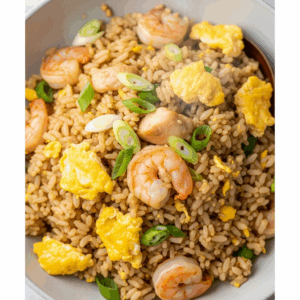
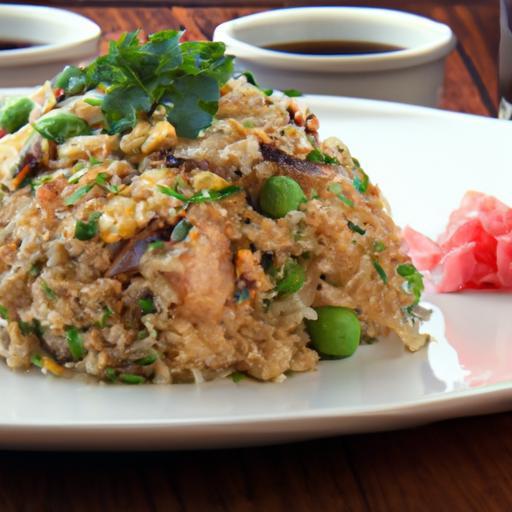
There’s a certain magic in the simple sizzle of rice hitting a hot pan, especially when it carries the aromatic whispers of Japan’s culinary heritage. Japanese fried rice, or chāhan, is more than just a fast meal-it’s a harmonious blend of textures, flavors, and traditions that elevate humble ingredients into a comforting masterpiece. Whether you’re a seasoned chef or a kitchen novice, mastering Japanese fried rice opens the door to authentic tastes that are both satisfying and surprisingly easy to recreate at home. In this article, we’ll explore the secrets behind perfect chāhan, share authentic recipes that bring out Japan’s vibrant flavors, and guide you step-by-step toward your next flavorful adventure. Ready to transform everyday rice into an unforgettable dish? Let’s dive in.
Mastering Japanese Fried Rice begins wiht an understanding of its defining ingredients and the subtle techniques that bring out its distinct harmony. Japanese fried rice, or “Chahan,” is a delicate dance between texture, umami-rich flavors, and simple yet thoughtful seasoning. This dish owes its origins to the influence of Chinese fried rice but has evolved into a uniquely japanese staple, cherished for its comforting balance and adaptability. From the perfectly separated grains to the gentle hint of soy, every element is a testament to the art of combining everyday ingredients into something exceptional.
Prep and Cook Time
- planning: 10 minutes
- Cooking: 15 minutes
- Total: 25 minutes
Yield
Serves 2 to 3 people
Difficulty Level
Easy to Medium
Ingredients
- 2 cups cooked Japanese short-grain rice (preferably chilled overnight)
- 2 large eggs, beaten
- 1/2 cup diced cooked chicken, pork, or shrimp (optional)
- 1/3 cup diced onion
- 2 cloves garlic, minced
- 2 tablespoons soy sauce (preferably dark soy sauce for depth)
- 1 teaspoon mirin (optional but enhances subtle sweetness)
- 1/4 cup frozen peas, thawed
- 1/4 cup finely chopped green onions
- 2 tablespoons vegetable oil or neutral oil
- Salt and white pepper, to taste
- Pickled ginger (beni shoga), for garnish (optional but authentic)
Instructions
- Prep your rice: Break up any large clumps of cold rice with a fork or your fingers to ensure grains remain separated during cooking.
- Heat the wok or skillet: Add 1 tablespoon of vegetable oil over medium-high heat. Once shimmering,pour in the beaten eggs. Let the eggs set for about 30 seconds before gently scrambling them untill just cooked. Remove the eggs and set aside.
- Sauté aromatics and protein: Add the remaining 1 tablespoon of oil. Stir in diced onions and garlic, cooking until fragrant and translucent, about 2-3 minutes. Add your choice of diced protein and sauté until warmed through and lightly browned.
- Incorporate the rice: Add the rice to the wok, stirring continuously. Press the rice against the pan to toast it slightly, enhancing flavor and texture. Cook for about 4-5 minutes, stirring occasionally to prevent sticking.
- Season the rice: Drizzle soy sauce and mirin evenly over the rice. Continue to toss and stir, allowing the flavors to penetrate while the rice grains develop a light golden hue.
- Add veggies and eggs: Fold in the peas, green onions, and scrambled eggs. Stir for another 1-2 minutes to warm through and combine flavors.
- Final seasoning: Taste and season with salt and white pepper as needed.For an authentic touch, avoid overpowering the balance-Japanese fried rice is all about subtlety.
- Serve instantly: garnish with beni shoga or more spring onions for a pop of color and tang. Enjoy warm.
Tips for success
- Rice texture: Always use day-old or thoroughly chilled rice; freshly cooked rice is too moist and will clump.
- Oil temperature: Ensure your wok or pan is hot before adding oil to create that aromatic sear and prevent sticking.
- Protein choices: Leftover grilled meats or perfectly cooked tofu can substitute proteins, adjusting seasonings accordingly.
- Flavor balance: Soy sauce delivers savory depth,while mirin lends delicate sweetness-that synergy is crucial to authentic taste.
- Vegetable variations: Try adding finely diced carrot,corn,or shiitake mushrooms for personalized twists.
- Make ahead: Cold fried rice stores well in an airtight container for up to 2 days. Reheat over medium heat with a splash of water or broth.
Serving Suggestions
Present your Japanese fried rice with a light drizzle of additional soy sauce or a touch of toasted sesame oil for warmth. Complement the dish with pickled ginger or a crisp side salad dressed in sesame vinaigrette to brighten the palate. For a heartier meal, serve alongside miso soup or a small plate of agedashi tofu.
| Nutrient | Per Serving |
|---|---|
| Calories | 350 kcal |
| protein | 15 g |
| Carbohydrates | 45 g |
| Fat | 10 g |

Explore more: Japanese Cooking Basics
For further insight into the culinary traditions that inspire this dish, visit Japan Guide’s Chahan Overview.
Q&A
Q&A: Mastering Japanese Fried Rice – Authentic Recipes to Try Today
Q1: What makes Japanese fried rice different from other fried rice varieties?
A: Japanese fried rice, or Chāhan (チャーハン), stands out for its delicate balance of flavors and textures. Unlike heavier, oil-laden fried rice in some cuisines, Chāhan uses short-grain Japanese rice that’s slightly sticky yet fluffy, combined with subtle seasonings like soy sauce, sake, and sometimes dashi. The result is a harmonious, umami-rich dish that’s both comforting and refined.
Q2: Which type of rice should I use for authentic Japanese fried rice?
A: For true authenticity, use freshly cooked Japanese short-grain rice. Its sticky but tender texture is crucial for clumping just enough without becoming mushy. Ideally, use rice that was cooked and cooled slightly beforehand-day-old rice works perfectly because it’s less moist, allowing for better frying without clumping.
Q3: What are the essential ingredients in a classic Japanese fried rice recipe?
A: At its core, classic Chāhan includes cooked rice, eggs, chopped green onions, diced pork or chicken, soy sauce, and sometimes a splash of sake or mirin for depth. Garlic and ginger are often used sparingly or omitted altogether to keep the flavors clean and distinct. The key is simplicity and balance.
Q4: How do I achieve that perfect fluffy yet separated texture in my fried rice?
A: The trick lies in heat control and technique. Use a hot pan or wok to quickly sear the ingredients, keeping movements fast and even. Cook eggs first, then set them aside before stir-frying the rice to prevent clumping. Incorporating small amounts of oil and continuously tossing the rice ensures each grain is coated but not greasy. Patience and practice will help you master this delicate dance.
Q5: Can I customize Japanese fried rice while maintaining its authenticity?
A: Absolutely! While the foundation is customary, Japanese fried rice embraces seasonal and regional variations. Try adding diced shiitake mushrooms, pickled ginger for a hint of tartness, or even small bits of shrimp. Just remember to keep the seasoning light and the rice texture intact to honor the dish’s roots.
Q6: Is Japanese fried rice suitable for beginners in Japanese cooking?
A: Definitely. Japanese fried rice is approachable yet rewarding-perfect for anyone starting to explore Japanese home cooking. Its straightforward ingredients and quick cooking time make it an excellent practice ground for stove-top techniques, flavor balancing, and ingredient prep.
Q7: What side dishes pair well with Japanese fried rice?
A: Japanese fried rice is versatile and pairs wonderfully with miso soup, a simple cucumber sunomono salad, or even karaage (Japanese fried chicken) for a fuller meal. A light bowl of pickled vegetables or a sunny-side-up egg on top can also elevate the experience.
Q8: Any pro tips to take my japanese fried rice from good to restaurant-worthy?
A: Use high-quality ingredients-Japanese rice varieties and authentic soy sauce made a huge difference. Cook on high heat to keep ingredients vibrant and slightly smoky; don’t overcrowd the pan. lastly, finish with a sprinkle of finely chopped green onions and a dash of toasted sesame oil for that irresistible aroma.
Ready to fry up your own batch? With these insights, your journey to mastering authentic Japanese fried rice is well underway-taste bud delight guaranteed!
Final Thoughts
As you embark on your journey to master Japanese fried rice, remember that each grain holds the essence of tradition, flavor, and technique passed down through generations. With these authentic recipes in your kitchen arsenal, you’re not just cooking a dish-you’re crafting a story of balance, simplicity, and culinary artistry. So grab your wok, gather your freshest ingredients, and let the savory symphony of Japanese fried rice inspire your next meal. Happy cooking, and may every bite transport you to the vibrant streets and cozy homes of Japan!