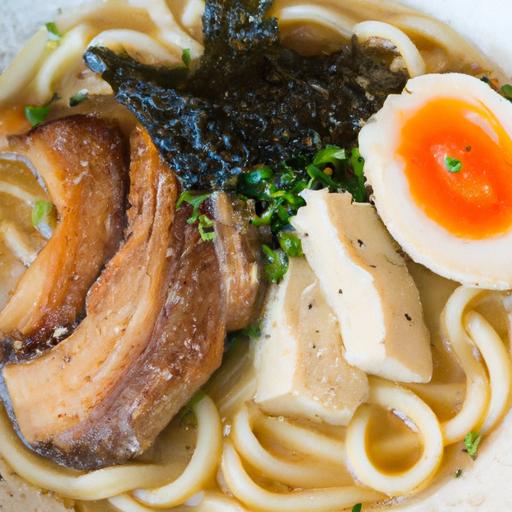

There’s something profoundly comforting about the steamy embrace of a bowl of noodle soup-an experience that transcends mere sustenance to become a ritual steeped in history and culture. In Japan, this ritual takes center stage, where every slurp tells a story woven from centuries of culinary artistry and regional pride. From the rich,savory depths of tonkotsu ramen to the delicate,fragrant notes of kake udon,Japan’s iconic noodle soups invite both locals and travelers alike to savor tradition one satisfying mouthful at a time. Join us as we embark on a flavorful journey through Japan’s beloved broths and noodles, uncovering the heritage simmering in each bowl and the timeless appeal that keeps this beloved comfort food at the heart of Japanese life.
slurp into Tradition: Exploring Japan’s Iconic Noodle Soups invites you on a sensory journey through Japan’s soulful noodle soup culture-a world where every bowl tells a story of heritage, craftsmanship, and regionally distinct flavors. From the bustling streets of tokyo to the serene countryside of Hokkaido, these soups transcend mere sustenance, embodying generations of culinary tradition that warm the body and heart alike.
The Rich History Behind Japan’s Noodle Soup Culture
Japanese noodle soup culture began to bloom during the Edo period, evolving as a humble street food and later becoming a national treasure. Ramen, originally influenced by Chinese wheat noodles, was embraced and transformed into a distinctly Japanese delicacy by master craftsmen and evolving palates. This rich history is a testament to meticulous readiness-from simmering broths for hours to hand-pulling noodles and adding precise toppings.
Personal stories of ramen shops passed down through generations illustrate how noodle soup became woven into everyday life. Whether enjoyed at a tiny ramen-ya or savored during festivals, this culinary art encourages slurping loudly-signaling enjoyment and respect for the craftsmanship behind each bowl.
Regional Varieties and signature Flavors to Savor
Across Japan’s diverse regions, noodle soups are a canvas for local ingredients and flavor preferences:
- Sapporo (Hokkaido): Rich miso ramen featuring a hearty pork and seafood broth, topped with sweet corn and butter.
- Kitakata (Fukushima): famous for its light soy-based broth paired with flat, curly noodles.
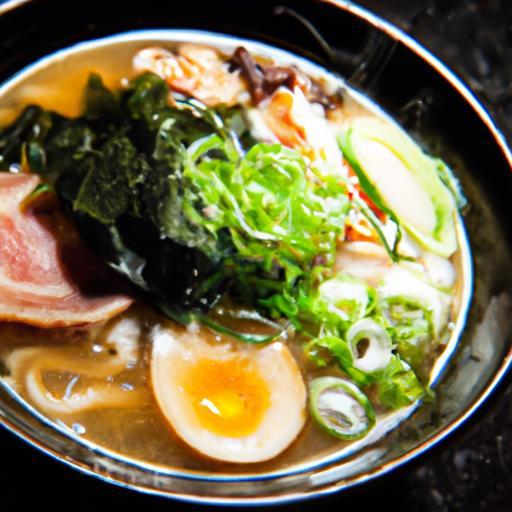
- Tokyo Style: Clear soy sauce-infused broth layered with tender chashu pork, bamboo shoots, and a marinated soft-boiled egg.
- Hakata (Fukuoka): Creamy, pork-bone tonkotsu ramen with thin, straight noodles and pickled ginger garnish.
Each flavor profile offers a distinct experience but shares the core essence of balance and umami that defines Japanese ramen.
Essential Ingredients That Define authentic Japanese Ramen
- Broth base: Pork bones (tonkotsu), chicken bones, kombu (kelp), dried bonito flakes (katsuobushi), and shiitake mushrooms for depth.
- Noodles: Freshly made wheat noodles-curly or straight-varying in thickness and texture.
- Tare: Concentrated seasoning sauces such as soy sauce (shoyu), miso paste, or salt (shio) that define the soup’s key taste.
- Toppings: Chashu pork slices, ajitsuke tamago (marinated soft-boiled eggs), menma (fermented bamboo shoots), nori seaweed, spring onions, and narutomaki fish cake.
Top Local Spots and Hidden Gems for Noodle Soup Enthusiasts
If you’re chasing authentic ramen experiences, look beyond mainstream restaurants. Small, family-run shops frequently offer the richest broths and freshest noodles, often with secret recipes crafted over decades. Tokyo’s Ramen Street in Tokyo Station houses celebrated names like Rokurinsha, while Fukuoka’s Ippudo is legendary for tonkotsu ramen worldwide.
For an insider’s touch, wander into neighborhoods away from tourist hubs-unyielding passion shows in local tiny eateries where chefs focus on slow-simmered broths and meticulously layered toppings. this gastronomic hunt perfectly complements the enduring ritual of slurping – a sensory immersion into Japan’s iconic noodle soups.
Prep and Cook Time
- Preparation: 20 minutes
- Cooking: 4 hours (broth simmering)
- Total: 4 hours 20 minutes
Yield
Serves 4 hearty bowls
Difficulty Level
Medium – requires time and patience but rewarding for home cooks eager to master technique
Ingredients
- 4 lbs pork bones (preferably leg and neck bones)
- 1 lb chicken carcass (for added umami)
- 1 piece kombu (dried kelp), 4 inches
- 1 cup dried bonito flakes
- 12 cups water
- 4 servings fresh ramen noodles
- 1/2 cup soy sauce (shoyu tare)
- 2 tbsp mirin
- 2 tsp sugar
- 4 soft-boiled eggs, marinated in soy sauce and mirin
- 8 slices chashu pork (braised pork belly)
- 1 cup menma (fermented bamboo shoots)
- 4 sheets nori seaweed
- 4 stalks green onions, thinly sliced
- Sesame seeds for garnish
Instructions
- Prepare the Broth: Soak pork bones in cold water for 1 hour, changing water several times to remove impurities. Drain and rinse.
- In a large stockpot,add pork bones,chicken carcass,and 12 cups fresh water. Bring to a boil, then reduce heat to simmer gently.
- Add kombu after 30 minutes, simmer an additional 3 hours, skimming scum frequently for clear broth.
- Remove kombu after 30 minutes, add bonito flakes in final 20 minutes, then strain broth through fine mesh.
- Make the Tare: In a small saucepan, combine soy sauce, mirin, and sugar. Warm gently to dissolve sugar. Set aside.
- Cook ramen noodles in boiling water for 2-3 minutes until al dente. Drain well.
- To assemble, add 2-3 tablespoons tare to each bowl, ladle broth over, then gently place noodles.
- Top with chashu pork slices, marinated egg halves, menma, nori, and sprinkle with green onions and sesame seeds.
- Serve promptly, encouraging slurping to fully appreciate the flavors and textures.
Tips for Success
- For a richer broth, roast pork bones at 400°F (200°C) for 30 minutes before boiling.
- Use fresh noodles or cook dried to al dente to prevent sogginess.
- Soft-boiled eggs marinate overnight for optimal flavor and texture.
- Skim broth regularly during simmering; a clean broth provides a elegant palette.
- Make broth a day ahead to enhance depth and allow fat to solidify on top-skim off before reheating.
Serving Suggestions
Present your ramen in wide, shallow bowls to showcase the vibrant toppings. Add a small side of pickled ginger or kimchi for a tangy contrast. Pair with hot green tea or sake for a soulful Japanese meal. Encourage diners to use chopsticks and large spoons, inviting them to savor the harmony of noodles, broth, and garnishes with every slurp.
| Nutrition per Serving | Calories | Protein | carbs | Fat |
|---|---|---|---|---|
| Ramen Bowl | 550 kcal | 35g | 60g | 15g |

Embark on your own adventure to recreate this rich tradition in your kitchen and dive into the warm, umami-filled world of Japan’s iconic noodle soups. For more ramen inspiration and Japanese culinary classics, check out our related post here. To deepen your knowlege on the history of ramen, visit the Japan Guide’s ramen history page.
Q&A
Q&A: Slurp into Tradition – Exploring Japan’s Iconic Noodle Soups
Q1: What makes Japanese noodle soups so iconic and beloved around the world?
A1: Japanese noodle soups are more than just meals-they are edible stories steeped in centuries of tradition, regional pride, and culinary artistry. The harmony of hand-pulled noodles, rich broths, and carefully chosen toppings creates a multi-sensory experience that invites you to slurp, savor, and connect with Japan’s culture sip by flavorful sip.
Q2: What are the most famous types of Japanese noodle soups?
A2: The big three noodle soups that capture Japan’s essence are ramen, udon, and soba. Ramen dazzles with its hearty, often pork-based broth and springy wheat noodles. Udon offers thick, chewy noodles swimming in a subtle dashi broth. Soba, crafted from buckwheat, delivers a nutty depth often enjoyed hot or chilled, embodying both simplicity and sophistication.
Q3: Why is slurping such an important part of eating noodle soup in Japan?
A3: In Japan, slurping is a sign of appreciation and enjoyment. It cools down hot noodles, aerates the flavors, and makes the whole experience more lively and interactive. Rather than being rude, it’s a joyful sound signaling respect for the chef and the meal-an audible “thank you” with each bite.
Q4: How do regional variations influence Japanese noodle soups?
A4: Japan’s diverse geography is beautifully reflected in its noodle soups. From Sapporo’s rich, miso-based ramen perfect for chilly winters, to Kyoto’s light, elegant udon with delicate broth, each region infuses local ingredients, climate, and history into its bowls. These regional variations invite curious food lovers to embark on a deliciously diverse journey across the country.
Q5: Can traditional Japanese noodle soups be enjoyed by vegetarians or vegans?
A5: Absolutely! While many broths traditionally rely on fish or meat,there are flavorful vegetarian and vegan alternatives based on kelp,shiitake mushrooms,and soy. These plant-based broths can be just as complex and satisfying, proving that tradition can evolve while still honoring its roots.
Q6: How do Japanese noodle soups reflect the culture beyond just the ingredients?
A6: Every bowl is a microcosm of Japanese values-attention to detail, seasonality, balance, and harmony.The artful presentation, the communal atmosphere of noodle shops, and the ritual of preparation and consumption embody a profound cultural mindfulness that turns eating into an experience rather than just nourishment.
Q7: What advice would you give to someone trying Japanese noodle soup for the first time?
A7: Dive in fearlessly with your chopsticks and don’t be shy to slurp! Pay attention to the broth first-it’s the soul of the soup. Then explore the textures of noodles and toppings. Embrace the communal spirit by dining in a lively ramen shop or udon stand, and let your taste buds travel through the layers of history and hospitality stirred into every steaming bowl.
Final Thoughts
As the last savory sip of broth warms your senses and the final strands of noodles slip from your chopsticks, you realize that japan’s iconic noodle soups are more than just meals-they are living stories steeped in history, culture, and craft. From the bustling streets of Tokyo to the tranquil corners of rural villages, each bowl invites you to slurp into tradition, savoring flavors perfected over centuries. So next time you find yourself craving comfort in a bowl, remember: you’re not just eating noodles-you’re tasting a rich tapestry of Japan’s culinary soul, one tasty slurp at a time.