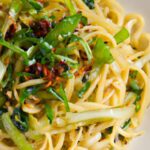
In the vibrant tapestry of Korean cuisine, few dishes capture the harmony of flavor, texture, and tradition quite like japchae. This beloved stir-fried glass noodle dish is more than a simple meal-it is a culinary masterpiece that weaves together sweet, savory, and smoky notes in every bite. From its humble origins as a royal court delicacy to its widespread status as a festive favorite, japchae unveils a story of artistry and cultural heritage.Join us as we delve into the art of crafting perfect glass noodles, balancing colorful vegetables, and achieving that signature glossy finish that defines this Korean classic. Welcome to the flavorful world of japchae-where every strand tells a tale.
Japchae Unveiled skillfully introduces you to the complex harmony of Korean stir-fried glass noodles, where the chewy texture of dangmyeon (glass noodles) perfectly complements the vibrant medley of sautéed vegetables and savory seasonings. This iconic dish, deeply rooted in korean royal court cuisine, epitomizes party, balance, and culinary artistry, making every bite a joyful exploration of flavor and tradition.
Prep and Cook Time
- Preparation: 25 minutes
- Cooking: 15 minutes
- Total Time: 40 minutes
Yield
Serves 4 as a main dish or 6 as a side
Difficulty level
Medium - Requires attentive stir-frying and timing for perfect texture
Ingredients
- 200g Korean sweet potato starch glass noodles (dangmyeon)
- 2 tbsp vegetable oil, divided
- 150g thinly sliced beef sirloin (optional for authenticity)
- 3 cloves garlic, minced
- 1 medium carrot, julienned
- 1 small red bell pepper, thinly sliced
- 100g spinach, blanched and squeezed dry
- 4 shiitake mushrooms, thinly sliced
- 1 medium yellow onion, thinly sliced
- 3 green onions, cut into 2-inch lengths
- 3 tbsp soy sauce (use gluten-free if desired)
- 2 tbsp toasted sesame oil
- 1 tbsp sugar
- 1 tsp freshly ground black pepper
- 1 tbsp toasted sesame seeds for garnish
- Optional: 1 egg beaten and cooked as a thin omelette for garnish
Instructions
- Cook the glass noodles: Bring a large pot of water to a boil. Add dangmyeon and cook for 6-7 minutes until tender but still chewy. Drain and rinse under cold water to stop cooking. Cut noodles into manageable lengths (about 10 inches) with kitchen scissors and set aside.
- Prepare vegetables and beef: While noodles cook, heat 1 tablespoon of vegetable oil in a large pan over medium heat. Sauté the beef with half the garlic until browned, then remove from pan and set aside. In the same pan, separately sauté carrots, bell peppers, onions, spinach, and mushrooms just until tender but still crisp, about 2-3 minutes each. set all vegetables aside.
- Combine flavors: Return the noodles to the pan, drizzle with soy sauce and sprinkle sugar evenly. Toss gently to coat noodles without breaking them. Add the sautéed beef and all vegetables back in.
- Final seasoning: Add minced garlic, ground black pepper, and toasted sesame oil. Toss everything carefully but thoroughly, ensuring the flavors meld and the noodles glisten.
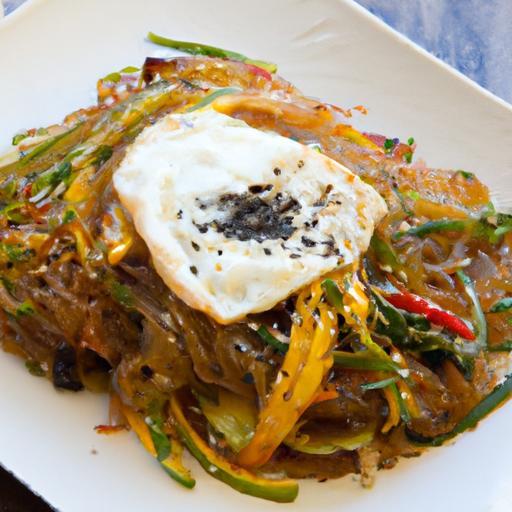
- Garnish and serve: Transfer to a serving platter, sprinkle generously with toasted sesame seeds. Add sliced green onions on top and garnish with thin strips of cooked egg omelette if desired. Serve warm or at room temperature for best texture.
Tips for Success
- mastering the noodle texture: Do not overcook your glass noodles. Al dente chewiness is key to an authentic Japchae experience – rinse thoroughly in cold water to prevent clumping.
- Vegetable preparation: Keep vegetables sliced uniformly to ensure even cooking and a visually stunning plate.
- Flavor balance: Adjust soy sauce and sugar to your taste preference.The interplay between salty and subtly sweet is what defines Japchae’s approachable yet complex palate.
- Protein variations: For a vegetarian version, omit beef and add tofu or extra mushrooms for umami richness.
- Make-ahead tips: Japchae can be prepared a day in advance and tastes even better as the flavors marry over time. Reheat gently to avoid drying out the noodles.
Serving Suggestions
This stir-fried glass noodle dish shines beautifully as a centerpiece on festive Korean tables. Serve atop a rustic wooden board or in a wide shallow bowl to showcase the colorful ingredients. Pair with customary kimchi to add bright, fermented contrast. For a modern twist, let it complement grilled Korean BBQ or serve in lettuce wraps for a hands-on experience.
Garnish with fresh scallion ribbons, a drizzle of extra toasted sesame oil for aroma, and a pinch of crushed red pepper flakes if you crave subtle heat. A crisp,cold glass of soju or chilled green tea rounds out the meal with refreshing balance.
Nutrition Facts per Serving
| Nutrient | Amount |
|---|---|
| Calories | 280 kcal |
| Protein | 12 g |
| Carbohydrates | 38 g |
| Fat | 7 g |

For deeper insight into the cultural background and variations of Korean dishes, visit Korean Bapsang, a highly respected authority on Korean home cooking.
Q&A
Q&A: Japchae Unveiled – The Art of korean stir-Fried Glass Noodles
Q1: What exactly is japchae?
Japchae is a vibrant Korean dish made from sweet potato starch noodles-commonly known as glass noodles-stir-fried with a colorful medley of vegetables,tender meat,and a subtly sweet-savory sauce. It’s a harmony of textures and flavors that dance in every bite, traditionally served at special occasions but loved year-round.
Q2: Why are the noodles called “glass noodles”?
They’re dubbed “glass noodles” because of their translucent, glossy appearance after cooking, resembling delicate shards of shimmering glass. Made from sweet potato starch, these noodles possess a unique chewy texture that sets them apart from wheat or rice noodles.
Q3: What makes Japchae stand out among other Korean dishes?
Japchae is a true celebration of balance and artistry-each ingredient is sliced thinly and cooked separately to preserve texture and color,then thoughtfully combined. Unlike heavy stews or grilled dishes, Japchae offers a light, refreshing yet satisfyingly savory option that showcases Korean culinary finesse.
Q4: Can Japchae be vegetarian or vegan?
Absolutely! While traditional Japchae often includes beef and egg garnish,it’s incredibly flexible. Swapping in tofu or mushrooms and omitting eggs creates a vibrant vegan version bursting with umami and freshness without losing its essence.
Q5: What’s the secret to perfectly cooking Japchae noodles?
Timing and technique are key! The noodles should be boiled just until tender but still elastic, then instantly rinsed under cold water to halt cooking and prevent stickiness.Tossing them lightly with sesame oil before mixing with other ingredients ensures they stay delightfully silky and separate.
Q6: How do the flavors in Japchae come together?
Japchae is seasoned with a simple yet profound blend of soy sauce, sugar, sesame oil, and garlic. This combination strikes a delicate balance-sweetness that complements the savory depth, nuttiness from sesame oil, and a subtle aromatic hint from garlic, layering complexity without overpowering.
Q7: Is Japchae only served hot?
While traditionally enjoyed warm, Japchae can also be served at room temperature or cold, making it a versatile dish perfect for picnics or as a refreshing side during warmer months. Its texture and flavor hold beautifully across temperatures.
Q8: How has Japchae evolved in modern Korean cuisine?
Today, Japchae inspires endless creativity-variations include seafood, spicy versions, or even fusion twists integrating Western vegetables and sauces. Yet the heart of Japchae remains intact: a dish that honors its heritage through vibrant, thoughtful cooking.
Q9: Why is Japchae a dish worth mastering at home?
Learning Japchae means embracing patience, precision, and appreciation for ingredient harmony. Every step-from noodle prep to vegetable slicing-is a small act of culinary mindfulness,rewarding cooks and eaters alike with a dish that’s as beautiful as it is delicious.
Q10: where can one experience authentic Japchae outside Korea?
Authentic Japchae graces menus worldwide, notably in Korean restaurants specializing in traditional fare. For an immersive experience, seek out eateries where chefs prepare Japchae fresh to order, ensuring the noodles glisten with perfection and the flavors remain vibrant.
Japchae is more than just a dish-it’s a dazzling edible tapestry, weaving together history, culture, and artistry in every glossy strand. Weather you savor it on a festive day or a quiet evening, Japchae invites you to taste the soul of Korea.
The Conclusion
as the final strands of japchae glisten on your plate,you begin to appreciate that this Korean stir-fried glass noodle dish is far more than a simple recipe-it is a vibrant tapestry woven from history,culture,and culinary artistry. Each slippery noodle, infused with the rich harmony of vegetables, savory soy, and sesame, tells a story passed down through generations. Whether enjoyed at a festive celebration or as a comforting home-cooked meal, japchae invites you to savor not just its flavors, but the heritage and heart behind every bite. So next time you twirl those translucent noodles, remember you’re partaking in an age-old tradition-one that continues to enchant palates around the world with its delicate balance and joyful spirit.