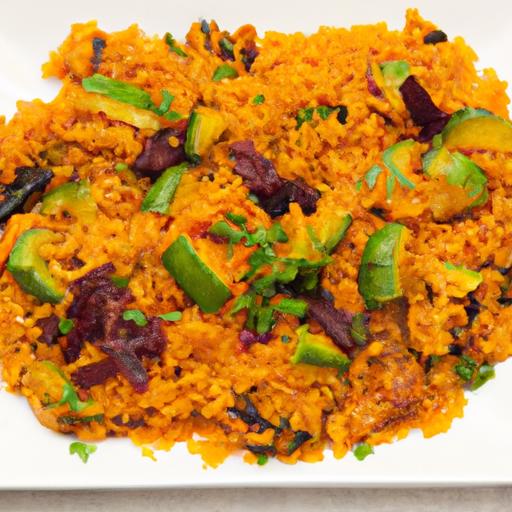
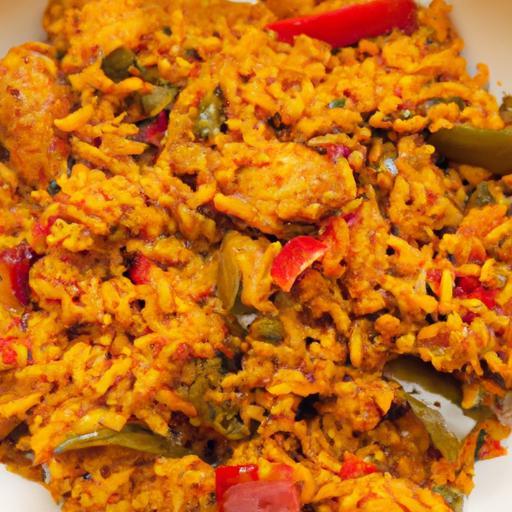
Few dishes capture teh vibrant spirit and rich heritage of west Africa quite like Nigerian jollof Rice. This iconic one-pot meal,bursting with bold,smoky flavors and radiant hues of red and orange,is more than just food-it is indeed a culinary party woven into the fabric of Nigeria’s history and culture. From bustling urban kitchens to festive family gatherings, Nigerian Jollof Rice serves as both a staple and a symbol, inviting everyone to embark on a flavorful journey through time-honored traditions, regional variations, and the passionate artistry behind its planning. Join us as we explore the origins, ingredients, and cultural meaning of this beloved dish that continues to ignite taste buds and unite communities across Nigeria and beyond.
Nigerian Jollof rice is more than just a meal-it’s a vibrant celebration of West African heritage, a tapestry of bold flavors and communal spirit that has delighted families and friends for generations. Originating from the Senegambian region and evolving uniquely within Nigeria, this beloved one-pot dish captures the soulful essence of home through its rich tomato base, aromatic spices, and perfectly cooked long-grain rice. Whether at festive gatherings or casual dinners, its irresistible taste and storied past make Nigerian Jollof Rice a culinary icon you’ll eagerly want to master.
Prep and Cook Time
- Preparation: 20 minutes
- Cooking: 45 minutes
- Total Time: Approximately 1 hour 5 minutes
Yield
serves 6 generous portions
difficulty Level
Medium – Perfect for home cooks ready to elevate their skills with authentic Nigerian flavors
Essential Ingredients That Define Authentic Nigerian Jollof Rice
- 3 cups long-grain parboiled rice, rinsed thoroughly
- 4 large plum tomatoes, blended into a smooth puree
- 1 cup tomato paste, for a deep, vibrant colour
- 2 red bell peppers, blended with tomatoes for natural sweetness
- 1 large onion, finely chopped (divided into halves)
- 4 cloves garlic, minced
- 1 thumb-sized piece of ginger, grated
- 1/2 cup vegetable or palm oil (palm oil gives more authentic taste)
- 2 teaspoons curry powder
- 1 teaspoon dried thyme
- 2 bay leaves
- 1-2 Scotch bonnet peppers, whole or chopped (adjust to heat preference)
- 4 cups chicken stock or water
- Salt and black pepper to taste
- Optional: diced carrots, peas, or cooked protein like chicken or shrimp
Step-by-Step Guide to Mastering the Perfect Nigerian Jollof Rice
- Rinse and soak rice under cold water for 15 minutes while preparing the sauce. This helps achieve fluffy, non-sticky rice.
- Heat oil in a large, heavy-bottomed pot on medium heat. Add half the chopped onions and sauté until translucent, about 3 minutes.
- Add garlic and ginger, continuing to sauté for another 2 minutes until aromatic.
- Pour in blended tomatoes, red peppers, and tomato paste. Simmer uncovered on medium-low heat for 15-20 minutes, stirring occasionally until sauce thickens and oil rises to the surface.
- Season the sauce with curry powder, thyme, salt, pepper, bay leaves, and whole scotch bonnet pepper(s).Stir well to incorporate all spices evenly.
- Drain soaked rice and gently fold it into the simmering sauce, mixing carefully to coat every grain.
- Add chicken stock or water to the pot, just enough to cover the rice by approximately 1 inch. Stir once gently.
- Cover the pot tightly (use foil under the lid if available to trap steam) and reduce heat to low. Let rice cook undisturbed for 30 minutes, checking once after 20 minutes for liquid level, but avoid stirring.
- Once done, fluff rice gently with a fork. Remove bay leaves and Scotch bonnet before serving.
- Sprinkle remaining sautéed onions on top for an added fresh crunch and aromatic lift.
Tips and Tricks for Elevating Your Jollof Rice Cooking Experience
- Use quality rice: Parboiled long-grain rice is traditional, but aged rice enhances texture and flavor considerably.
- Control heat carefully: The secret to perfect Jollof is low, slow cooking to meld flavors without burning the bottom.
- Oil choice matters: Palm oil adds an earthy depth, but vegetable oil offers a lighter profile for beginners.
- Add a smoky twist: Slight charring of the pot bottom (“party rice”) is a celebratory textural element Nigerian families adore.
- Customize with vegetables or protein: Incorporate freshly cooked chicken,fish,or shrimp; add green peas or diced carrots for color and nutrition.
- Keep covered: Avoid lifting the lid frequently to trap steam and cook the rice evenly.
- Make ahead: Jollof rice tastes even better the next day-store leftovers in an airtight container and reheat gently with an added splash of water or stock.
Serving Suggestions
Present your Nigerian Jollof Rice with vibrant garnishes like chopped fresh coriander or parsley, thinly sliced red onions, or crispy fried plantains on the side. Pair it with Nigerian staples such as fried chicken or traditional Nigerian stews to create a colorful,texturally rich feast that honors West African culinary tradition.
| Nutrient | Per Serving (approx.) |
|---|---|
| Calories | 420 kcal |
| Protein | 7 g |
| carbohydrates | 68 g |
| Fat | 10 g |

Q&A
Q&A: Nigerian Jollof Rice – A Flavorful Journey Through Tradition
Q1: What makes Nigerian Jollof Rice so special compared to other types of Jollof?
A1: Nigerian Jollof Rice stands out with its bold, smoky flavor and vibrant reddish-orange hue. Unlike other West African versions, Nigerian Jollof is typically cooked with parboiled long-grain rice, stewed tomatoes, red peppers, onions, and an array of spices that simmer together to create a rich depth of taste. The secret often lies in the “party rice” technique-slow cooking the rice in the tomato sauce until the bottom layer caramelizes, creating a signature “party burn” that adds a delightful smoky crunch.
Q2: What are the essential ingredients in Nigerian Jollof Rice?
A2: At its heart, Nigerian Jollof combines rice, fresh or canned tomatoes, red bell peppers, onions, garlic, and Scotch bonnet peppers for heat. Seasonings typically include thyme, curry powder, bay leaves, and stock cubes. Palm oil or vegetable oil is used generously to achieve that luscious texture and sheen. Many cooks also add ingredients like diced carrots,peas,or meat to elevate the dish.
Q3: Can you walk us through the traditional cooking process?
A3: The journey begins with preparing the base-a blended tomato and pepper stew cooked down until thick and fragrant. Next,rinsed rice is added to the stew,along with aromatic spices and stock. The pot is covered tightly to trap steam, allowing the rice to absorb all the flavors as it cooks. The magic happens when the rice steeps long enough to form a slightly crispy layer at the bottom, cherished as the “party burn.” This layer is a celebrated aspect of Nigerian Jollof, embodying both tradition and flavor.
Q4: How does Jollof Rice connect to Nigerian culture and celebrations?
A4: Jollof Rice is more than food; it’s a cultural emblem served at weddings, birthdays, festivals, and communal gatherings. It symbolizes joy, unity, and celebration, frequently enough prepared in large pots to feed many. Sharing Jollof at social occasions fosters togetherness and pride, making it a beloved national dish that transcends ethnic and regional divides within Nigeria.
Q5: Are there regional variations within nigeria itself?
A5: Absolutely! While the core elements remain consistent, northern Nigerian Jollof may lean towards more aromatic spices like cloves and nutmeg, while the southwestern style might incorporate more pepper heat and oiliness. The type of rice used and the cooking fuel (wood fire vs. gas stove) can also impart subtle differences, making each family’s recipe unique.
Q6: How has Nigerian Jollof Rice influenced global cuisine?
A6: As Nigerian diaspora communities spread worldwide, so has the love for Jollof Rice. It’s become a culinary ambassador of West African flavor, inspiring fusion dishes and appearing on menus from London to New York. International food lovers savor Nigerian Jollof for its complex taste and vibrant colors, frequently enough sparking curiosity about the rich culture behind the dish.
Q7: What tips can help a home cook master Nigerian Jollof Rice?
A7: Start with quality ingredients-ripe tomatoes and fresh peppers make a huge difference. Blend your base thoroughly for a smooth sauce and allow it to reduce well before adding rice. Use a heavy-bottomed pot to prevent burning, keep the heat low, and resist the urge to stir once the rice is simmering. Patience is key-good Jollof takes time to develop those signature smoky undertones. And don’t be shy about experimenting with local spices or garnishes to make the dish your own!
In Summary
As the vibrant hues and rich aromas of Nigerian jollof Rice continue to captivate taste buds around the world, this beloved dish stands as more than just a meal-it is a flavorful journey through history, culture, and community. From humble kitchens to festive celebrations, Jollof Rice tells a story of resilience, creativity, and shared heritage, inviting everyone to savor not only its spicy, savory depth but also the traditions that have simmered alongside it for generations. Whether you’re a longtime fan or a curious newcomer, embracing Nigerian Jollof is an invitation to explore a vibrant tapestry of flavor and culture that continues to inspire and unite, one tasty spoonful at a time.