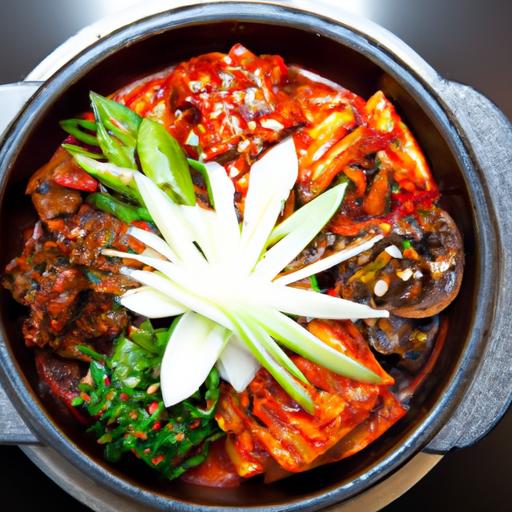
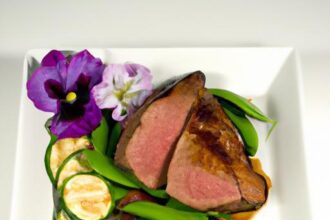
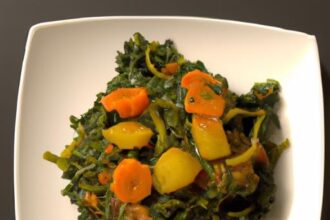
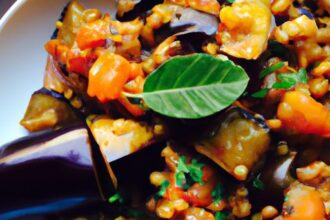
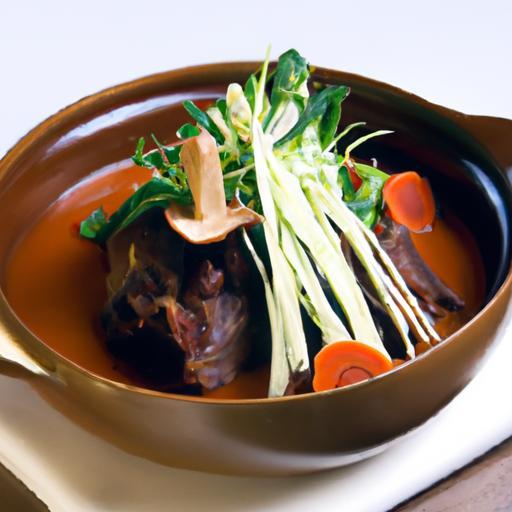
In the vibrant tapestry of Korean cuisine, few dishes capture the heart and home like jorim-those deeply satisfying braised creations simmered to perfection, where every ingredient becomes a vessel of rich, soulful flavor. “Jorim Unveiled: The art of Korea’s Flavorful Braised Dishes” invites you to embark on a sensory journey into the culinary tradition that transforms humble ingredients into mouthwatering masterpieces. From tender morsels of fish and meat to hearty vegetables, jorim is more than just a cooking technique; it’s an art form that blends patience, balance, and vibrant seasoning to embody the essence of Korean home cooking. Join us as we uncover the secrets behind jorim’s enduring appeal and explore how this beloved method continues to enrich korea’s gastronomic landscape.
Jorim, a jewel of Korean cuisine, invites you into a world of deep, soulful flavors crafted thru time-honored braising techniques. This dish perfectly exemplifies how customary ingredients – from rich soy sauce to fragrant sesame oil and sturdy vegetables – come together to create a comforting harmony that transcends simple taste.Whether it’s braised fish, tofu, or meat, mastering jorim lets you savor Korea’s culinary heritage in every luscious, tender bite.
Prep and Cook Time
- Preparation: 20 minutes
- Cooking: 40 minutes
- Total: 1 hour
Yield
Serves 4 generously
Difficulty Level
Medium – Requires attention to timing and layering flavors
Ingredients
- 500g fresh firm white fish fillets, cut into 2-inch pieces (or substitute with beef short ribs)
- 1 medium Korean radish, peeled and sliced into ½ inch rounds
- 1 block (300g) firm tofu, drained and sliced
- 4 cloves garlic, minced
- 2 green onions, chopped into 2 inch lengths
- 2 tbsp soy sauce (preferably Korean ganjang)
- 1 tbsp dark soy sauce for color
- 1 tbsp gochugaru (Korean red chili flakes) for gentle heat
- 1 tbsp brown sugar
- 1 tsp toasted sesame oil
- 1 cup water or anchovy broth for depth
- 1 tsp ginger, freshly grated
- ½ tsp freshly ground black pepper
- 2 tbsp vegetable oil
- Optional garnish: toasted sesame seeds and sliced fresh chili
Instructions
- Prepare the broth base: In a medium saucepan, combine water or anchovy broth, soy sauces, brown sugar, minced garlic, and grated ginger. Bring to a gentle simmer, allowing the sugar to dissolve fully while the flavors meld gently for about 5 minutes.
- Sear the main ingredients: Heat vegetable oil over medium-high heat in a heavy-bottomed skillet or dutch oven. Add the fish or beef pieces and lightly brown on all sides, about 3-4 minutes per side, taking care not to overcook. Remove and set aside.
- Sauté the radish: In the same pan, add radish slices. Cook for 5 minutes untill edges turn translucent, stirring occasionally to capture all the fond from the meat for fuller flavor.
- Begin braising: Return protein to pan with the radish. Pour the simmered broth over them. Add tofu slices carefully on top, drizzle gochugaru evenly, and sprinkle black pepper.
- Simmer gently: Cover the pot with a lid slightly ajar. Reduce heat to low and cook for 25-30 minutes, allowing the ingredients to braise and the sauce to thicken to a rich glaze.Check occasionally; if too dry, add a splash of water.
- Finish with aromatics: Just before serving, stir in toasted sesame oil and toss in green onions for a fresh bite and glossy finish.
Tips for Success
- Use anchovy broth rather than plain water to unlock authentic umami depth intrinsic to Korean jorim.
- Choose firm, fresh fish like cod or pollock for best texture, or beef short ribs for a heartier variation.
- Keep the heat low during braising to avoid toughening the protein – slow and steady builds richness.
- to make ahead: Prepare jorim a day before and refrigerate. Flavors will deepen beautifully. reheat gently to serve.
- Adjust gochugaru amount to suit your heat preferences – start conservatively and build spice gradually.
- Swap radish for daikon or potatoes for regional twists that still honor tradition.
Serving Suggestions
Serve steaming hot over fluffy white rice to soak up the glossy braising sauce. Garnish with a sprinkle of toasted sesame seeds and thin rings of fresh chili for vibrant color and a spicy contrast. Compliment the meal with crisp pickled kimchi and a bowl of mild seaweed soup to balance its intensity.

| Nutrient | Per Serving |
|---|---|
| Calories | 320 kcal |
| Protein | 35 g |
| Carbohydrates | 12 g |
| Fat | 10 g |
For more on perfecting korean braised dishes, explore our detailed guide on mastering Korean Braising Techniques.
Q&A
Q&A: Jorim Unveiled: The Art of Korea’s Flavorful braised Dishes
Q1: What exactly is Jorim,and why is it so beloved in Korean cuisine?
A: Jorim (조림) refers to a Korean cooking method of braising ingredients in a flavorful,often soy-based sauce until the liquid is almost entirely absorbed. It’s beloved because it transforms simple ingredients-whether fish, tofu, meat, or vegetables-into deeply savory, melt-in-the-mouth dishes that carry the essence of Korean home cooking. The magic lies in how the sauce permeates every bite, marrying umami, sweetness, and subtle heat into a harmonious experience.
Q2: How does Jorim differ from other Korean braised or stewed dishes like Jjigae or Jjim?
A: While all involve simmering,Jorim focuses on slowly reducing a well-seasoned sauce so it thickly coats the main ingredient,creating an intensely flavored glaze. Jjigae is more of a soup or stew that’s served with abundant broth, and Jjim typically involves steaming or braising large cuts with aromatic seasonings, but not necessarily with a heavily reduced sauce. Jorim is a more delicate and concentrated art of sauce absorption.
Q3: What are some classic ingredients used in Jorim?
A: Traditionally, fish like mackerel or pollock are popular choices because they lend rich flavors that absorb the sauce beautifully. Tofu, potatoes, quail eggs, radishes, and even lotus roots also shine in Jorim preparations. Meat and chicken are less common but sometimes used. The key is choosing ingredients that hold up to slow simmering without losing texture.
Q4: What key flavors define the Jorim sauce?
A: Soy sauce forms the backbone, lending saltiness and depth. From there,sugar or honey adds gentle sweetness; garlic and ginger bring warmth and bite; gochujang (Korean chili paste) or gochugaru (red pepper flakes) introduce a mild heat and complexity; and a touch of sesame oil imparts a nutty fragrance. It’s a carefully balanced flavor profile-sweet, savory, spicy, and earthy all at once.
Q5: Can Jorim be adapted for modern or vegetarian diets?
A: Absolutely. Modern cooks frequently enough experiment with plant-based proteins like tempeh or seitan, and use mushrooms or hearty vegetables to replicate the textural satisfaction of traditional ingredients. The art of Jorim lies in the sauce and slow simmering, so provided that you have that, the dish is versatile. This makes Jorim a fantastic introduction to Korean flavors for all palates.
Q6: How important is technique in perfecting Jorim?
A: Technique is crucial. Low and slow is the mantra-too high a heat can toughen ingredients or burn the sauce, while too brief a simmer means flavors won’t fully meld. Patience allows the sauce to reduce slowly, coating every piece with the right balance of moisture and seasoning. Stir gently and occasionally to prevent sticking but preserve the tender integrity of the ingredients.
Q7: What cultural significance does Jorim hold in Korean dining?
A: Jorim dishes are staples on Korean tables, often served as banchan (side dishes) alongside rice and other mains. They embody the Korean spirit of ”maekju” (depth) in cooking-transforming humble foods through time and care into layered, soulful nourishment. Beyond flavor, Jorim reflects a tradition of resourcefulness and reverence for balance that resonates through Korean culinary heritage.
Q8: How can someone new to Korean cooking start exploring Jorim?
A: Start simple-try making a basic braised mackerel (godeungeo Jorim) or braised potatoes (Gamja Jorim). Gather core ingredients like soy sauce, garlic, and chili flakes, and practice controlling heat and timing. Watch how the sauce thickens and coats. From there, explore variations and seasonings. jorim invites curiosity and rewards patience with deeply satisfying results.
Unlocking Jorim is like opening a gateway to Korea’s rich, nuanced palate-where every simmer tells a story, and every bite reveals a tradition steeped in flavor and heart.
Insights and Conclusions
As the savory scents of jorim fade gently from the kitchen, what remains is more than just a satisfied palate-it’s a deepened appreciation for Korea’s culinary artistry and its timeless tradition of braising. Each tender piece, soaked in layers of flavors, tells a story of patience, balance, and harmony. Whether simmered with soy, enlivened by spice, or sweetened with a touch of honey, jorim invites us to savor not only the taste but the culture that shaped it. In uncovering the secrets behind these flavorful braised dishes, we’ve peeled back the layers of Korea’s rich food heritage, reminding us that sometimes, the simplest ingredients, slowly transformed, create the most unforgettable memories.So next time you dive into a steaming bowl of jorim, remember-you’re indulging in a vibrant chapter of Korea’s culinary soul.