In the bustling tapestry of Korean cuisine, where flavors dance between spicy, savory, and sweet, there lies a humble yet delightful treasure: Jumeokbap. These hand-formed rice balls, often packed with a symphony of vibrant ingredients, offer more than just a rapid snack-they embody the heart of Korean home cooking.Whether enjoyed as a comforting lunchbox staple or a flavorful street food treat, jumeokbap invites you to discover the perfect blend of simplicity and taste. Join us as we unwrap the story behind these delightful rice balls and explore why they continue to capture the palates and hearts of food lovers around the world.
Jumeokbap, a beloved staple in Korean cuisine, embodies the simplicity and warmth of homemade comfort food.Translated literally as “fist rice,” these delightful rice balls have been cherished for generations as an easy-to-carry meal or snack,often packed in lunchboxes,enjoyed during picnics,or shared as a quick bite on the go. Rooted in korean history where rice symbolizes sustenance and community, jumeokbap offers both nourishment and cultural connection in every bite.
Prep and Cook Time
- Preparation: 15 minutes
- Cooking: 10 minutes
- Total Time: 25 minutes
Yield
Approximately 6 rice balls
difficulty Level
Easy – perfect for both beginners and seasoned home cooks
Essential Ingredients and Flavor Combinations to Elevate Your Rice Balls
When crafting authentic jumeokbap, the key lies in balancing textures and flavors that complement the subtle, comforting taste of steamed rice. The foundation is freshly cooked short-grain rice-sticky enough to hold together yet light.From there, you can incorporate traditional Korean seasonings and mix-ins such as toasted sesame seeds, chopped kimchi, or finely diced pickled radish to introduce bursts of umami and tang.
Adding a hint of soy sauce or a dash of sesame oil enriches the flavor palette, while tiny bits of cooked ground beef, seasoned anchovies, or crumbled seaweed flakes enhance both aroma and complexity. For a fresher twist, bright scallions or minced garlic create layers of taste that brighten each mouthful.
- 2 cups steamed short-grain white rice (preferably slightly cooled)
- 1 tablespoon toasted sesame oil
- 1 teaspoon soy sauce
- 2 tablespoons toasted sesame seeds
- 1/4 cup finely chopped kimchi, squeezed dry
- 1/4 cup finely diced pickled radish (danmuji)
- 2 tablespoons finely chopped scallions
- Optional: 1/4 cup cooked ground beef or seasoned anchovies
- Salt, to taste
- Roasted seaweed flakes for garnish
Step-by-Step Guide to Crafting Perfectly Shaped and Seasoned Jumeokbap
- Prepare the base rice. Using freshly steamed rice, allow it to cool slightly so it’s easier to handle but still warm for better bonding.
- Mix in seasonings. In a large bowl, combine the rice with sesame oil, soy sauce, and salt. Add the toasted sesame seeds,chopped kimchi,pickled radish,and scallions. If using ground beef or anchovies, fold them in gently.
- Wet your hands. To prevent sticking, lightly moisten your palms with water. You may also rub a pinch of salt in your palms for flavor balance.
- Scoop and shape. pinch off about a quarter-cup of the mixture and press firmly into a compact ball, about the size of a fist.Press gently but firmly to help the rice hold without becoming mushy or overly dense.
- Repeat. Continue forming rice balls until the mixture is finished. Aim for uniform size to ensure even serving and presentation.
- Garnish. Sprinkle roasted seaweed flakes or additional sesame seeds over the formed jumeokbap for a traditional finish.
- Serve immediately or wrap with plastic wrap for later enjoyment-perfect for packed lunches or picnics.
Tips for Success
- Rice texture matters: Avoid using cold rice straight from the fridge.Warm rice is more pliable and easier to mold without crumbling.
- Use gentle pressure: Overpacking can make your jumeokbap dense and hard. Keep the shape tight but light.
- Customize your fillings: Consider adding chopped vegetables like carrots or cucumbers for crunch or swapping soy sauce with tamari for gluten-free options.
- Make-ahead tip: Prepare and shape rice balls, then store them in an airtight container with parchment paper between layers to keep them fresh and prevent sticking.
- For added flavor: Pan-fry the formed rice balls in a lightly oiled skillet until golden for an extra crispy exterior.
Creative Serving suggestions and Pairings for an Authentic Korean Experience
Enhance the enjoyment of your jumeokbap by serving alongside classic Korean sides and accompaniments. Pair with a bowl of steaming hot doenjang-jjigae (soybean paste stew) for a soulful meal, or arrange a platter featuring fresh lettuce leaves, sliced garlic, and ssamjang (fermented soybean paste sauce) for DIY wraps.
A crisp cucumber kimchi salad or a cold glass of barley tea adds refreshing balance. For a festive touch, place small skewers of pickled radish or marinated beef on the side, inviting guests to explore textures and flavors harmoniously.
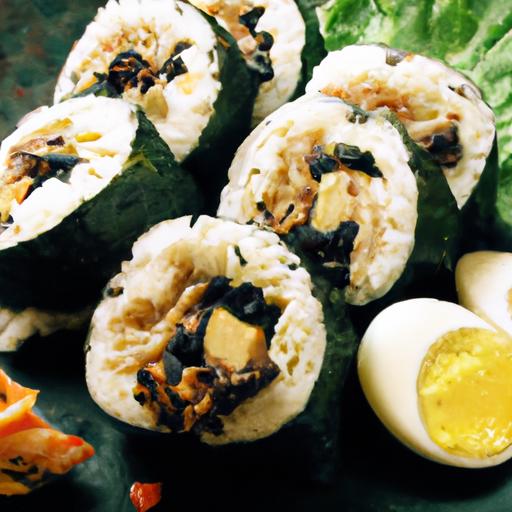
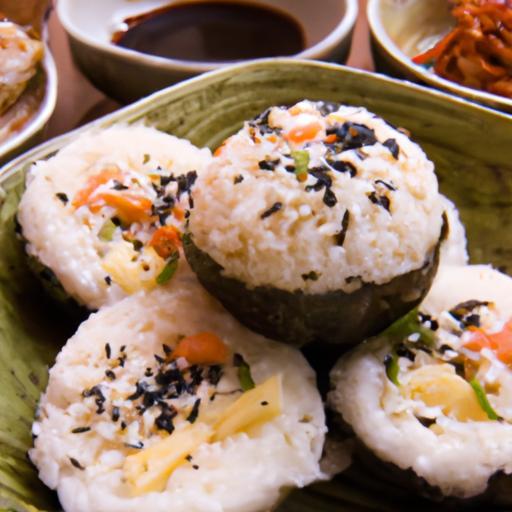
visually, arrange the rice balls on a ceramic plate, garnished with sliced scallions and toasted seaweed flakes. The contrasting white rice, deep green nori, and pops of orange from the kimchi create a feast for the eyes as well as the palate.
| Nutrient | Per Serving (1 Rice Ball) |
|---|---|
| Calories | 120 kcal |
| Protein | 3 g |
| carbohydrates | 22 g |
| Fat | 2.5 g |

For more inspiration on Korean dishes that complement jumeokbap, check out our guide to Korean banchan side dishes. To dive deeper into Korean culinary traditions, visit the korean Food Foundation for resources and authentic recipes.
Q&A
Q&A: Jumeokbap – Discover the Delight of Korean Rice Balls
Q1: What exactly is Jumeokbap?
A1: Jumeokbap (주먹밥) literally means ”fist rice” in Korean, referring to rice shaped into compact, bite-sized balls roughly the size of a clenched fist. These delightful rice balls are often mixed with flavorful ingredients like seasoned vegetables, seaweed, and sometimes meat or fish, making them a versatile and portable meal or snack.
Q2: How did jumeokbap become popular in Korean cuisine?
A2: Historically, Jumeokbap gained popularity as a practical, on-the-go food for laborers and soldiers. Its compact size and balanced nutrition made it an ideal portable meal before lunchboxes and convenience foods became widely available. Today, it’s cherished for its nostalgic charm and adaptability in contemporary Korean cuisine.
Q3: What ingredients typically go into Jumeokbap?
A3: The base is always steamed rice, but the magic lies in what you mix in! Common ingredients include finely chopped kimchi, sesame oil, seaweed flakes (gim), diced vegetables like carrots or cucumbers, and sometimes ground beef or tuna. Seasonings like soy sauce,garlic,and toasted sesame seeds elevate the flavor,giving each bite a savory,hearty punch.
Q4: how is Jumeokbap traditionally prepared?
A4: After cooking the rice, mix in your chosen fillings and seasonings while the rice is still warm to help everything meld together. Then,wet your hands with saltwater or sesame oil to prevent sticking and firmly shape the rice into balls or small patties. The goal is a compact shape that holds well but still feels soft and chewy.
Q5: can Jumeokbap be customized for different tastes or dietary preferences?
A5: Absolutely! Vegetarian or vegan versions can include mushrooms, pickled radish, or seasoned tofu. For a heartier meal, add cooked meat or seafood. The beauty of Jumeokbap is its flexibility-it’s a blank canvas inviting your culinary creativity while honoring tradition.
Q6: where and how is Jumeokbap typically enjoyed?
A6: Jumeokbap is a beloved snack for picnics,hikes,and lunchboxes. In Korea, you’ll often find street vendors selling them as quick, affordable bites wrapped in parchment or seaweed. At home,they’re a nostalgic comfort food and a crowd-pleaser for family gatherings or school lunches.
Q7: how can someone outside Korea experience the joy of Jumeokbap?
A7: Trying your hand at making Jumeokbap at home is a fantastic introduction! With just steamed rice and your preferred mix-ins, you can craft your own rice balls. Also,Korean restaurants or markets often feature Jumeokbap,offering an authentic taste of this humble,flavorful staple. Dive in and discover why these simple rice balls hold a special place in Korean hearts!
Q8: Why should food lovers explore Jumeokbap?
A8: Jumeokbap is a delicious embodiment of Korean culinary culture-simple yet satisfying, practical yet deeply flavorful. It offers a hands-on, sensory experience that connects you to tradition and invites endless experimentation. Whether as a snack or part of a meal, jumeokbap delights with every bite and warms the soul with its humble heritage.
To Conclude
As you tuck into the humble yet heartwarming jumeokbap, you’re not just enjoying a tasty bite-you’re savoring a tradition steeped in simplicity and flavor. These Korean rice balls, with their versatile fillings and hand-held convenience, remind us that sometimes the most delightful culinary experiences come in the smallest, most unassuming packages. Whether you’re a seasoned foodie or a curious newcomer, jumeokbap invites you to explore a delicious intersection of culture, comfort, and creativity-one perfectly packed rice ball at a time. So next time hunger strikes, reach for jumeokbap and discover a bite-sized treasure that’s as rich in history as it is indeed in taste.