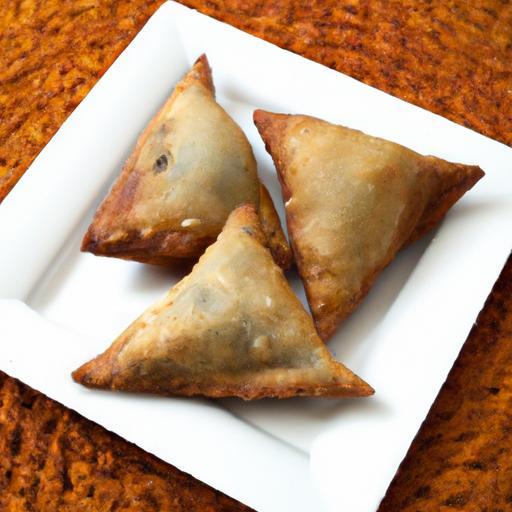
Crisp, golden, and bursting with layers of fragrant spices, Kenyan samosas are more than just a popular snack-they are a tasty bridge between cultures and centuries of culinary tradition. From bustling street corners too festive family gatherings, these savory pastries have woven themselves into the very fabric of Kenya’s vibrant food landscape. Embarking on a journey through the origins, ingredients, and evolving flavors of Kenyan samosas reveals not only a story of taste but also a party of heritage, creativity, and community. Join us as we unwrap the rich tapestry behind this beloved delicacy, one flavorful bite at a time.
Kenyan samosas are an irresistible delight that captures the vibrant spirit of Kenyan street food culture, blending aromatic spices and fresh ingredients into a crisp, golden pastry. These savory triangles have roots tracing back to Indian traders who settled along the Kenyan coast centuries ago, where the recipe evolved uniquely through local influences. Embracing both Swahili and Indian culinary traditions, Kenyan samosas are more than just snacks; they are a symbol of community gatherings, festive celebrations, and daily hustle that unites people with every flavorful bite.
Prep and Cook Time
- Preparation Time: 30 minutes
- Cooking Time: 20 minutes
- Total Time: 50 minutes
Yield
- Approximately 20 medium-sized samosas
Difficulty Level
- Medium – Ideal for cooks pleasant with folding and frying techniques
Ingredients
- For the Dough: 2 cups all-purpose flour,sifted
- 1/4 cup vegetable oil or melted ghee
- 1/2 teaspoon salt
- 3/4 cup warm water (adjust as needed)
- For the Filling: 300g minced beef or spiced potatoes (for vegetarian option),finely chopped
- 1 small onion,finely diced
- 2 cloves garlic,minced
- 1-inch piece of ginger,grated
- 1 small green chili,finely chopped (optional)
- 1/2 teaspoon ground cumin
- 1/2 teaspoon ground coriander
- 1/4 teaspoon turmeric powder
- 1/2 teaspoon garam masala
- 1/2 teaspoon paprika
- Salt to taste
- Fresh coriander leaves,chopped (a handful)
- Vegetable oil for deep frying
Instructions
- Prepare the Dough: In a large mixing bowl,combine the sifted flour and salt. Gradually add warm water and oil, mixing with yoru hands until a soft dough forms. Knead for about 7-10 minutes until smooth and elastic. Cover with a damp cloth and let it rest for 30 minutes.
- Make the Filling: Heat a tablespoon of oil in a skillet over medium heat. Add the diced onions and sauté until translucent, about 3-4 minutes.
- Flavor Base: Incorporate garlic, ginger, and green chili, stirring for another 2 minutes until fragrant.
- Add Spices: Sprinkle cumin, coriander, turmeric, garam masala, and paprika into the pan. Stir well to toast the spices slightly, about 30 seconds.
- Cook the Protein or Potatoes: Add the minced beef or cooked,smashed potatoes into the skillet. For beef, cook thoroughly until browned, about 7-8 minutes. Season with salt and fold in chopped coriander leaves.
- Cool the Filling: Transfer the filling to a bowl and allow it to cool for easier handling.
- Shape the Samosas: Divide the dough into 10 equal balls. Roll each ball into a thin oval or circle about 6 inches in diameter.
- Cut & Fill: Slice each rolled dough piece in half to form two semi-circles. Take one semi-circle, form a cone by folding the straight edge corners and sealing them with water or flour paste.
- Fill & Seal: Spoon 1½ tablespoons of the filling into each cone. Moisten the open edges and carefully pinch together to seal the samosa tightly, ensuring no gaps.
- Fry to Perfection: Heat vegetable oil in a deep frying pan to 350°F (175°C). Fry samosas in batches, turning occasionally, until golden brown and crisp, about 3-4 minutes per batch.
- Drain & Serve: Remove samosas with a slotted spoon and drain excess oil on paper towels. Serve hot.
Tips for Success
- For the crispiest pastry, use cold oil and adjust frying temperature to medium-high; overheating will burn the samosas before cooking the filling.
- Substitute minced beef with spiced lentils or mixed vegetables for a vegetarian version with equally hearty flavor.
- Make the dough a few hours ahead and refrigerate; allow it to reach room temperature before rolling to ease handle.
- Seal samosas tightly to prevent oil from seeping inside, using a mixture of water and flour as edible glue.
- Leftover samosas freeze well; reheat in the oven at 350°F (175°C) for 10 minutes to restore crunch.
Perfect pairings and Serving Suggestions
Kenyan samosas are best enjoyed straight from the fryer while still warm. Present them on a large, colorful platter and garnish with fresh coriander sprigs for a burst of green. Complement their bold flavor with tangy tamarind chutney or a cooling mint yogurt dip to balance the spices gracefully.
For celebratory meals or casual get-togethers, serve alongside fragrant Kenyan chai for an authentic taste experience. Incorporating crisp salad sides like kachumbari (a fresh tomato and onion salad) adds brightness and texture, elevating the snack into a vibrant feast.

| Nutrient | Per Samosa (approx.) |
|---|---|
| Calories | 140 kcal |
| Protein | 6 g |
| Carbohydrates | 15 g |
| Fat | 7 g |
Explore more authentic Kenyan dishes and street food inspirations by visiting our Kenyan cuisine collection. For a deep dive into the spice blends that make these samosas unforgettable, check out this detailed overview from Britannica’s Indian cuisine reference.
Q&A
Q&A: Kenyan Samosas – A Savory Pastry Journey of Flavor and Tradition
Q1: What makes Kenyan samosas distinct from other samosa varieties around the world?
A1: While samosas are beloved across many cultures, Kenyan samosas stand out due to their unique blend of spices and fillings influenced by the country’s diverse culinary heritage. Unlike the typically dry, spiced potatoes or lentils found in Indian samosas, Kenyan samosas often feature a juicy, aromatic combination of beef, chicken, or even fish, infused with local seasonings such as cardamom, coriander, and a hint of chili. The wrapper is especially thin and crispy, creating a satisfying crunch with every bite.
Q2: How did samosas become a popular snack in Kenya?
A2: Samosas arrived in Kenya through the Indian diaspora during the British colonial period. Over time, Kenyan cooks embraced and adapted the snack with local ingredients, melding South Asian flavors with East african tastes. Today, samosas are a ubiquitous street food, savored during tea time, festivals, and family gatherings, reflecting Kenya’s rich cultural tapestry.
Q3: What are the typical ingredients used in kenyan samosas?
A3: The foundation remains the thin pastry dough, made from flour, water, and a pinch of salt. Fillings vary but commonly include minced beef or chicken sautéed with onions, garlic, ginger, fresh herbs like cilantro, and spices such as turmeric, cumin, and cloves. Some versions add peas or grated carrots for texture, while vegetarian samosas are often stuffed with spiced lentils or potatoes, offering hearty options for all palates.
Q4: what role do samosas play in Kenyan social and cultural life?
A4: Samosas are more than just snacks-they’re a symbol of communal sharing and celebration. at weddings, religious festivities, and informal gatherings, offering samosas is a gesture of warmth and hospitality. They also serve as a unifying food that crosses ethnic and social lines, bringing people together over shared enjoyment of this beloved treat.
Q5: How can one best enjoy Kenyan samosas to fully appreciate their flavor?
A5: For a true taste experience, enjoy samosas hot and fresh from the fryer, accompanied by vibrant chutneys like tangy tamarind sauce or cooling mint yogurt dip.Pair them with a cup of Kenyan chai-spiced tea simmered with cinnamon and cloves-for a comforting and authentic snack break that captures the essence of Kenyan culinary tradition.
Q6: Are there any modern twists on Kenyan samosas that food enthusiasts are experimenting with?
A6: Absolutely! Contemporary chefs and home cooks are creatively reinventing samosas by incorporating fusion fillings-think spiced mushroom and feta,or curried seafood with coconut milk. Some are even baking rather of frying to create lighter versions without losing the iconic crunch. These innovations honor tradition while inviting new flavor adventures.
Kenyan samosas are a delicious testament to the country’s vibrant history and multicultural influences-a crispy, savory journey that invites every bite to tell a story of flavor, community, and tradition.
Closing Remarks
As the crisp layers of a kenyan samosa gently break away to reveal a treasure trove of spiced fillings, we are reminded that this humble pastry is far more than just a snack. It is a flavorful tapestry woven from threads of history, culture, and community-a delicious testament to Kenya’s rich culinary heritage. Whether enjoyed at bustling street markets or shared among friends and family,Kenyan samosas invite us on a savory journey that transcends borders and generations. So next time you bite into one of these golden triangles, savor not just the taste, but the stories they carry-each one a flavorful chapter in Kenya’s enduring tradition.