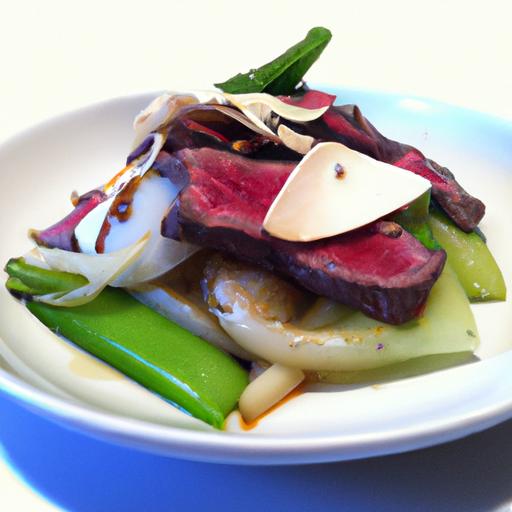
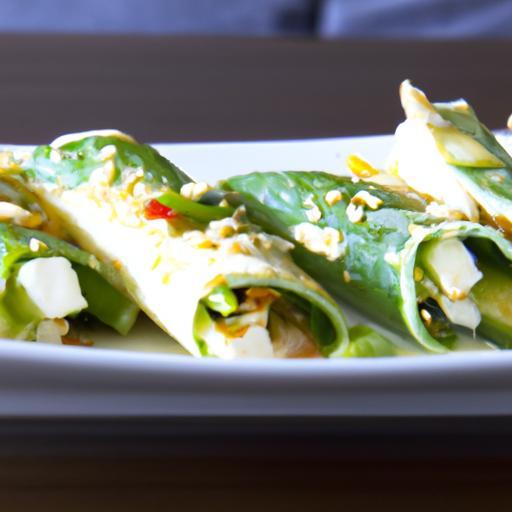
Nestled between tradition and innovation, Japanese cuisine has long captivated taste buds with its delicate balance of flavors and artful presentation. But beyond the sushi rolls and ramen bowls lies a lesser-known secret: a treasure trove of low-carb delights waiting to be uncovered. Welcome to the world of Keto Japanese, where classic dishes are reimagined through the lens of ketogenic principles, unlocking a fusion of health and heritage. In this exploration, we’ll journey through the Rising Sun’s culinary landscape, revealing how time-honored ingredients and techniques can inspire a vibrant, carb-conscious lifestyle without sacrificing an ounce of authentic flavor.Prepare to awaken your palate and rethink what it means to eat low-carb, the Japanese way.
Keto Japanese cuisine beautifully melds tradition with innovation, allowing those embracing low-carb lifestyles to enjoy flavors steeped in centuries of culinary heritage. This recipe showcases an inspired approach to crafting balanced meals with protein-rich seafood and vibrant veggies, offering an approachable gateway into the world of keto-friendly Japanese cooking. By thoughtfully substituting classic staples with healthful alternatives,you’ll experience a symphony of umami and freshness without sacrificing your dietary goals.
Prep and Cook Time
- readiness: 20 minutes
- Cooking: 15 minutes
- Total time: 35 minutes
Yield
- Serves 4 elegantly portioned meals
Difficulty Level
- Medium – perfect for adventurous cooks ready to explore authentic flavors with a low-carb twist
Ingredients
- For the protein & Veggie Base:
- 12 oz sashimi-grade salmon, cut into bite-sized cubes
- 1 cup finely shredded daikon radish
- 1 medium avocado, diced
- 1 cup blanched baby spinach
- ½ cup thinly sliced shiitake mushrooms
- 2 tablespoons toasted sesame seeds
- For the Keto Sushi Rice Substitute:
- 1 ½ cups riced cauliflower (finely chopped in food processor)
- 2 teaspoons rice vinegar (unseasoned)
- ½ teaspoon erythritol or monk fruit sweetener
- 1 teaspoon sea salt
- For the Flavorful Keto Miso Sauce:
- 3 tablespoons white miso paste
- 2 tablespoons coconut aminos (soy sauce alternative)
- 1 tablespoon toasted sesame oil
- 1 teaspoon fresh grated ginger
- 1 teaspoon lemon juice
- 1 tablespoon finely chopped green onion
Instructions
- prepare the Keto Sushi Rice: In a dry skillet over medium heat, toast the riced cauliflower for approximately 5 minutes until just tender, stirring frequently to avoid burning. Remove from heat and gently mix in the rice vinegar, erythritol, and sea salt. Set aside to cool slightly.
- Cook the Shiitake Mushrooms: In a separate pan, heat 1 teaspoon of sesame oil over medium heat. Sauté the shiitake slices until golden and fragrant,about 4 minutes. Set aside.
- Mix the Miso Sauce: In a small bowl, whisk together white miso paste, coconut aminos, toasted sesame oil, ginger, and lemon juice until smooth. Garnish with freshly chopped green onion.
- Assemble the Bowl: Divide the keto sushi rice substitute evenly among four bowls. Arrange cubed salmon, shredded daikon, avocado, baby spinach, and sautéed shiitake mushrooms on top in an eye-pleasing mosaic.
- Drizzle and Garnish: Pour the miso dressing generously over each bowl. Sprinkle toasted sesame seeds and extra green onions to finish. Serve instantly for maximum freshness and flavor.
Chef’s Notes
- For a vegetarian version, swap salmon for firm tofu or marinated king oyster mushrooms.
- To enhance the umami, add a soft-boiled egg or a sprinkle of bonito flakes (skip for strict keto).
- Make the keto sushi rice in advance and store airtight for up to one day, reheat gently in a pan to restore texture.
- Adjust the sweetness in the rice substitute to your preference, balancing between the vinegar’s tang and sweetener’s subtlety.
Serving Suggestions
- Serve this dish with a chilled cup of green tea or sparkling water infused with yuzu zest to brighten the palate.
- Offer optional sides of pickled ginger and wasabi to add an authentic Japanese touch without excess carbs.
- Present in shallow lacquered bowls to highlight the vibrant colors and textures, emphasizing the modern keto twist on tradition.
| Nutrient | Per Serving |
|---|---|
| Calories | 345 kcal |
| Protein | 28 g |
| Carbohydrates | 7 g net |
| Fat | 22 g |
Explore more keto-friendly japanese recipes to deepen your culinary adventures while keeping low-carb. For further inspiration, don’t miss our detailed guide on crafting flavorful keto sauces from Japan to elevate every meal.

Q&A
Q&A: Keto Japanese – Unlocking the Low-Carb Secrets of Rising Sun Cuisine
Q1: What exactly is “Keto Japanese” cuisine?
A1: keto Japanese is a delicious fusion of traditional Japanese dishes reimagined to fit a ketogenic, low-carb lifestyle. It’s about embracing the flavors of Japan-like fresh seafood, umami broths, and vibrant vegetables-while swapping out high-carb ingredients like rice, noodles, and sugar. Think sashimi, miso soup, and nori-wrapped delights that fuel your body with fats and proteins instead of carbs.
Q2: How does Japanese cuisine naturally lend itself to a keto diet?
A2: Japanese cuisine inherently values fresh fish, seaweed, tofu, and fermented foods-all keto-friendly staples. Many dishes are built around proteins and vegetables rather than heavy starches. Such as, sashimi is pure protein, miso soup features nutrient-dense broth, and pickled vegetables add flavor without carbs. The careful balance and minimal use of heavy sauces make it a perfect playground for keto adaptation.Q3: What are some traditional Japanese foods that are keto-approved?
A3: Sashimi and sushi without rice (like sashimi bowls or “naruto rolls” wrapped in cucumber), grilled fish (yakizakana), tamagoyaki (egg omelet), miso soup, chawanmushi (savory egg custard), and seaweed salads are all keto-friendly picks. Edamame is a great low-carb snack, and fermented delicacies like pickled ginger and natto bring probiotics to the table.
Q4: how can one replace high-carb staples like rice and noodles in Japanese dishes?
A4: Keto Japanese innovators replace rice with cauliflower rice or shirataki noodles, which have minimal carbs and mimic the texture of traditional staples.Nori sheets are perfect for low-carb wraps, and konnyaku (a jelly-like root vegetable) is a fantastic substitute for noodles. These swaps maintain the essence of japanese cuisine without triggering carb cravings.
Q5: Are traditional Japanese sauces and condiments keto-friendly?
A5: Many are, but with caution. Soy sauce is generally low in carbs but watch for added sugars in some brands.Tamari, a gluten-free soy sauce, is a great option. Miso paste adds rich umami flavor with minimal carbs. However, teriyaki and eel sauces often contain sugary glaze and should be avoided or homemade with keto-friendly sweeteners.
Q6: What health benefits does adopting a Keto Japanese diet offer?
A6: Combining the principles of the ketogenic diet with Japanese culinary traditions can boost metabolism, improve mental clarity, and support weight management. The omega-3 rich seafood promotes heart and brain health, while fermented foods enhance gut microbiome diversity. The diet’s focus on whole, unprocessed ingredients mirrors Japan’s celebrated longevity secrets.
Q7: Can Keto Japanese cuisine satisfy sushi lovers?
A7: Absolutely! With inventive twists-like “sushi” rolls wrapped in cucumber or nori,stuffed with avocado,fresh fish,and cream cheese-sushi cravings are easily conquered. Nigiri can be enjoyed by simply omitting rice and savoring the fish atop crispy vegetable “beds.” The key is to focus on fresh, high-quality ingredients and creative carb swaps.Q8: How can someone start incorporating Keto Japanese dishes into their meal plan?
A8: Begin by familiarizing yourself with staple ingredients like daikon, shiitake mushrooms, nori, shirataki noodles, and fresh fish. Experiment with simple recipes like miso soup without dashi stock that includes sugary mirin, sashimi salads, and keto-friendly tamagoyaki. Online communities and keto Japanese cookbooks are treasure troves of inspiration to make your journey flavorful and fun.
Q9: What makes Keto Japanese a unique culinary experience?
A9: It’s a harmonious marriage of tradition and innovation,where centuries-old flavors meet modern dietary wisdom. Keto Japanese cuisine celebrates the elegance of simplicity-letting natural tastes shine while fostering health and longevity. It’s not just a diet; it’s a cultural immersion on a low-carb canvas.
Unlock the secrets of the Rising Sun with Keto Japanese-a culinary adventure that nourishes the body and delights the senses without the carb overload. Ready to dive in? Your keto sushi dream awaits!
Insights and conclusions
As the delicate balance of flavors in japanese cuisine meets the meticulous science of keto, a new culinary frontier emerges-one that honors tradition while embracing modern wellness. Unlocking the low-carb secrets of the Rising Sun not only broadens our palate but also invites us to rethink what it means to enjoy food that nourishes both body and soul.Whether you’re rolling sushi without rice or savoring umami-rich broths, Keto Japanese offers a harmonious blend of health and heritage, proving that mindful eating can be as artful as it is satisfying. So, step into this vibrant fusion and let your taste buds embark on a journey where ancient flavors and contemporary nutrition unite in perfect harmony.