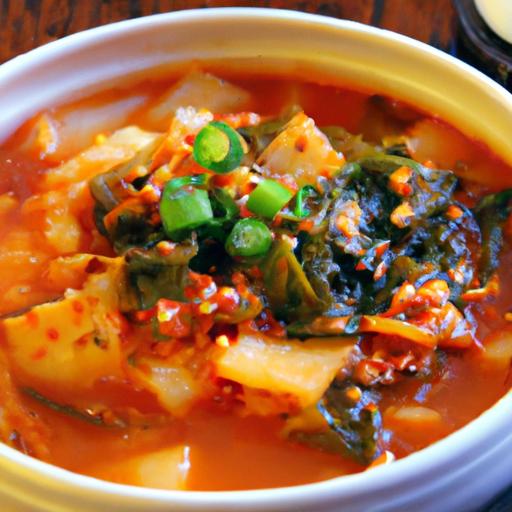
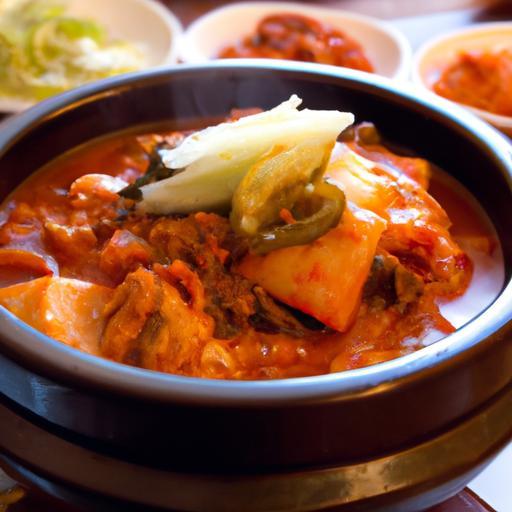
When the chill of winter seeps into your bones or when you simply crave a bowl of comfort that transcends ordinary stew, Kimchi Jjigae emerges as Korea’s steadfast answer. This vibrant, bubbling pot of goodness is more than just a meal-it’s a warm embrace steeped in centuries of tradition, fermenting the rich flavors of kimchi, tender pork, tofu, and a medley of spices into a hearty harmony. In “Savor the Warmth: Exploring Kimchi Jjigae, Korea’s Classic Stew,” we delve into the history, cultural importance, and the irresistible taste that makes this fiery stew a beloved staple across Korean households and a global culinary treasure. Join us on a flavorful journey that invites you to experience not just a dish, but a story simmering with warmth, resilience, and zest.
Savor the warmth of Korean tradition with kimchi jjigae, a stew that beautifully balances tangy, spicy, and umami flavors to create a soul-nourishing meal. This beloved stew traces its roots to humble Korean kitchens where aged kimchi and simple pantry staples transform into a comforting masterpiece. Personally,my first taste of kimchi jjigae during a chilly Seoul winter remains unforgettable-the rich aroma of fermented kimchi mingling with rich pork broth instantly wrapped me in a cozy embrace.
Prep and Cook Time
- Preparation: 15 minutes
- Cooking: 45 minutes
- Total: 1 hour
Yield
Serves 4 generously.
Difficulty Level
Medium – perfect for home cooks looking to deepen their Korean culinary skills.
Ingredients
- 2 cups aged kimchi, chopped with juice
- 200g pork belly, sliced into ½-inch strips
- 1 medium onion, thinly sliced
- 3 cloves garlic, minced
- 1-inch piece ginger, finely grated
- 1 green chili, sliced (optional for heat)
- 1 tablespoon Korean red pepper flakes (gochugaru)
- 1 tablespoon Korean fermented soybean paste (doenjang)
- 1 tablespoon soy sauce
- 4 cups anchovy broth (or water)
- 150g tofu, firm, cut into cubes
- 2 scallions, cut diagonally
- 1 teaspoon sesame oil
- Cooked white rice, to serve
instructions
- Prepare the broth: Simmer dried anchovies and kelp in 4 cups water for 15 minutes. Remove solids before using. (Store-bought broth works too.)
- Sauté pork belly: In a heavy-bottomed pot, heat sesame oil over medium heat. Add pork belly strips and sauté until golden and slightly crispy, about 5-7 minutes. This renders flavorful fat that’s key to the stew’s richness.
- Add aromatics: Toss in minced garlic, grated ginger, and sliced onion. Stir well, cooking until onions soften and fragrance fills the air-about 3 minutes.
- Incorporate kimchi and spices: Add chopped kimchi with its juice, stirring to combine. Sprinkle in gochugaru and doenjang, stirring thoroughly for an even flavor base. Cook for 5 minutes to meld the ingredients.
- Pour in broth: Slowly add the anchovy broth, bring the pot to a vigorous boil, then reduce heat to maintain a gentle simmer.
- Season and simmer: Stir in soy sauce and sliced green chili if using. Cover loosely and simmer for 30 minutes, allowing the flavors to deepen and the pork to tenderize beautifully.
- Add tofu and scallions: Gently place tofu cubes into the stew and sprinkle the scallions on top. Simmer an additional 5 minutes to warm through without breaking the tofu’s soft texture.
- Final taste and adjust: Taste the stew and add salt or an extra splash of soy sauce as needed. Serve piping hot with steamed white rice.
Tips for Success
- Choosing kimchi: Use well-fermented, sour kimchi for authentic depth.Fresher kimchi will yield a milder stew.
- Pork belly alternatives: Pork shoulder or ribs work well if you prefer leaner cuts. Chicken or tuna can create tasty variations.
- Boosting umami: A splash of fish sauce can elevate savory notes if your broth is light.
- Make-ahead: Like many stews, kimchi jjigae improves after resting overnight. Reheat gently and enjoy the intensified savoriness.
- For a thicker stew: Mash some kimchi pieces or simmer uncovered the last 10 minutes.
Serving Suggestions
Kimchi jjigae shines best in a rustic earthenware pot to retain heat and enhance presentation.Garnish with finely sliced scallions or toasted sesame seeds for a visual pop and added texture. Pair it with simple side dishes like steamed rice, pan-fried kimchi pancakes, or pickled radishes to round out a genuinely comforting Korean feast.

| Nutrient | Per serving |
|---|---|
| Calories | 320 kcal |
| Protein | 18 g |
| Carbohydrates | 12 g |
| Fat | 22 g |
For a deeper dive into Korean stews and soul food recipes, explore our Ultimate Guide to Korean Stews. To understand more about kimchi’s rich fermentation process,visit korean Bapsang’s Kimchi Fundamentals.
Q&A
Q&A: savor the Warmth - Exploring Kimchi jjigae, Korea’s Classic Stew
Q1: What is Kimchi Jjigae, and why is it so beloved in korean cuisine?
A1: Kimchi Jjigae is a hearty, bubbling stew centered around kimchi-the world-famous fermented cabbage that’s tangy, spicy, and deeply flavorful.This stew is a comforting staple in Korean households, cherished for its robust taste, warming qualities, and ability to transform humble ingredients into a soul-soothing dish. It embodies the perfect marriage of sour, spicy, and umami flavors that define Korean cooking.
Q2: how did Kimchi Jjigae become a classic dish in Korea?
A2: Its roots run deep in Korean history,emerging as a practical solution to use overripe kimchi before it went to waste. Rather than discard sour kimchi, Koreans would simmer it with savory broth, tofu, pork, or seafood, creating a rich stew that’s both economical and nourishing. Over generations, it evolved from a humble everyday meal to a beloved comfort food symbolizing warmth and togetherness.
Q3: What are the essential ingredients that make Kimchi Jjigae so flavorful?
A3: At the heart of Kimchi Jjigae lies well-fermented kimchi, which brings tanginess and spice. Alongside, you’ll find pork belly or tuna for richness, tofu for silky texture, and green onions and garlic to build depth. A splash of sesame oil and a spoonful of gochujang (korean chili paste) often join the party, enhancing heat and complexity. The interplay of these layers creates a stew that’s together fiery, savory, and comforting.
Q4: Can Kimchi Jjigae be customized, or is there a ”right” way to make it?
A4: One of the stew’s joys is its flexibility! Though classic recipes often rely on pork and aged kimchi, you can easily swap proteins-like seafood, beef, or keep it vegetarian with mushrooms-and adjust the spice level to taste.Each household and region in Korea brings its own spin, resulting in countless tasty variations. The key is to balance bold flavors and simmer slowly to extract maximum warmth.
Q5: How is Kimchi Jjigae traditionally served and enjoyed?
A5: Kimchi Jjigae is typically served hot and bubbling in a stone pot, accompanied by steaming white rice and an array of banchan (side dishes). It’s often eaten communally, with everyone helping themselves straight from the pot, making each meal a shared experience. The comforting heat and rich aroma invite relaxation, perfect for chilly days or when craving a hearty, heartwarming bite.
Q6: Why should people outside Korea try Kimchi Jjigae?
A6: Beyond its delicious taste,Kimchi Jjigae offers a window into Korean culture and culinary beliefs-the art of fermentation,balance,and community eating. It’s more than just food; it’s a story of tradition, resilience, and flavor that invites you to experience warmth both in your stomach and your soul. For anyone seeking to explore korean cuisine or simply enjoy an unforgettable stew, Kimchi Jjigae is an inviting, unforgettable dish to savor.
In Retrospect
As the steam rises from a bubbling pot of kimchi jjigae, it carries with it more than just the fragrant aroma of spices and fermented goodness-it whispers stories of Korean kitchens, family gatherings, and generations of culinary tradition. This classic stew, with its harmonious blend of tangy kimchi, tender meats, and rich broth, invites you not only to savor its warmth but also to immerse yourself in a vibrant culture that celebrates comfort, resilience, and flavor. Whether you’re a seasoned foodie or a curious newcomer, exploring kimchi jjigae is a delicious step into Korea’s heart, one spoonful at a time. So next time the chill creeps in, let this iconic stew wrap you in its cozy embrace, reminding you that sometimes, the best warmth comes from a bowl steeped in history and love.