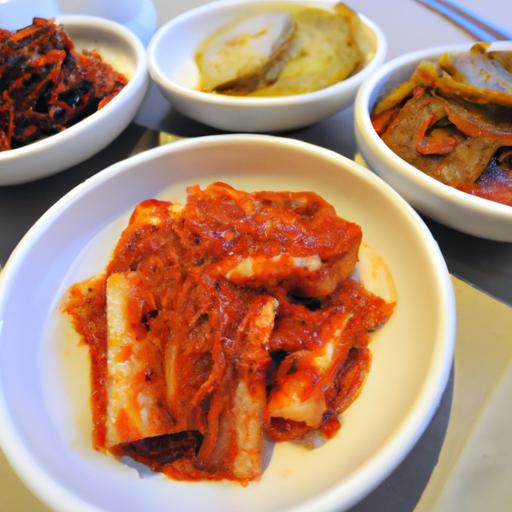
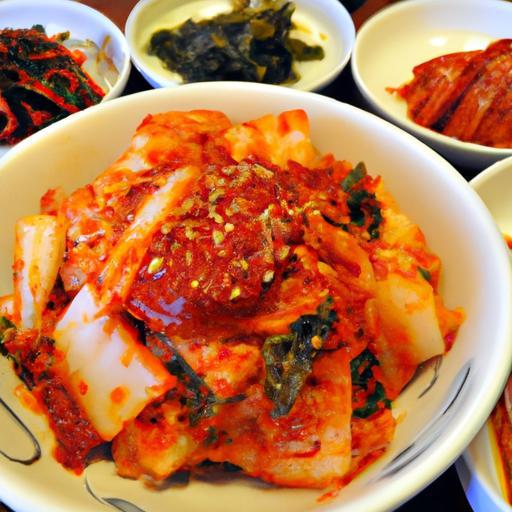
Kimchi Recipes are the heart of Korean culinary heritage, and Authentic Korean Kimchi Recipes showcase centuries of tradition, fermentation mastery, and bold flavor. Kimchi Recipes go far beyond a simple side dish, as Authentic Korean Kimchi Recipes represent culture, health, and craftsmanship combined. From napa cabbage to radish variations, Kimchi Recipes rely on time-honored methods that define Authentic Korean Kimchi Recipes and preserve their unmistakable spicy, tangy character. Exploring Kimchi Recipes allows home cooks to recreate Authentic Korean Kimchi Recipes that nourish the body while honoring Korea’s rich food legacy.
Authentic Korean Kimchi Recipes invite you to experience Kimchi Recipes as living foods shaped by patience and precision. Every step in Kimchi Recipes—from salting to fermenting—reflects the soul of Authentic Korean Kimchi Recipes passed down through generations. By mastering Kimchi Recipes, you unlock the essence of Authentic Korean Kimchi Recipes that elevate everyday meals with depth, probiotics, and unmistakable flavor. Whether you are new or experienced, Kimchi Recipes remain the gateway to perfecting Authentic Korean Kimchi Recipes at home.
Prep and Cook time
- Readiness: 40 minutes
- Fermentation: 3-7 days (room temperature), plus storage
- Total Time: 4 days minimum
Yield
Approximately 1 quart of kimchi, serving 4-6 as a side dish
Difficulty Level
Medium – Requires attention to detail and fermentation patience, but fully achievable for adventurous home cooks
Essential Ingredients
- 1 large Napa cabbage (about 2-3 pounds), halved and quartered
- 1/2 cup coarse sea salt (non-iodized, for salting cabbage)
- 3 cups cold water
- 1 medium daikon radish, peeled and julienned
- 4 scallions, sliced diagonally
- 5 cloves garlic, finely minced
- 1 tablespoon ginger, freshly grated
- 3 tablespoons Korean red pepper flakes (gochugaru, adjust for spice level)
- 2 teaspoons fish sauce (or soy sauce for vegetarian option)
- 1 teaspoon sugar
- 1/2 cup water (for mixing the kimchi paste)
Essential Tools
- Large mixing bowl
- colander or strainer
- Gloves (preferably disposable) to protect skin from chili irritation
- Fermentation jar or airtight container (1-quart size)
- sharp knife and cutting board
- Spoon or spatula for mixing
Step-by-Step Guide to Classic Napa Cabbage Kimchi
- Prepare the cabbage: Rinse the Napa cabbage and slice it lengthwise into quarters. Dissolve the salt in cold water, submerge the cabbage pieces in the brine, and let soak for 2 hours, flipping halfway to ensure even salting. This step softens the cabbage and draws out moisture.
- Rinse and drain: After brining, rinse the cabbage thoroughly under cold water 2-3 times to remove excess salt. drain well in a colander for 20 minutes.
- Make the kimchi paste: In a bowl, combine minced garlic, grated ginger, sugar, fish sauce, and gochugaru with 1/2 cup water. Stir until the paste is uniform-adjust the chili flakes for desired spiciness. this mix infuses the signature fiery, umami flavors.
- Add vegetables: Toss the julienned daikon and sliced scallions into the spicy paste. Wearing gloves, gently massage the sauce into the cabbage leaves, ensuring every corner is coated but not bruised.This distributes the flavors evenly and kickstarts fermentation.
- Pack the jar: Press the kimchi mixture firmly into your fermentation container,eliminating air pockets. Leave about an inch of space at the top for expansion during fermentation.
- Ferment: Close the lid loosely or cover with a breathable cloth and set at room temperature (65-72°F) for 3 to 7 days. Taste daily-when it reaches your preferred tanginess, seal it tightly and refrigerate to slow fermentation.
Tips for Success
- Salt type is key: Use coarse sea salt without iodine to avoid bitterness and ensure proper fermentation.
- Fermentation timing: Warmer climates speed up fermentation-check flavor frequently to avoid over-fermenting.
- Gloves protect hands: The chili flakes can cause irritation; always use gloves when mixing.
- Vegetarian option: Replace fish sauce with tamari or soy sauce without compromising depth.
- Make ahead: Kimchi matures beautifully; flavor improves over time, so consider making it a week in advance.
Serving Suggestions
Serve kimchi as a vibrant side that enlivens any Korean meal-think bibimbap, grilled meats, or comforting stews. For a fresh take, chop and mix kimchi into fried rice or scrambled eggs. Garnish with toasted sesame seeds and thinly sliced scallions to add contrast and crunch.Its bright red hue and bold aroma make it a visual and sensory delight on any table.

Nutritional Facts (Per 1/4 cup serving)
| Calories | Protein | Carbs | Fat |
|---|---|---|---|
| 25 kcal | 1 g | 4 g | 0 g |
For a deeper dive into the cultural richness and variations of kimchi, you can explore our guide on Korean fermented foods or visit Korean Food Foundation for authentic background and recipes.
Q&A
Q&A: Unlock the Secrets – Authentic Korean Kimchi Recipes to Try Today
Q1: What makes Korean kimchi so special compared to other fermented foods?
A1: Kimchi isn’t just a side dish-it’s a vibrant celebration of Korean culture and history, brimming with bold flavors and probiotic goodness. Unlike generic fermented foods, authentic Korean kimchi bursts with a harmonious blend of spicy, tangy, and umami notes, achieved through traditional ingredients like napa cabbage, gochugaru (Korean chili flakes), garlic, ginger, and fermented seafood. It’s a living, breathing dish that evolves with time, embodying both simplicity and complexity in each bite.
Q2: What are the essential ingredients for making authentic Korean kimchi?
A2: The heart of authentic kimchi lies in fresh napa cabbage and coarse sea salt for brining. The magic kick comes from gochugaru (Korean chili powder),giving it that signature fiery red hue. Add minced garlic, grated ginger, scallions, fish sauce or fermented shrimp for depth, and a touch of sugar to balance the flavors.Some recipes incorporate Korean radish for added crunch.Each element plays a vital role, creating the perfect symphony of taste and texture.
Q3: Can I make authentic kimchi at home without specialized ingredients?
A3: Absolutely! while certain ingredients like gochugaru might seem exotic, many Asian markets stock them, and online stores are havens for kimchi essentials. If you’re adventurous, you can substitute with smoked paprika for mild heat, and miso for umami depth. The key lies in balancing saltiness,heat,sweetness,and fermentation time. Homemade kimchi rewards patience with a personalized tang that store-bought versions can’t match.
Q4: How long does it take to ferment kimchi, and how does fermentation affect flavor?
A4: Fermentation is where the alchemy happens-transforming fresh veggies into tangy, complex kimchi rich in probiotics. Typically, kimchi ferments at room temperature for 1-2 days before being refrigerated. The longer it ferments, the sharper and more pungent it becomes. Early-stage kimchi offers a crunchy, fresh taste; prolonged fermentation yields a softer, sour punch. It’s all about your flavor preference and patience.
Q5: What are some fun ways to enjoy kimchi besides eating it as a side dish?
A5: Kimchi’s versatility shines beyond the classic banchan role. spice up your fried rice or noodle bowls with chopped kimchi for bursts of zest. Toss it into pancakes (kimchi jeon) or stews (kimchi jjigae) to add warmth and depth. For the daring, blend it into dips or grilled cheese sandwiches.Kimchi is a flavor powerhouse ready to elevate everyday dishes into extraordinary experiences.
Q6: Any tips to ensure a accomplished kimchi fermentation?
A6: Start with clean hands and utensils-this prevents unwanted bacteria from spoiling your batch. Use fresh ingredients and salt generously during brining to draw out moisture and create the perfect surroundings for beneficial microbes. Pack your kimchi tightly into an airtight container,leaving space for gases to escape,and store it in a cool spot or fridge. Don’t forget to “burp” your jar daily to release pressure. With a little love and attention, your kimchi will thrive!
Unlocking the secrets of authentic Korean kimchi is a journey into flavor, tradition, and culture that anyone can embark on today. Ready to get your hands salty and taste buds tingling? Your kimchi adventure awaits!
To Wrap It Up
As you embark on your kimchi-making journey, remember that each jar holds more than just fermented vegetables-it preserves centuries of Korean heritage, culture, and flavor. With these authentic recipes in hand, you’re not just creating a side dish; you’re unlocking a vibrant world of tangy, spicy, and umami-packed goodness that can transform any meal. so roll up your sleeves,embrace the art of fermentation,and let your kitchen become a gateway to Korea’s culinary secrets. Your taste buds (and your health) will thank you for it. Happy fermenting!