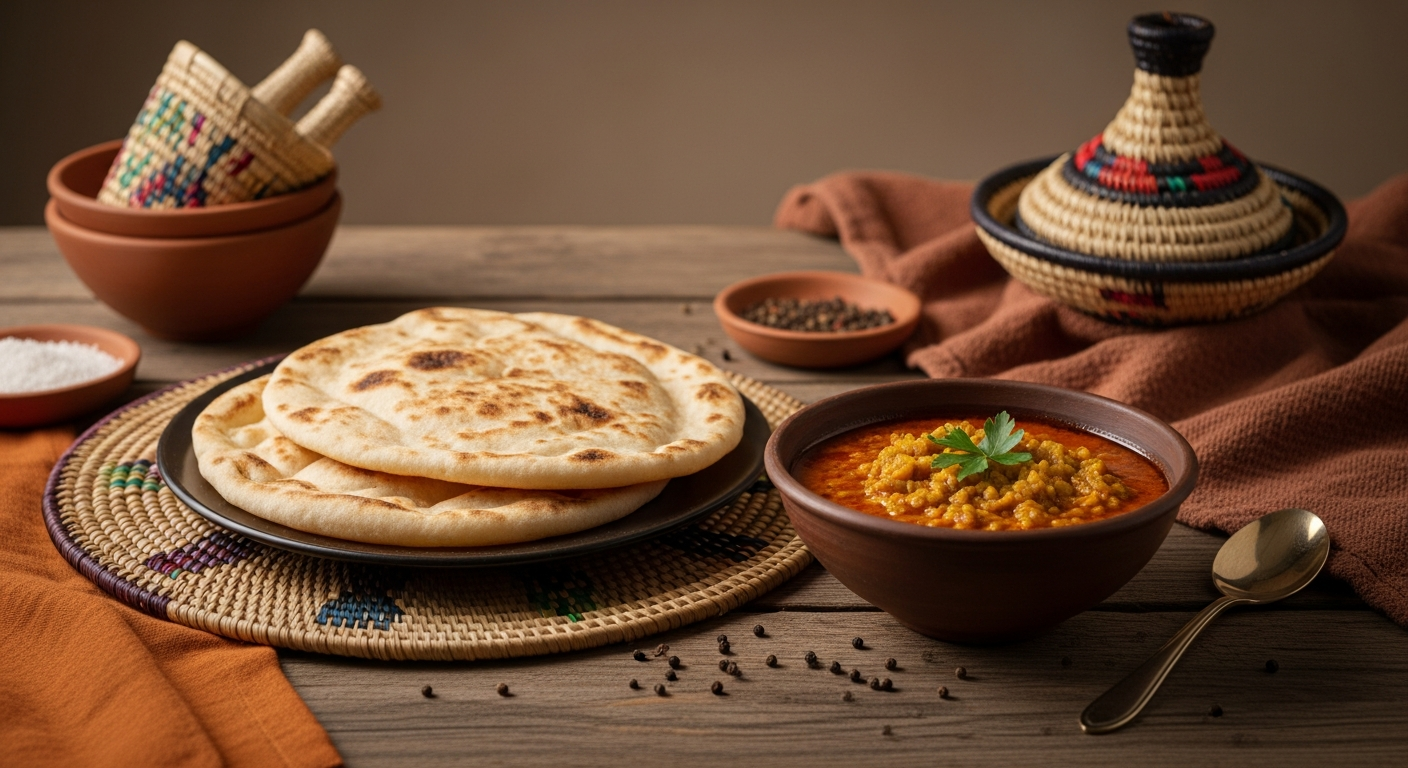
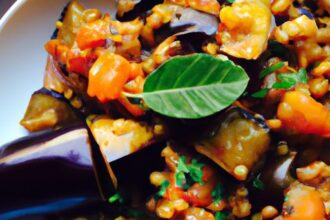
Nestled along the banks of the Blue and White Nile, Sudan is a land where ancient rivers carve through time, weaving stories of culture, heritage, and culinary artistry. Among its many treasures, the art of Kisra and Mulah stands as a vibrant testament to Sudanese tradition-a harmonious blend of simple ingredients transformed into soulful sustenance. Kisra, a delicate fermented flatbread, and Mulah, a rich, flavorful stew, together compose more than just a meal; they embody centuries of communal rituals, family gatherings, and the enduring spirit of a people. In this exploration, we uncover the fascinating history, craftsmanship, and cultural significance behind these beloved staples, inviting you to savor the essence of Sudan through its most cherished culinary art forms.
Discovering Sudan: The Art of Kisra and Mulah Traditions unveils a culinary journey deeply rooted in Sudanese culture, where every bite connects you with generations of heritage. Kisra, the thin, fermented sorghum flatbread, pairs harmoniously with Mulah, a richly spiced stew that varies uniquely across regions. together, they represent more than sustenance-they embody community, tradition, and the rhythm of daily life in Sudan.
•Prép and Cook Time
- Planning: 12 hours (including fermentation)
- Active Cooking Time: 30 minutes for Kisra,1 hour for Mulah
- Total Time: Approximately 13 hours,best started the night before
Yield
Serves 4-6 people
difficulty Level
Medium (requires fermentation patience and multi-step preparation)
Ingredients
- For Kisra:
- 2 cups sorghum flour,sifted
- 3 cups lukewarm water
- Pinch of salt
- For mulah:
- 1 lb beef or lamb,cut into cubes
- 2 tablespoons vegetable oil or ghee
- 1 large onion,finely chopped
- 3 garlic cloves,minced
- 2 tablespoons berbere spice mix or Sudanese spice blend
- 1 can (14 oz) crushed tomatoes
- 1 cup water or beef broth
- 1 tablespoon ground fenugreek (helba)
- Salt and black pepper,to taste
- Fresh coriander leaves,chopped (for garnish)
•Instructions
- Prepare the Kisra batter: In a large bowl,combine the sorghum flour and lukewarm water. Whisk thoroughly untill a smooth,thin batter forms. Cover the bowl with a clean cloth and leave it at room temperature for 10-12 hours to ferment. The batter will bubble and develop a slightly sour aroma.
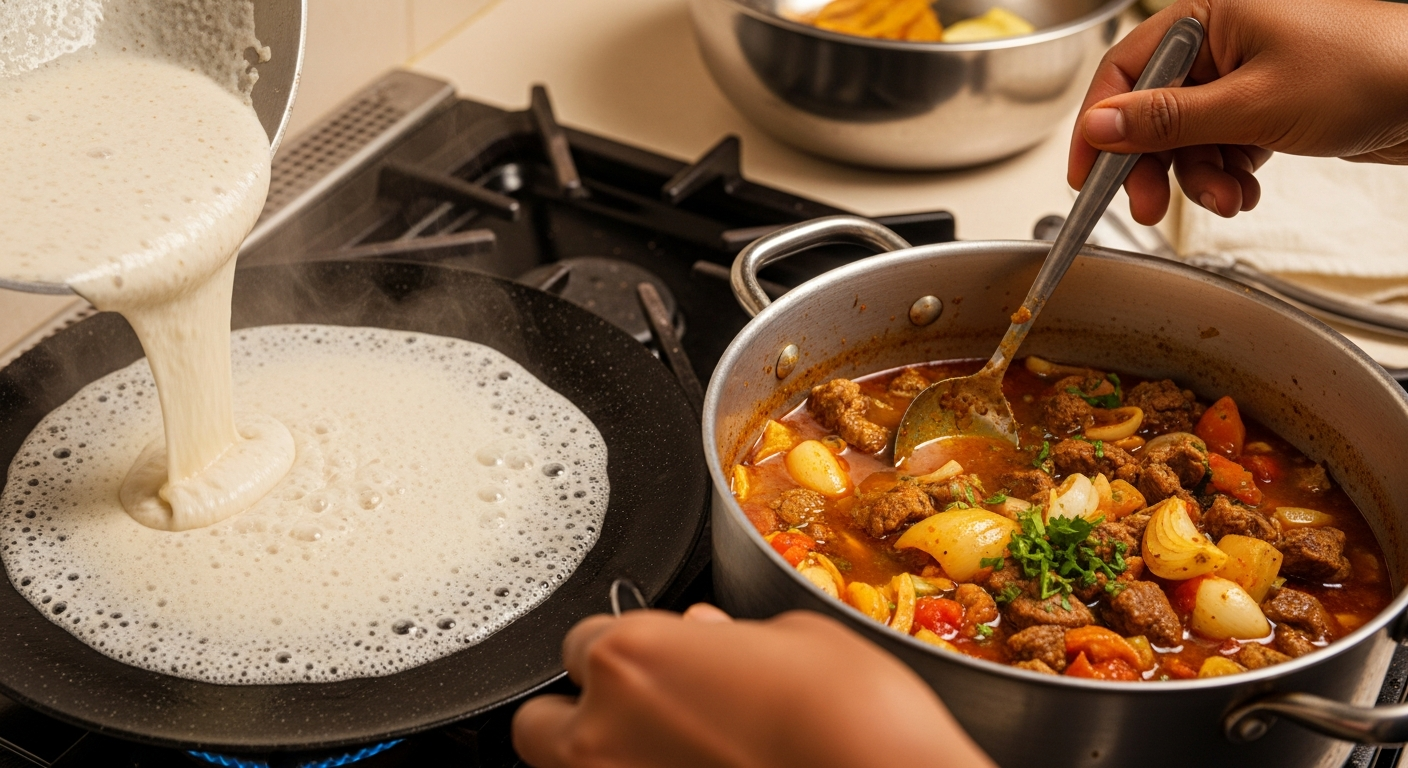
- Cook Kisra: heat a non-stick skillet or traditional clay griddle over medium heat. Lightly grease with a tiny amount of oil. Pour a ladleful of the fermented batter onto the hot pan, tilting it to spread evenly into a thin circle about 8 inches in diameter. Cook for 1-2 minutes until the surface dries and bubbles, then carefully peel off the Kisra and stack on a plate. Do not flip; Kisra is cooked only on one side. Repeat with remaining batter.
- Start Mulah base: In a heavy pot,heat the vegetable oil or ghee over medium heat. Add the chopped onions and sauté until translucent and golden, about 7 minutes, stirring frequently.
- Add aromatics and meat: Stir in the minced garlic and spice blend (berbere or Sudanese spices). Cook for 1 minute until fragrant. Add the meat cubes, stirring to brown evenly on all sides, about 5 minutes.
- Simmer the stew: Pour in the crushed tomatoes and water or beef broth. Sprinkle in the ground fenugreek, salt, and black pepper. Bring the stew to a boil, then reduce heat to low. Cover and let it simmer gently for 45 minutes to 1 hour, or until the meat becomes tender and the flavors meld.
- Adjust seasoning and finish: Taste for seasoning, adding more salt or spice if desired. Stir occasionally to prevent sticking. Just before serving, sprinkle with chopped coriander leaves for fresh brightness.
•Tips for Success
- Fermentation: The key to authentic Kisra lies in the fermentation-ensure the batter is bubbly and slightly sour before cooking for a tender texture and delightful tang.
- Substitutions: If sorghum flour is unavailable, you can experiment with teff or millet flour, though flavor and texture will subtly change.
- Mulah variations: Try replacing beef with lamb, chicken, or even vegetables for different regional takes. Adding okra or dried lime can enhance authenticity.
- Make ahead: Kisra can be cooked and refrigerated for up to 2 days; reheat gently in a dry pan to refresh. Mulah tastes even better the next day after flavors deepen.
- Cooking vessel: Traditional mud griddles impart subtle smoky notes to Kisra, but non-stick pans work perfectly for home kitchens.
•Serving Suggestions
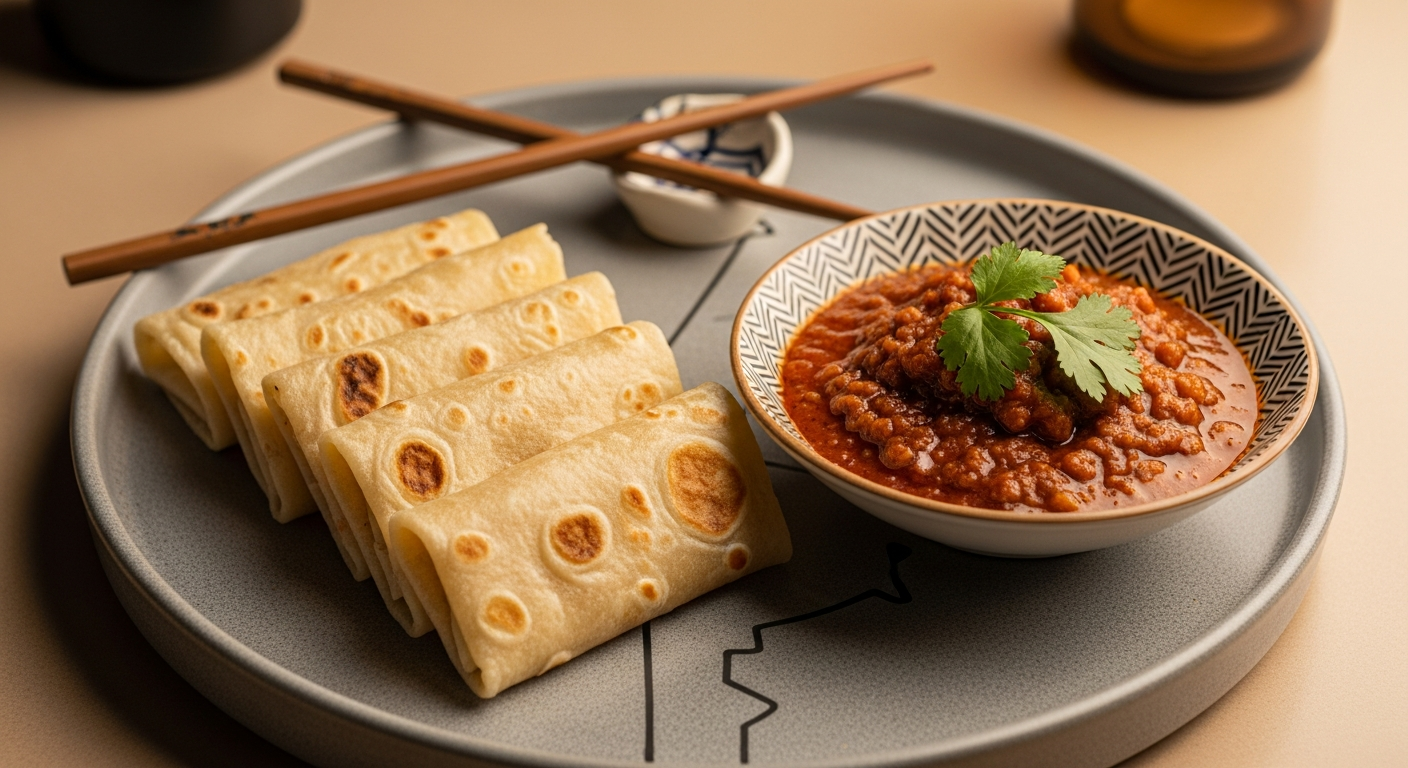
Present Kisra rolled or folded next to a robust bowl of Mulah. Traditionally, pieces of Kisra are torn by hand and dipped into the stew, fostering a communal dining experience. Garnish Mulah with fresh coriander and a wedge of lemon or lime to brighten the rich, spiced flavors. Accompany with fresh salad or pickled vegetables for contrasting textures. A glass of hibiscus tea (Karkade) complements the meal beautifully, cleansing the palate.
| Nutritional Info (per serving) | Calories | Protein | Carbs | Fat |
|---|---|---|---|---|
| Kisra (1 piece) | 120 | 3g | 26g | 0.5g |
| Mulah (1 cup) | 250 | 28g | 8g | 12g |
for those eager to explore more about Sudan’s culinary treasures, check out our Comprehensive guide to Sudanese Spices. To deepen your understanding of fermented breads globally, visit ScienceDirect’s Fermented Bread Overview.
•Q&A
Q&A: Discovering Sudan – The Art of Kisra and Mulah Traditions
Q1: What is Kisra,and why is it significant in Sudanese culture?
A1: Kisra is a traditional Sudanese flatbread made from fermented sorghum or wheat flour. More than just a staple food, Kisra embodies the spirit of Sudan’s communal dining culture. Its unique, slightly tangy flavor and pliable texture make it perfect for scooping up stews and sauces, serving as both plate and utensil. It’s a daily ritual, an edible symbol of hospitality and shared heritage.
Q2: Can you describe how Kisra is traditionally prepared?
A2: Preparing Kisra is an art form passed down through generations. the process starts with soaking sorghum grains to ferment overnight, then grinding them into a smooth batter.This batter is spread thinly on a hot clay or metal griddle called a tannour. The bread cooks quickly, acquiring delicate holes and a distinctive aroma.Making Kisra requires patience and intuition – discerning the perfect batter consistency and cooking temperature is key.
Q3: What exactly is Mulah, and how does it complement Kisra?
A3: Mulah refers to a variety of savory stews or sauces traditionally eaten with Kisra. These range from rich okra-based stews to hearty meats and vegetable blends infused with spices like fenugreek, cumin, and coriander. Mulah is the flavorful partner to Kisra’s mild, slightly sour bread, creating a harmonious balance of textures and tastes that defines Sudanese cuisine.
Q4: How do Kisra and Mulah reflect Sudan’s cultural diversity?
A4: Sudan’s vast landscape is home to numerous ethnic groups, each contributing distinct culinary flavors and techniques. Kisra and Mulah embody this rich tapestry-variations in fermentation length, spices, and ingredients highlight regional identities and histories. When people share Kisra and Mulah, they celebrate the unity within Sudan’s diversity, sharing stories and traditions over communal meals.
Q5: Is Kisra still relevant in modern-day Sudan?
A5: Absolutely! Despite the rise of globalized fast foods, Kisra remains integral to everyday life and celebrations alike. It’s a taste of home for many Sudanese, connecting them to their roots no matter where they are. Moreover, contemporary sudanese chefs are reinterpreting Kisra and Mulah, infusing them with new ingredients and presentation styles, thus keeping the tradition alive and dynamic.
Q6: How can someone outside Sudan experience the joy of Kisra and Mulah?
A6: While the true essence is best savored in sudan, adventurous food lovers can recreate Kisra at home with accessible ingredients like sorghum or whole wheat flour. Pair it with slow-cooked stews rich in traditional spices to approximate Mulah. Many Sudanese communities and cultural festivals worldwide also offer opportunities to taste authentic dishes and learn firsthand about these treasured culinary arts.
Discovering Sudan through Kisra and Mulah is more than a culinary exploration; it’s an invitation to savor a culture steeped in history, community, and creativity. Each bite tells a story of land, labor, and love – a flavorful bridge between past and present.
Final Thoughts
As we close this vibrant journey through Sudan’s rich culinary and cultural tapestry, the art of Kisra and Mulah stands out not merely as food traditions, but as living symbols of heritage and community. Each fold of Kisra, each flavorful spoonful of Mulah, tells a story woven from centuries of history, resilience, and creativity. To discover Sudan through these dishes is to taste the heart of its people-a flavorful invitation to explore deeper,appreciate broader,and celebrate a culture where every meal is a masterpiece. In honoring these traditions, we keep alive the essence of Sudan’s identity, inviting the world to savor not just the flavors, but the spirit of a remarkable land.