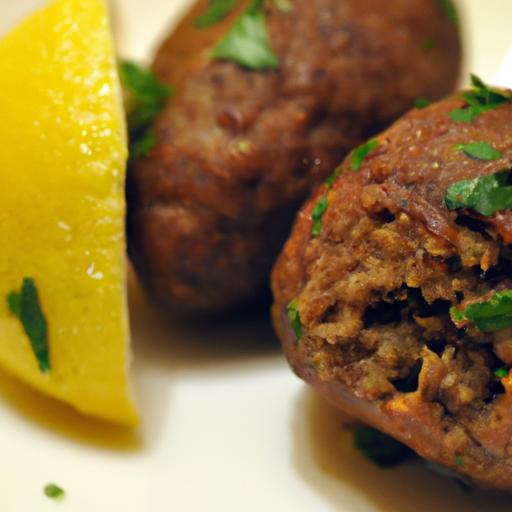
Step into the world of aromatic spices, tender textures, and time-honored traditions with our culinary journey through Egypt’s beloved kofta. More than just meat on a skewer, Egyptian kofta is a vibrant tapestry of flavors that tells stories of ancient markets, bustling street corners, and family gatherings beneath the desert sun. From the fragrant blend of herbs to the sizzling sound of grill fires, each bite offers a glimpse into the heart of Egyptian cuisine. In this article, we unravel the secrets behind authentic Egyptian kofta recipes-inviting you to savor the rich heritage and irresistible tastes that have captivated palates for generations. Prepare your senses and your kitchen as we reveal how to bring these classic dishes to life,turning your next meal into a flavorful celebration of Egypt’s culinary legacy.
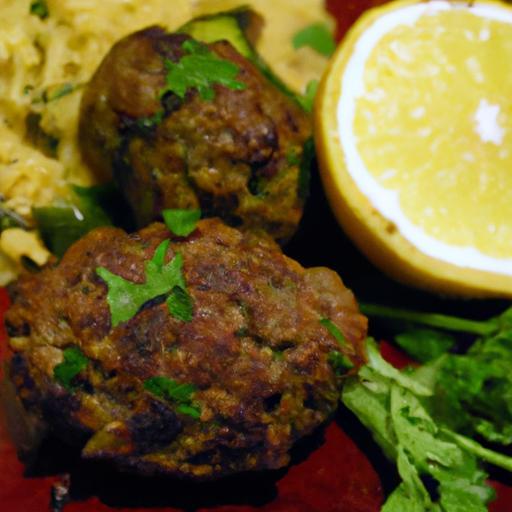
Savor the flavors of authentic Egyptian kofta,a beloved dish rich in history and bursting with aromatic spices that transport your senses to the bustling streets of Cairo. This meatball delicacy reflects centuries of Egyptian culinary artistry, rooted in ancient traditions where minced meat was skillfully seasoned and grilled to perfection, often shared among families during gatherings and festive occasions.
Prep and Cook Time
- Preparation: 20 minutes
- Cooking: 15 minutes
- Total time: 35 minutes
Yield
Serves 4 hungry guests
Difficulty Level
Medium – suitable for home cooks ready to explore authentic spices and grilling techniques
Ingredients
- 500g ground beef or lamb (preferably 20% fat for moisture)
- 1 medium onion, finely grated
- 3 cloves garlic, minced
- 2 tbsp fresh parsley, finely chopped
- 1 tbsp ground cumin
- 1 tbsp ground coriander
- 1 tsp ground cinnamon
- 1 tsp allspice
- 1/2 tsp cayenne pepper (adjust to taste)
- Salt and freshly ground black pepper, to taste
- 1 tbsp olive oil (for grilling or pan-frying)
- Wooden or metal skewers (soaked in water for 30 minutes if wooden)
Step-by-Step Guide to Preparing Traditional Egyptian Kofta
- Combine the Ingredients: In a large bowl, mix the ground meat with the grated onion, minced garlic, parsley, cumin, coriander, cinnamon, allspice, cayenne, salt, and pepper. Use your hands for a thorough mix,ensuring the spices are evenly distributed for a balanced flavor.
- Rest the Mixture: Cover the bowl and refrigerate the mixture for 30 minutes. This resting period allows the flavors to meld and the meat to firm up for shaping.
- Shape the Kofta: Wet your hands slightly to prevent sticking. Take a small handful of the meat mixture and form elongated oval shapes around each skewer, pressing firmly to eliminate air pockets but avoid compacting too tightly, which can make the kofta dense.
- preheat the Grill or pan: heat your grill or a heavy-bottomed skillet over medium-high heat. Brush the surface with olive oil to prevent sticking and promote a golden, crispy exterior.
- Cook the Kofta: Grill or pan-fry the skewers for about 6-8 minutes, turning occasionally to brown each side evenly. The kofta should be cooked through yet juicy, with a beautifully caramelized crust. If unsure, use a meat thermometer - the internal temperature should reach 70°C (160°F).
- Rest Before Serving: Let the kofta rest for a few minutes after cooking.This step locks in the juices, keeping each bite tender and flavorful.
Mastering the Perfect Spice Blend for Authentic Flavor
Egyptian kofta’s magic lies in its spice blend, harmonizing warmth and subtle pungency. The use of cinnamon and allspice elevates the dish beyond simple meatballs, lending an unmistakable North African charm. Balancing cumin and coriander seeds, freshly ground if possible, ensures deep earthiness, while a pinch of cayenne pepper adds an invigorating hint of heat.Adjust spices gradually and taste test by frying small meatballs to fine-tune your personal preference before committing to the entire batch.
Chef’s Notes and Tips for Success
- Meat Choice: A mix of lamb and beef (50/50) can enhance flavor and moisture if desired.
- Grilling vs. Pan-Frying: Grilling offers smokiness authentic to street-style kofta, while pan-frying is convenient for indoor cooking with a nice crispy edge.
- Make-ahead: Kofta can be shaped in advance and refrigerated for up to 24 hours or frozen (uncooked) for one month.
- Binding Agents: traditional recipes avoid breadcrumbs but if your meat mixture feels too loose, a tablespoon of fine bulgur soaked briefly in water can help bind.
- Skewer Tips: use flat metal skewers or soak wooden skewers to avoid burning during cooking.
Pairing Suggestions and Serving Tips for an Unforgettable Meal
Serve your beautifully spiced Egyptian kofta alongside fluffy basmati rice or a fragrant couscous salad dotted with fresh herbs and pomegranate seeds for a vibrant contrast. A side of creamy tahini sauce or cooling yogurt cucumber dip complements the warm spices perfectly. Garnish with chopped parsley, a drizzle of extra virgin olive oil, and a squeeze of fresh lemon to brighten every savory bite.
Accompany the meal with traditional Egyptian fava bean soup for a complete, comforting feast or pair with a refreshing Mediterranean mezze platter for variety and color.

| Nutrient | Per Serving (125g kofta) |
|---|---|
| Calories | 280 kcal |
| Protein | 22 g |
| Carbohydrates | 3 g |
| Fat | 20 g |
Q&A
Q&A: Savor the Flavors - Authentic Egyptian Kofta Recipes Revealed
Q1: What exactly is Egyptian Kofta, and why is it so beloved?
A1: Egyptian Kofta is a succulent, spiced ground meat dish, typically made from beef or lamb, shaped into long, slender patties or cylinders. It’s beloved for its rich blend of aromatic spices and tender texture-a true reflection of Egypt’s vibrant culinary heritage. Whether grilled over open flames or baked to smoky perfection, kofta is a soul-satisfying comfort food that brings people together around the table.
Q2: How does Egyptian Kofta differ from kofta varieties in other Middle Eastern countries?
A2: While kofta is a popular dish across the Middle East, Egyptian kofta stands out with its distinct spice profile, including flavors like cinnamon, allspice, and fresh herbs like parsley and mint. the texture is often finer and the seasoning more subtle compared to spicier versions elsewhere. Additionally,Egyptians often pair kofta with unique accompaniments such as tahini sauce or freshly baked baladi bread,enhancing the dish’s authentic appeal.
Q3: What are the key ingredients that make Egyptian Kofta so flavorful?
A3: The magic lies in the blend of ground meat combined with finely chopped onions, garlic, fresh herbs (parsley and mint), and a symphony of spices-cumin, coriander, cinnamon, and allspice. A dash of salt and pepper rounds out the mix.This harmonious blend creates the distinctive aroma and taste that evoke the bustling Egyptian streets and home kitchens alike.
Q4: Could you share some pro tips for making kofta that’s juicy and well-seasoned?
A4: Absolutely! Always use ground meat with a bit of fat-ideally 20%-which keeps the kofta juicy during cooking.Don’t overwork the mixture; gently combine to maintain tenderness. let the mixture rest for at least 30 minutes in the fridge to allow the flavors to meld. When shaping, keep the patties compact but not too dense. Grill or pan-sear on medium-high heat for a caramelized crust and a moist interior.
Q5: What are some traditional ways to serve Egyptian Kofta?
A5: Traditionally, kofta is served hot with warm, fluffy baladi bread, a generous drizzle of tahini or garlic sauce, and a side of fresh salad like tabbouleh or pickled vegetables. Some enjoy it with creamy rice pilaf or lentil soup on the side, making the meal hearty and balanced. A squeeze of fresh lemon adds a zesty brightness that perfectly complements the spiced meat.
Q6: Can Egyptian Kofta be made vegetarian without losing its authentic essence?
A6: While classic kofta is meat-based, creative cooks have embraced plant-based alternatives using lentils, chickpeas, or finely chopped mushrooms as a base, combined with the same signature spices and herbs. While the texture differs, these versions honor the spirit and flavors of Egyptian kofta, offering a delicious and inclusive twist for vegetarians.
Q7: Where can I find authentic ingredients if I want to try these recipes at home?
A7: Many spices like cumin, coriander, cinnamon, and allspice can be found in your local supermarket’s international aisle.For the freshest herbs, Middle Eastern or Mediterranean grocery stores are gold mines. If you want that truly authentic touch, baladi bread might be sourced from a nearby Egyptian bakery or made at home using traditional recipes found online. Specialty shops frequently enough carry tahini and garlic sauce, staples for the perfect kofta experience.
Q8: Why is learning to make Egyptian Kofta a cultural journey, not just a cooking lesson?
A8: Cooking Egyptian kofta is an invitation to explore centuries of culinary tradition rooted in the Nile’s rich lands and bustling bazaars. Each spice blend tells a story of trade routes and family recipes passed down generations. Preparing and savoring kofta connects cooks and diners alike to Egypt’s vibrant culture, fostering appreciation beyond just taste-a feast for the senses and the soul.
Concluding Remarks
As you close the chapter on these authentic Egyptian kofta recipes, let the rich aromas and bold spices inspire your culinary adventures beyond the page. Each bite tells a story steeped in history, culture, and tradition-inviting you to savor not just a meal, but a timeless experience. Whether you’re grilling under the sun or sharing plates with loved ones, these recipes are your gateway to the vibrant heart of Egyptian cuisine. So gather your ingredients, ignite your passion for flavor, and embark on a delicious journey that celebrates the true essence of kofta. Your taste buds-and your kitchen-will thank you.