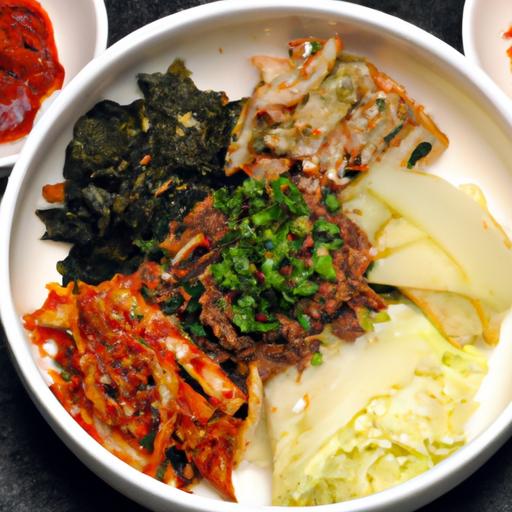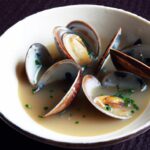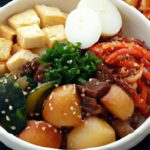

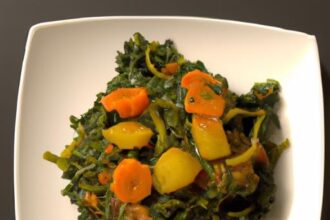
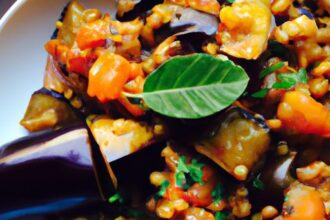
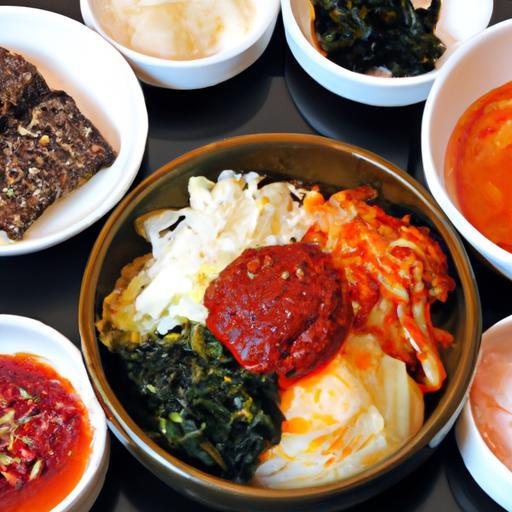
Step into a flavorful journey where bold spices and vibrant textures come alive — welcome to the irresistible world of Korean appetizers. These delightful bites are more than starters; they’re an invitation to explore tradition, culture, and flavor in every mouthful. From the fiery tang of kimchi to the golden crisp of jeon, Korean appetizers awaken your senses and prepare you for a memorable feast.
The magic of Korean appetizers lies in their diversity. Whether you crave spicy, savory, or crispy flavors, Korean appetizers deliver it all. They are perfect for family gatherings, celebrations, or even as quick snacks to brighten your day. A plate of Korean appetizers transforms a simple meal into a flavorful dining experience.
In this guide, we dive deep into the artistry of Korean appetizers, exploring how each dish combines history, tradition, and modern creativity. Imagine enjoying a spread of Korean appetizers filled with kimchi pancakes, stir-fried anchovies, and savory dumplings. Each bite of Korean appetizers offers a symphony of taste that’s as comforting as it is exciting.
The beauty of Korean appetizers is that they’re designed for sharing. Small, flavorful, and bursting with umami, Korean appetizers make every table more inviting. Preparing Korean appetizers at home is not only fun but also rewarding, as you recreate centuries-old recipes that have been cherished across generations.
Ultimately, Korean appetizers are more than food — they are a cultural experience. By savoring Korean appetizers, you connect with tradition while embracing modern flavors. Whether for a festive gathering or a quiet evening snack, Korean appetizers promise to delight, inspire, and satisfy.

Prep and Cook Time
Preparation: 15 minutes | Cooking: 20 minutes | Total Time: 35 minutes
Yield
Serves 4 as appetizers
Difficulty Level
Medium – Ideal for home cooks looking to explore authentic korean flavors with approachable techniques.
Ingredients
- 1 cup all-purpose flour, sifted
- 1/2 cup rice flour (for crispiness)
- 1 1/4 cups cold water
- 2 large eggs, lightly beaten
- 1 cup scallions, cut into 2-inch lengths
- 1/2 cup seafood mix (optional - shrimp, squid, or clams)
- 2 tbsp vegetable oil, for frying
- 1/2 tsp salt
- For the dipping sauce: 2 tbsp soy sauce, 1 tbsp rice vinegar, 1 tsp sugar, 1 tsp toasted sesame seeds, 1 tsp finely chopped red chili (optional)
Instructions
- Mix the dry ingredients: In a large bowl, combine the all-purpose flour, rice flour, and salt. Stir to evenly distribute.
- Add wet ingredients: Gradually whisk in the cold water and eggs until a smooth, slightly runny batter forms. This consistency is crucial for a crispy yet tender pancake.
- Fold in scallions and seafood: Gently incorporate scallions and seafood mix into the batter, ensuring they’re evenly coated but not over-stirred.
- Heat the pan: Heat 1 tablespoon of vegetable oil in a nonstick skillet over medium heat until shimmering.
- Cook the pancake: Pour half the batter into the pan, spreading it to form a thin, even circle. Sauté until bubbles appear on the surface and edges turn golden, about 5 minutes. Flip carefully using a wide spatula.
- Finish cooking: Cook the other side until golden brown and crisp, another 4-5 minutes. Transfer to a plate lined with paper towels to drain excess oil.
- Prepare dipping sauce: Whisk together soy sauce, rice vinegar, sugar, sesame seeds, and chili in a small bowl. Adjust seasoning to taste.
- Repeat: Add remaining oil and cook the second pancake with the remaining batter.
Chef’s Notes & Tips for Success
- Ingredient swaps: Substitute scallions with finely sliced chives or add julienned zucchini for extra texture.
- Batter consistency: Keep the batter slightly thinner than traditional pancake batter for maximum crispness.
- Seafood options: Omit seafood for a vegetarian version or use kimchi in place of scallions to explore different flavor profiles.
- Make ahead: Mix batter and chop scallions up to 2 hours ahead; keep refrigerated and stir gently before cooking.
- Serving tip: Serve immediately for the best texture; reheat by pan-frying briefly to restore crisp edges.
Serving Suggestions
Present the crispy pajeon on a rustic wooden board, garnished with thinly sliced red chili and a sprinkle of toasted sesame seeds. Pair with the tangy dipping sauce in a small bowl alongside. Complement these Korean appetizers with light, effervescent drinks such as a chilled sake or a refreshing Korean rice beer, makgeolli, whose slight sweetness balances the savory depth.
| Nutritional Info (per serving) | Amount |
|---|---|
| Calories | 210 kcal |
| Protein | 9 g |
| Carbohydrates | 27 g |
| Fat | 7 g |

To deepen your culinary journey, explore our detailed guide on Exploring Korean Spices and flavors and unlock secrets to enhancing your Korean appetizer repertoire.
Q&A
Q&A: Savor the Flavors – A Guide to Irresistible Korean Appetizers
Q1: What makes Korean appetizers so unique compared to other cuisines?
A1: Korean appetizers, or anju, are a vibrant blend of bold flavors, vivid colors, and contrasting textures. They frequently enough masterfully balance spicy,sweet,sour,and umami notes in one bite. Unlike some cuisines where appetizers are mild preludes,Korean starters are bursting with personality-think tangy kimchi,crispy jeon,or savory tteokbokki-that awaken your palate and prepare you for the feast ahead.
Q2: which Korean appetizer would be the best introduction for someone trying Korean food for the first time?
A2: A fantastic starting point is pajeon, a savory scallion pancake. It’s approachable, crispy on the outside, tender inside, and not overly spicy.Paired with a soy-based dipping sauce,it gives a taste of Korean flavors without overwhelming unfamiliar palates.
Q3: How crucial is kimchi in Korean appetizers?
A3: Kimchi is the heart and soul of Korean cuisine-even in the appetizer section. It’s a fermented vegetable dish with a spicy kick, brimming with probiotics. As an appetizer,kimchi awakens the senses and stimulates appetite,frequently enough served alongside other dishes or creatively incorporated into pancakes and dumplings. It’s an irresistible gateway into Korean flavors.
Q4: Can Korean appetizers be enjoyed by vegetarians or those with dietary restrictions?
A4: Absolutely! Korean cuisine offers a myriad of plant-based appetizers. options like kongnamul muchim (seasoned soybean sprouts),hobak jeon (zucchini pancakes),and kimchi variations made without fish sauce cater well to vegetarians. Just be sure to clarify ingredients and ask for adjustments if needed, as traditional recipes can sometimes include seafood or meat-based elements.
Q5: What role do textures play in Korean appetizers?
A5: Texture is king! Korean appetizers often combine crunchy, chewy, and silky elements all in one dish, creating a dynamic eating experience. Take tteokbokki-chewy rice cakes swimming in a spicy, sticky sauce-or twigim, which are light, crispy fried snacks. This play on textures makes Korean appetizers endlessly satisfying.
Q6: How can one recreate authentic korean appetizers at home?
A6: Start simple! Focus on key pantry staples like gochujang (red chili paste), soy sauce, sesame oil, garlic, and rice vinegar. Recipes for kimchi, pajeon, and mandu (dumplings) can be tackled with beginner-friendly instructions. The secret is balancing flavors and not rushing fermentation for kimchi.Plus,sharing these appetizers is part of the fun-invite friends and enjoy the communal spirit of Korean dining.
Q7: What beverage pairs best with Korean appetizers?
A7: korean appetizers shine when paired with traditional drinks like soju or makgeolli (a slightly sweet rice wine). Their clean, refreshing qualities complement the spice and saltiness of the dishes.For non-alcoholic options, iced barley tea (boricha) or a crisp sparkling water with a hint of citrus works beautifully to refresh the palate.
Q8: Are Korean appetizers typically spicy?
A8: Many Korean appetizers feature a pleasant kick, largely thanks to gochujang and chili flakes, but they’re rarely overwhelming.The spice is often balanced with sweetness, acidity, or umami depth, creating complex layers rather than outright heat. And if you prefer mild, there are always options like gyeran mari (rolled egg omelet) or vegetable-based dishes.
Q9: Why are Korean appetizers gaining popularity worldwide?
A9: The global love for korean food is fueled by its irresistible mix of bold flavors,vibrant colors,and the rich cultural stories behind every dish. Korean appetizers provide an energetic introduction to a cuisine that’s fresh, comforting, and exciting all at onc. Social media, K-pop, and Korean dramas have also spotlighted food scenes, sparking curiosity and desire to experience authentic tastes firsthand.
Q10: what should readers take away from this guide on irresistible Korean appetizers?
A10: Dive fearlessly into korean appetizers! They’re more than just starters-they’re a festivity of taste,texture,and tradition designed to bring people together. Whether you’re cooking at home or dining out, savor each bite as an invitation into one of the world’s most dynamic and flavorful cuisines. Get ready to explore, share, and fall in love with every exquisite morsel.
The Way Forward
As you close this flavorful journey through Korea’s vibrant appetizer scene,let your taste buds linger on the tantalizing textures and bold spices that make these dishes truly unforgettable. From the crispy, golden jeon to the spicy, tangy tteokbokki, each bite offers a story steeped in tradition and bursting with innovation. Whether you’re a seasoned foodie or an adventurous newcomer, these irresistible Korean starters invite you to explore a world where every flavor sings and every plate tells a tale. So next time you seek a culinary adventure, remember: the perfect beginning is just a small bite away. savor the flavors,and let your palate be your guide.