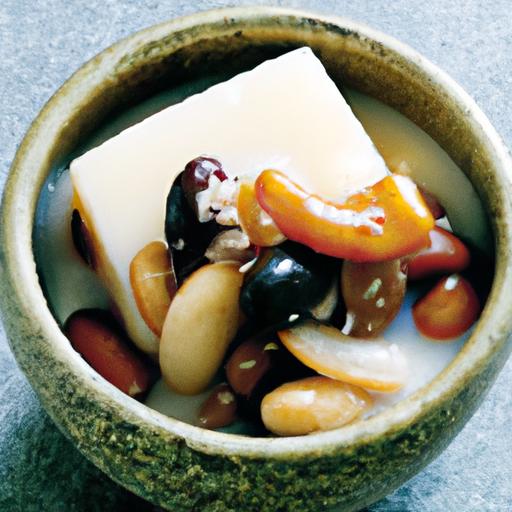
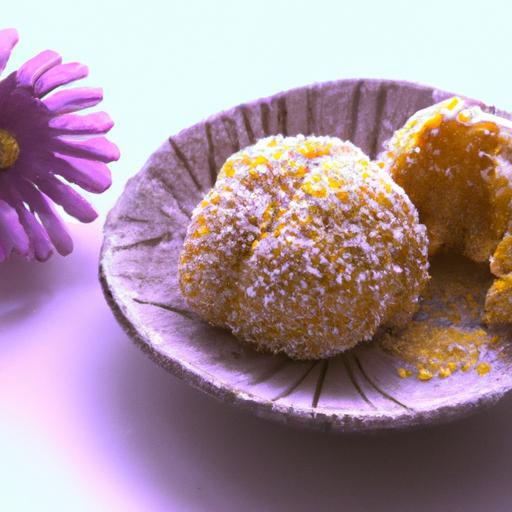
In the vibrant tapestry of Korean cuisine, the spotlight frequently enough shines on spicy stews, sizzling barbeques, and savory street snacks. Yet, tucked away in quiet markets, family kitchens, and festive celebrations lies a sweeter story waiting to be told. Korean desserts, with their delicate flavors, natural ingredients, and centuries-old traditions, offer a unique glimpse into the culture’s harmonious balance of taste and ritual. From the chewy delights of tteok to the refreshing allure of patbingsu, these sweet treats are more than just confections-they are edible expressions of history, community, and artistry. Join us as we embark on a delectable journey through the world of Korean desserts, uncovering the stories behind each bite and savoring the sweetness that has endured through generations.
Sweet traditions: exploring the world of Korean desserts invites you to embark on a fascinating journey through delicate flavors and time-honored techniques that define Korea’s cherished sweet treats. Rooted deeply in history and cultural rituals,Korean desserts embody more than just sweetness – they reflect nature’s rhythms,ancestral wisdom,and communal party. Whether it’s the chewy delight of tteok (rice cakes) or the subtle floral notes of hwajeon (flower pancakes), these iconic flavors and ingredients offer a sensory passage into Korea’s rich heritage.
From bustling street markets to tranquil temple kitchens, seasonal sweets embody the spirit of every festival and harvest, ensuring year-round indulgence that connects past and present. this story unfolds even further in cozy dessert cafes and hidden gems scattered across Korea’s cities and countryside, where conventional recipes meet innovative twists, inviting everyone to savor a slice of Korean culture through its captivating desserts.
Prep and Cook Time
- Preparation: 20 minutes
- Cooking: 15 minutes
- Total Time: 35 minutes
Yield
Serves 4-6 as a delightful snack or dessert
Difficulty Level
Medium – perfect for adventurous home bakers eager to explore new textures and flavors
ingredients
- 1 cup glutinous rice flour,sifted
- ½ cup boiling water
- 2 tbsp sugar
- 2 tbsp honey
- 2 tbsp roasted soybean powder (kinako)
- ½ cup sweetened red bean paste (optional)
- 1 tbsp toasted sesame seeds
- Vegetable oil for frying
- Edible flower petals (e.g., chrysanthemum or azalea) for garnish
Instructions
- Mix the glutinous rice flour and sugar in a large bowl. Gradually pour in the boiling water, stirring continuously with a wooden spoon until the mixture forms a sticky, pliable dough. Be cautious with the water; add slowly to avoid over-wetting.
- Knead the dough lightly on a clean, flat surface dusted with a little rice flour; knead until smooth but still soft, about 3 minutes.
- Divide the dough into 10 equal pieces and shape each into a small flattened disk roughly 2 inches in diameter. If using, add a small dollop of sweetened red bean paste inside each disk before sealing and flattening again.
- Heat a non-stick skillet over medium heat and lightly grease with vegetable oil. Carefully place the dough disks in the skillet, cooking until golden brown on each side, approximately 3-4 minutes per side. Flip gently to maintain shape.
- Remove from heat and immediately brush each cake lightly with honey while still warm to add a glistening sweetness and soft glaze.
- Roll the finished cakes in the roasted soybean powder mixed with toasted sesame seeds to coat evenly-this adds texture and a nutty depth.
- Serve warm, garnished with edible flower petals for a traditional yet elegant touch.
Chef’s Notes
- For a vegan alternative,swap honey for rice syrup or maple syrup without compromising sweetness or shine.
- If you prefer a gluten-free option, ensure your rice flour is 100% pure glutinous rice flour without additives.
- Sweetened red bean paste is optional but adds richness and contrast; it can be substituted with sweet chestnut puree or black sesame paste.
- Edible flowers aren’t just decorative-their fragrance enhances the sensory experience and pairs beautifully with the subtle sweetness of the cakes.
- Make-ahead tip: Prepare dough a few hours in advance and refrigerate, but fry right before serving for optimal texture.
Serving Suggestions
Present these subtly sweet, chewy treats alongside omija tea (five-flavor berry tea) or a delicate barley tea to balance richness and refresh the palate. Pairings with fresh seasonal fruits or a light dusting of powdered cinnamon can also elevate the experience. For festive occasions, arrange cakes on traditional Korean lacquerware plates to honor the roots of this dessert.

| Nutritional Facts (per serving) | Calories | Protein | Carbs | Fat |
|---|---|---|---|---|
| Traditional Korean Rice Cakes | 180 kcal | 3 g | 38 g | 1 g |
Discover More Korean Dessert Delights
To deepen your journey into Sweet Traditions: Exploring the World of Korean Desserts, explore other recipes like Honey Patbingsu-a refreshing shaved ice dessert that’s a summer favorite. For further cultural context, visit The Korea Herald’s coverage on traditional desserts, which beautifully illustrates the evolving story of these time-honored sweets.
Q&A
Q&A: Sweet Traditions – Exploring the World of Korean Desserts
Q1: What makes Korean desserts unique compared to other Asian sweets?
A1: Korean desserts are a harmonious blend of natural ingredients, delicate textures, and subtle sweetness. Unlike the often heavily sugared treats found elsewhere, Korean sweets emphasize balance-utilizing ingredients like red beans, rice flour, and honey to create desserts that are both flavorful and light. Their beauty frequently enough lies in simplicity and tradition, offering not just taste but a deep cultural story with every bite.
Q2: Can you name some traditional Korean desserts and their meaning?
A2: Certainly! tteok (rice cakes) are iconic Korean desserts,often enjoyed during celebrations like Lunar New Year and weddings. Varieties like injeolmi (coated with roasted soybean powder) or songpyeon (half-moon shaped rice cakes filled with sweet fillings) carry wishes for prosperity and happiness. Another beloved treat is patbingsu, a shaved ice dessert topped with sweet red beans, fruits, and condensed milk-perfect for cooling down in summer while savoring a comforting sweetness.
Q3: How have modern trends influenced Korean desserts today?
A3: Modern Korean desserts beautifully marry tradition with innovation. Cafés and patisseries in Seoul and beyond experiment by fusing classic flavors like matcha, yuzu, or black sesame with global techniques-think mochi-inspired macarons or tteok desserts with a chocolate ganache twist. This evolution honors heritage while appealing to adventurous palates, making Korean sweets a dynamic and evolving scene.Q4: Are Korean desserts generally healthy?
A4: Manny traditional Korean desserts are relatively healthy compared to Western counterparts since they often emphasize natural sweetness without excessive refined sugar. Ingredients like sweet red beans are rich in fiber and protein, and rice-based desserts are gluten-free. However, as with any cuisine, moderation is key-some modern variations can be indulgent, but traditional recipes tend toward nourishing simplicity.
Q5: How can someone new to Korean desserts start exploring this sweet tradition?
A5: The best way to begin is to taste a few classic staples like hotteok (sweet syrup-filled pancakes), yakgwa (honey cookies), or chapssaltteok (glutinous rice balls). Visiting a Korean bakery or café can be an adventure in itself. For the curious cook,simple recipes for tteok or red bean porridge (patjuk) offer a delightful introduction to Korean dessert-making. And don’t forget-each dessert often comes wrapped in stories and customs, so learning about them enriches the tasting experience enormously!
Discovering Korean desserts is like opening a treasure chest filled with centuries of culture, flavor, and warmth-each morsel a sweet glimpse into Korea’s rich culinary heritage.
In Conclusion
From the delicate folds of hotteok to the vibrant hues of patbingsu, Korean desserts offer more than just a sweet finish-they are a gateway to centuries of culture, celebration, and craftsmanship. As we’ve journeyed through these delightful treats, it becomes clear that each bite tells a story, woven with tradition and innovation alike. Whether you savor them in a bustling Seoul street market or recreate them in your own kitchen, korean desserts invite you to experience a world where sweetness is both art and memory. So next time you crave something uniquely satisfying, let these confections remind you that sometimes, the sweetest traditions are the ones worth exploring.