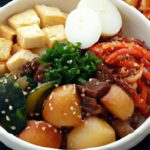
In a world overflowing with fleeting wellness fads, Korean Gut Health Foods continue to stand out as timeless treasures that connect flavor, culture, and vitality. These ancient staples are more than culinary pleasures — Korean Gut Health Foods embody the harmony between tradition and science, nurturing the body from within. From the zesty tang of kimchi to the deep umami of fermented soybean paste, Korean Gut Health Foods deliver nourishment that fuels both taste and transformation.
Unlocking wellness through Korean Gut Health Foods begins with understanding how fermentation naturally enhances digestion and strengthens immunity. Each bite of Korean Gut Health Foods introduces your gut to beneficial probiotics, enzymes, and nutrients designed to restore internal balance. Kimchi, one of the most iconic Korean Gut Health Foods, perfectly illustrates this power — its crunchy texture, vibrant spice, and probiotic richness make it a daily dose of gut-loving goodness.
The beauty of Korean Gut Health Foods lies in their simplicity and authenticity. Rooted in centuries-old culinary wisdom, these foods turn humble ingredients into life-enhancing meals. Whether it’s a bowl of doenjang jjigae or a spoonful of gochujang paste, Korean Gut Health Foods carry the legacy of mindful preparation and natural fermentation that promote lasting vitality.
Incorporating Korean Gut Health Foods into modern diets can be effortless. Start by adding small servings of kimchi or fermented radish to your meals — these Korean Gut Health Foods not only boost flavor but also improve nutrient absorption. Over time, you’ll notice how Korean Gut Health Foods contribute to lighter digestion, better energy, and a stronger immune system.
True wellness begins in the gut, and Korean Gut Health Foods are the bridge between ancient healing and modern nutrition. As you embrace Korean Gut Health Foods, you unlock more than better digestion — you awaken a sense of harmony that radiates throughout your body. From the first taste to the lasting benefits, Korean Gut Health Foods transform your well-being, one delicious, probiotic bite at a time.
Prep and Cook Time
- Readiness Time: 30 minutes
- Fermentation Time: 3-7 days (depending on room temperature and desired tanginess)
Yield
- Approximately 4 cups (serves 4-6 as a side dish)
Difficulty Level
- Medium
Ingredients
- 1 medium Napa cabbage (about 2 pounds), cut into quarters and washed
- 1/4 cup sea salt (non-iodized, for salting cabbage)
- 5 cups cold water
- 1 tablespoon grated ginger
- 4 cloves garlic, minced
- 2 tablespoons fish sauce (or soy sauce for vegan option)
- 2 teaspoons sugar
- 1/2 cup Korean red pepper flakes (gochugaru) – adjust for spice preference
- 4 green onions, chopped into 1-inch pieces
- 1 small carrot, julienned
- 1 daikon radish, julienned (about 1 cup)
Instructions
- Salt the Cabbage: In a large bowl, dissolve 1/4 cup sea salt in 5 cups cold water.Submerge the Napa cabbage quarters in the brine. Let soak for 2 hours, turning every 30 minutes to ensure even salting. This draws moisture out for optimal fermentation.
- Rinse and Drain: Remove cabbage, rinse thoroughly under cold water 2-3 times. squeeze gently to remove excess water and set aside.
- Prepare the spice Paste: In a medium bowl, combine grated ginger, minced garlic, fish sauce, sugar, and Korean red pepper flakes. Mix into a thick, vibrant paste. Adjust gochugaru quantity if you prefer milder or spicier kimchi.
- Add Vegetables: Mix green onions, carrot, and daikon radish into the spice paste until evenly coated.
- Coat the Cabbage: Wearing gloves to protect your hands from chili, spread the spice paste mixture between each cabbage leaf, ensuring full coverage on all layers.
- pack and Ferment: firmly pack the coated cabbage into a clean, airtight jar or fermentation crock, pressing down to remove air pockets. Leave at least an inch of headspace to allow for expansion during fermentation.
- Begin Fermentation: Close the jar loosely or use an airlock fermentation lid. store at room temperature (65-72°F) away from direct sunlight. Taste kimchi daily after day 3. Once desired tang is reached (usually 5-7 days), transfer to the refrigerator to slow fermentation.
Chef’s Notes: Tips for Success
- Salt Selection: Use non-iodized sea salt or kosher salt to protect beneficial bacteria during fermentation.
- Glove Up: The chili paste can irritate skin-using gloves ensures comfort and even spreading.
- Fermentation Timing: Warmer temperatures speed fermentation but monitor daily to avoid over-souring.
- Make-Ahead: Kimchi can be made weeks in advance-the flavor deepens and gains complexity over time.
- Substitutions: For vegan kimchi, replace fish sauce with tamari or miso paste for umami depth.
Serving Suggestions
The vibrant orange-red hues and crisp texture of freshly fermented kimchi bring bright contrasts and layers of flavor to any meal. Serve chilled as a side alongside grilled meats, bibimbap, or light rice porridge. Use as a zesty topping for tacos, noodles, or avocado toast to introduce a Korean twist. Garnish with toasted sesame seeds or finely sliced scallions for added visual appeal and nutty aroma.
| Nutrient | Per 100g |
|---|---|
| Calories | 15 kcal |
| Protein | 1.1 g |
| Carbohydrates | 2.4 g |
| Fat | 0.2 g |

By integrating this traditional Korean superfood into your daily diet, you harness the synergy of natural probiotics and nutrient-rich ingredients, unlocking wellness and inviting balance to your gut system. For a deeper understanding of probiotic benefits, visit this NIH research. To explore more recipes celebrating fermented foods, check out our Korean Fermented Favorites collection.
Q&A
Q&A: Unlocking Wellness – The Magic of Korean Gut Health Foods
Q1: What makes Korean gut health foods so special compared to other global cuisines?
Answer: Korean cuisine is a treasure trove of fermented delights, packed with probiotics that nurture the gut microbiome-our body’s health command center. Unlike many other cuisines, Korean foods such as kimchi, doenjang (fermented soybean paste), and makgeolli (rice wine) have been honed over centuries, blending tradition with gut-amiable science.Their natural fermentation processes produce beneficial bacteria that balance digestion,boost immunity,and even enhance mood-a tasty fusion of culture and wellness.
Q2: How does fermentation contribute to gut health?
Answer: Fermentation is like a magical transformation where microbes break down sugars and starches, creating enzymes, vitamins, and probiotics along the way. these probiotics colonize your gut, promoting a healthy balance of bacteria. In Korean gut foods, fermentation not only preserves the food but also unlocks nutrients and creates living cultures that support digestion and reduce inflammation.Think of it as a natural wellness potion brewed over time.
Q3: Can you name some must-try Korean gut health foods and their unique benefits?
Answer: Absolutely! here are a few shining stars:
- Kimchi: Spicy, tangy, and crunchy, it’s loaded with lactic acid bacteria that aid digestion and fight harmful pathogens.Its fiber content also feeds good bacteria.
- Doenjang: A robust fermented soybean paste, rich in isoflavones and peptides, supporting anti-inflammatory properties and gut barrier strength.
- Cheonggukjang: Known for its pungent aroma, this fast-fermented soybean paste contains high levels of Bacillus subtilis, enhancing gut enzyme activity.
- Makgeolli: This milky, fizzy rice wine contains yeast and lactic acid bacteria, which can soothe the digestive tract after a long day.
Q4: How can someone incorporate these foods into their daily diet without overwhelming their palate?
Answer: Start small! Add a spoonful of kimchi as a vibrant side dish or mix doenjang into soups and stews for a savory depth. Experiment by drizzling makgeolli into dressings or sipping it chilled for a refreshing probiotic boost. The key is consistency-regular, moderate consumption lets your gut flora gradually adapt and flourish without a flavor shock.
Q5: Are there any precautions when diving into Korean gut health foods for beginners?
Answer: As with any potent superfood, moderation is wise. Fermented foods can be salty and sometimes spicy, so it’s essential to listen to your body, especially if you’re sensitive to sodium or have digestive conditions like IBS. Also, ensure you choose traditionally fermented products without excessive additives or preservatives to maximize benefits.
Q6: Beyond digestion, can Korean gut health foods influence overall wellness?
Answer: Definitely! A balanced gut microbiome is linked not just to digestion but to mood regulation, skin health, and immune resilience. The probiotics in Korean fermented foods communicate with our nervous system-the so-called gut-brain axis-possibly easing anxiety and promoting mental clarity. Plus, their antioxidant-rich ingredients combat inflammation, making these foods holistic wellness warriors.
Q7: What’s the simplest way for someone curious to start their gut-healthy Korean journey?
Answer: Begin by tasting kimchi from a reputable source-choose varieties with natural fermentation over pasteurized ones.Pair it with familiar dishes like rice or grilled meats to ease into the flavors. Gradually explore other staples like doenjang soup or a cup of makgeolli. Embrace the experience as both a culinary adventure and a step toward vibrant health.
unlocking wellness might just be a delicious bite of Korean gut health foods away-a flavorful passage to harmony within!
In Conclusion
As we journey through the vibrant world of Korean gut health foods, it becomes clear that wellness isn’t just a destination-it’s a flavorful, dynamic adventure rooted in tradition and science. From the tangy depths of kimchi to the soothing embrace of fermented teas, these ancient treasures offer more than just taste; they unlock the secrets to a balanced gut, radiant energy, and a resilient body. Embracing these time-honored foods invites us to nourish not only our digestive system but our entire well-being. So, why not take a step toward vibrant health with a spoonful of culture, a bite of history, and a burst of nature’s magic? Your gut-and your life-may thank you in ways you never imagined.