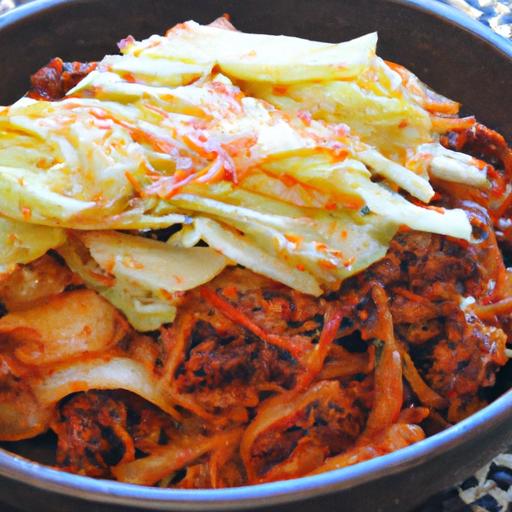
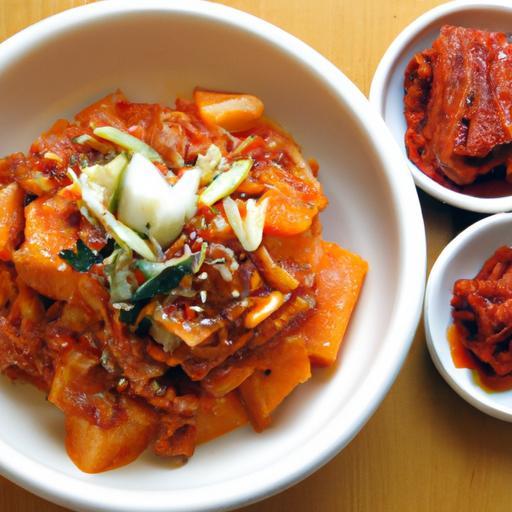
Korean Recipes are celebrated worldwide for their bold flavors, rich heritage, and comforting textures, making Top Korean Recipes a must-explore culinary experience. From fermented staples to sizzling grills, Korean Recipes showcase balance, depth, and tradition, while Top Korean Recipes highlight the most iconic dishes loved across generations. Exploring Korean Recipes means embracing culture through food, and mastering Top Korean Recipes allows home cooks to recreate authentic tastes with confidence, creativity, and consistency.
Diving deeper into Korean Recipes, you’ll uncover why Top Korean Recipes continue to dominate global food trends. Korean Recipes such as bulgogi, bibimbap, and Korean BBQ reflect harmony between spice, sweetness, and umami, while Top Korean Recipes bring people together through shared meals and interactive dining. Whether you are new to Korean Recipes or expanding your repertoire, Top Korean Recipes deliver unforgettable flavor, cultural depth, and timeless appeal in every dish.
Prep and Cook Time
- Preparation: 20 minutes
- Marinating: 2 hours (preferably overnight)
- Grilling: 10-15 minutes
- Total Time: Approximately 2 hours 35 minutes
Yield
Serves 4 hungry guests, perfect for a cozy gathering or family dinner.
Difficulty Level
Medium – Ideal for cooks agreeable with marination and stovetop grilling.
Ingredients
- 1 lb beef ribeye, thinly sliced (ask your butcher for Korean BBQ cut)
- 1/4 cup soy sauce (use low sodium for better balance)
- 2 tbsp brown sugar (for that signature caramelized glaze)
- 2 tbsp sesame oil
- 4 garlic cloves, minced
- 1 small pear, grated (asian pear preferred for tenderizing)
- 1 tsp freshly ground black pepper
- 2 green onions, finely chopped
- 1 tsp toasted sesame seeds (for garnish)
- Optional: sliced fresh chili for heat
instructions
- Prepare the marinade: In a bowl, whisk together soy sauce, brown sugar, sesame oil, minced garlic, grated pear, and black pepper until sugar dissolves wholly.
- Marinate the beef: Add thinly sliced ribeye to the marinade, making sure each piece is fully coated. Cover and refrigerate for at least 2 hours, ideally overnight for optimal flavor infusion and tenderness.
- Heat your grill or skillet: Preheat a grill pan over medium-high heat. Lightly grease with vegetable oil to prevent sticking.
- Grill the meat: Place marinated slices on the hot grill, cooking each side for about 2-3 minutes. Look for a deep caramelized crust with a juicy interior. Avoid overcrowding to ensure even cooking.
- Rest briefly: Let the grilled beef rest on a warm plate for a few minutes to let the juices redistribute.
- Garnish and serve: Sprinkle toasted sesame seeds and chopped green onions over the meat. Add sliced fresh chili if you desire an extra kick.
Tips for Success
- Choose the right cut: Ribeye is ideal for tenderness and marbling, but short ribs (galbi) or sirloin work wonderfully too.
- Marinate patience: The grated pear not only tenderizes but brings natural sweetness-don’t skip it.
- Don’t rush grilling: Thin slices cook quickly; keep the heat high but controlled to prevent burning.
- make-ahead option: Slice and marinate the beef the day before for richer flavor and less prep stress.
- Accompany with side dishes: Kimchi, steamed rice, and assorted ssam (lettuce wraps) elevate the experience authentically.
Serving Suggestions
Present your Korean BBQ feast on a large platter interspersed with colorful banchan-think crunchy pickled radish, sweet and spicy kimchi, and fresh herb leaves (perilla and lettuce) for wrapping. Encourage diners to create ssam wraps: add a slice of grilled beef, a dab of ssamjang sauce, a garlic clove, and a small piece of chili inside a leaf. Serve alongside steamed white rice and a chilled bottle of soju or Korean beer for a truly immersive experience.

| Nutrient | Per Serving |
|---|---|
| Calories | 350 kcal |
| Protein | 28 g |
| Carbohydrates | 8 g |
| Fat | 22 g |
For more insights on authentic Korean fermentation techniques, Maangchi’s site is a treasure trove beloved by home cooks worldwide. Also, check our collection of Korean side dishes to complete your meal.
Q&A
Q&A: Savor the flavor – Top Korean Recipes You Must Try Today
Q1: What makes Korean cuisine so unique and worth exploring?
A1: korean cuisine is a vibrant symphony of bold flavors, clever fermentation, and a balance of textures. From spicy kimchi to savory barbecues, it melds health benefits with rich traditions, offering an experience that’s both comforting and exciting. Its emphasis on fresh ingredients and communal dining turns every meal into a celebration.
Q2: Which Korean dish is a great starting point for beginners?
A2: Bibimbap is the perfect gateway dish-it’s a colorful,nutritious bowl brimming with rice,sautéed vegetables,marinated beef,and a sunny-side-up egg,all topped with a dollop of spicy gochujang sauce. Easy to assemble and endlessly customizable,it captures the essence of Korean flavors in one bowl.
Q3: How essential is fermentation in Korean cooking?
A3: Fermentation is the heart and soul of many Korean staples. Think kimchi-the tangy, spicy fermented cabbage that’s a side dish superstar. Fermentation not only develops complex flavors but also boosts gut health, making Korean dishes both flavorful and nourishing.
Q4: Can I make Korean BBQ at home without specialized equipment?
A4: Absolutely! While grilling over charcoal is conventional, you can achieve fantastic Korean BBQ flavors on a stovetop grill pan or even a cast iron skillet. marinades rich in soy sauce, garlic, sesame oil, and sugar help create that signature sweet-savory crust that everyone craves.
Q5: What’s a lesser-known Korean recipe that deserves more attention?
A5: Japchae, sweet potato glass noodles stir-fried with colorful veggies and tender beef, is a hidden gem that’s both hearty and light. Its chewy noodles and savory-sweet sauce make it a crowd-pleaser perfect for weeknight dinners or festive occasions.
Q6: How spicy are Korean dishes typically?
A6: Korean cuisine embraces spice but offers a spectrum-from mild to fiery. Dishes like tteokbokki bring a playful heat, while others like bulgogi remain mild and sweet. You can always adjust the chili levels to suit your palate without losing the essence of the dish.
Q7: Any tips for sourcing authentic Korean ingredients?
A7: Korean grocery stores and international markets are treasure troves for essentials like gochujang (red chili paste), doenjang (fermented soybean paste), and Korean soy sauce. Online specialty stores also deliver these staples right to your doorstep,ensuring your homemade recipes stay authentic.
Q8: Why should I try these recipes today?
A8: Korean recipes invite you to embark on a sensory adventure-each dish tells a story of culture, history, and community. Trying them today means embracing new tastes, enhancing your cooking skills, and sharing unforgettable meals with loved ones. It’s not just food; it’s a flavorful journey waiting in your kitchen.
Final Thoughts
As you embark on your culinary journey thru these top Korean recipes, let each bite transport you to the vibrant streets of Seoul and the comforting warmth of home-cooked flavors. Whether you’re mastering the perfect kimchi or savoring the rich layers of bibimbap, these dishes invite you to explore a culture where every meal tells a story. So, roll up your sleeves, gather your ingredients, and savor the unforgettable tastes that Korean cuisine offers-as great flavors are meant to be shared, enjoyed, and remembered. Your next delicious adventure awaits!