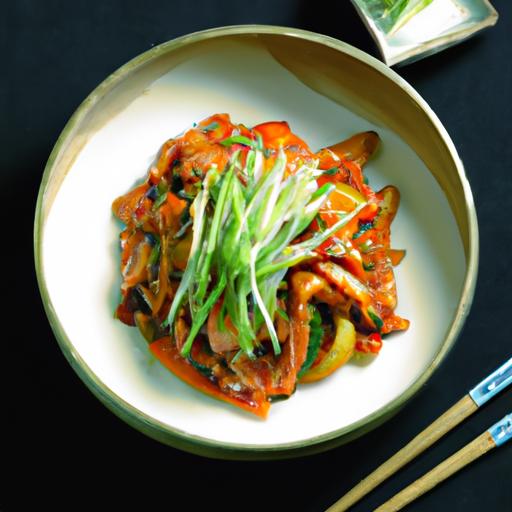

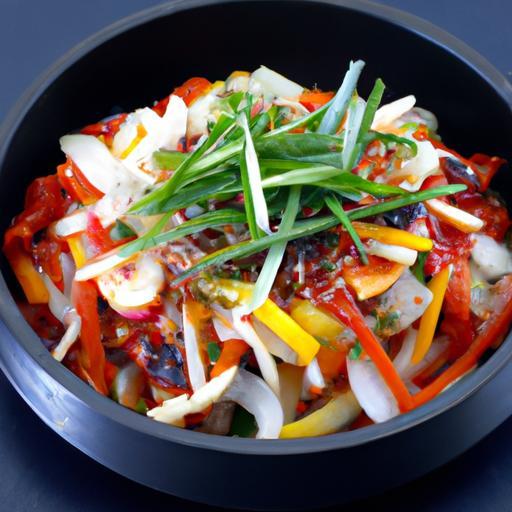
In the vibrant tapestry of Korean cuisine, where bold flavors and time-honored traditions intertwine, a captivating dish emerges that marries tangy zest with comforting familiarity: Korean sweet and sour. this culinary delight offers a refreshing twist on classic tastes, balancing the playful dance of acidity and sweetness with the heartiness of customary ingredients. More than just a meal, korean sweet and sour invites you on a sensory journey-one that honors heritage while embracing innovation. join us as we explore the origins, nuances, and irresistible charm behind this flavorful fusion that’s reshaping how we savor Korean flavors.
Korean sweet and sour dishes hold a special place in the vibrant mosaic of Korean cuisine. This delightful interplay of flavors,textures,and colors reflects the culinary soul of Korea,combining crispiness,tanginess,and a subtle sweetness that dances on your palate. From bustling street food stalls to home-cooked family meals,this dish embodies a perfect balance-the hallmark of Korean cooking.
prep and Cook Time
- Prep Time: 20 minutes
- Cook Time: 15 minutes
- Total Time: 35 minutes
Yield
Serves 4 people generously, ideal for family dinners or intimate gatherings.
Difficulty Level
Medium – approachable for home cooks with basic frying and sauce-making experience.
Ingredients
- For the Protein: 500g boneless chicken thighs, cut into bite-sized pieces
- 1/2 cup cornstarch, for coating
- 1 large egg, beaten
- Vegetable oil, for frying
- For the Sweet and Sour Sauce:
- 1/3 cup rice vinegar
- 1/4 cup ketchup
- 3 tbsp soy sauce
- 1/2 cup granulated sugar
- 1 tsp minced garlic
- 1 tsp grated ginger
- 1 tbsp cornstarch mixed with 3 tbsp water (slurry)
- Vegetables: 1/2 red bell pepper, sliced; 1/2 green bell pepper, sliced; 1 small onion, cut into chunks; 1/2 cup pineapple tidbits
- 1 tsp toasted sesame oil
- 2 green onions, sliced (for garnish)
- Sesame seeds, for garnish (optional)
Instructions
- Prepare the chicken: Toss chicken pieces in beaten egg, then coat evenly with cornstarch. Shake off excess to ensure a light, crispy crust.
- Heat oil: In a deep skillet or wok, heat vegetable oil over medium-high heat (around 350°F/175°C). Ensure ther’s enough oil to submerge half the chicken pieces.
- Fry chicken: Fry chicken in batches for 4-5 minutes until golden brown and crispy. Remove and drain on paper towels to eliminate excess oil.
- Create the sauce: In a separate pan, combine rice vinegar, ketchup, soy sauce, sugar, minced garlic, and grated ginger. Stir over medium heat until sugar dissolves completely.
- Thicken the sauce: Slowly whisk in the cornstarch slurry. stir continuously until the sauce thickens and becomes glossy,about 2-3 minutes.
- Add vegetables and pineapple: Toss in bell peppers, onion, and pineapple tidbits. Sauté briefly until vegetables are tender-crisp, about 2 minutes.
- Combine chicken and sauce: Return the fried chicken to the pan. Gently toss to coat every piece with the luscious sweet and sour sauce evenly.
- Finish with sesame oil: Drizzle toasted sesame oil atop for a subtle, nutty fragrance that enhances the dish’s depth.
- Serve hot: Transfer to a serving plate and garnish with sliced green onions and a sprinkle of sesame seeds.
Tips for Success with Korean sweet and Sour
- Use chicken thighs over breast for juicier, more flavorful bites that stay tender after frying.
- Maintaining the oil temperature during frying is key-to low results in soggy chicken, too high burns the coating.
- The balance of sweet and sour is highly customizable: adjust sugar and vinegar to suit your taste buds.
- For a gluten-free version, use tamari (gluten-free soy sauce) and double-check your ketchup ingredients.
- Make the sauce in advance and reheat gently; this allows flavors to meld beautifully, enhancing the final dish.
Serving Suggestions
Plate this Korean sweet and sour dish over steamed jasmine rice or sticky short-grain rice to soak up the vibrant sauce. Pair with a crisp cucumber salad or kimchi for contrast. For added texture, sprinkle finely chopped roasted peanuts or crunchy fried shallots on top. Brighten the presentation with thin lemon wedges or fresh cilantro sprigs to elevate your table setting and palate.
| Nutritional Information (per serving) | Amount |
|---|---|
| Calories | 460 kcal |
| Protein | 32 g |
| Carbohydrates | 45 g |
| Fat | 15 g |

For a deeper dive into korean culinary traditions and other recipes, explore our Korean Cuisine Basics guide. To understand the health benefits of key ingredients like ginger and garlic, check out this Healthline article on ginger.
Q&A
Q&A: Korean Sweet and Sour – A Tangy Twist on Tradition
Q1: What exactly is Korean Sweet and Sour?
A: Korean Sweet and Sour, often inspired by the iconic dish tangsuyuk, is a vibrant culinary gem that marries crispy textures with a tangy, flavorful sauce.Unlike its Western counterparts, this dish balances a delicate dance of sweet, sour, and sometimes subtly savory notes – all wrapped up in a glossy, appetizing coating.
Q2: How does Korean Sweet and Sour differ from other sweet and sour dishes?
A: While many cultures have their own take on sweet and sour, Korean Sweet and Sour stands out by using a unique blend of ingredients and planning methods. The batter is light and airy,typically made with starch from sweet potatoes or corn,resulting in a crisp yet tender bite. The sauce incorporates traditional Korean elements such as rice vinegar, soy sauce, and often a hint of fruit juice or honey, giving it a distinctively balanced and refreshing zing.
Q3: Is this dish always made with pork?
A: Traditionally,tangsuyuk is pork or beef-based,featuring thinly sliced,battered,and deep-fried meat.However, modern variations embrace creativity – from chicken to seafood, and even tofu or vegetables – catering to diverse tastes while preserving the signature tangy sauce that ties the dish together.
Q4: What makes the sauce in Korean Sweet and Sour so special?
A: The secret is in its harmony. Korean Sweet and Sour sauce masterfully fuses acidity and sweetness without overpowering the palate. Ingredients like vinegar provide the tang, balanced by sugar or fruit syrups, while sometimes a touch of ketchup or mustard adds depth. This symphony of flavors complements the crispy fried bites, creating a refreshing palate cleanser that’s both nostalgic and novel.
Q5: Can you enjoy Korean Sweet and Sour as a snack or a meal?
A: Absolutely! In Korea, tangsuyuk is enjoyed as both a main course and a popular anju – a snack paired with drinks.Its versatility means it can star in a family dinner, a casual gathering, or even as street food. The balance of flavors makes it irresistibly shareable.Q6: How can I make Korean Sweet and Sour at home?
A: Start by preparing a light batter using sweet potato starch for that iconic crunch. Choose your protein or vegetable, coat it thoroughly, and deep-fry until golden. Then, whisk together a tangy sauce combining vinegar, sugar, soy sauce, and optional fruity elements, cooking it just until thickened. Toss the crispy fried pieces in the sauce, and garnish with fresh veggies or herbs for a shining finish.Q7: Why has Korean Sweet and Sour garnered so much attention lately?
A: As Korean cuisine continues its global rise, dishes like Sweet and Sour tangsuyuk captivate with their refreshing twist on familiar flavors. It’s comfort food reimagined – nostalgic yet excitingly new, making it a perfect culinary ambassador that invites food lovers worldwide to explore Korea’s rich, flavorful heritage.
Whether you crave a tangy snack or a full-flavored feast, Korean Sweet and Sour offers a zestful invitation to savor tradition with a vibrant twist!
Insights and Conclusions
In the vibrant tapestry of Korean cuisine, the sweet and sour dish stands out as a deliciously tangy thread-one that weaves together tradition and innovation in every bite. Its harmonious blend of flavors not only delights the palate but also tells a story of cultural evolution, where age-old recipes meet modern tastes. Whether you’re a seasoned foodie or a curious newcomer, embracing this zesty twist offers a fresh perspective on Korean culinary artistry. So next time you crave something familiar yet exciting, let Korean sweet and sour guide your journey into a world where the past and present dance together on your plate.