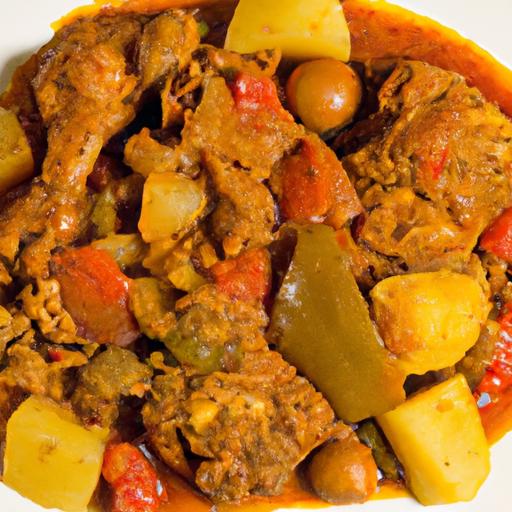
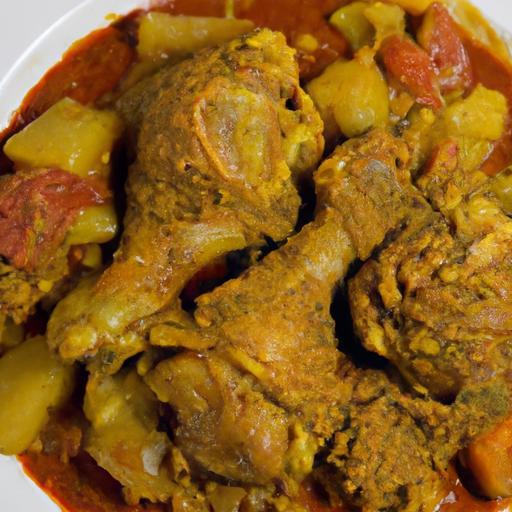
nestled within the rich tapestry of Ethiopian cuisine lies a dish that embodies warmth, tradition, and a vibrant explosion of flavors-Kulet. This beloved spicy chicken stew is more than just a meal; its a culinary journey that invites you to explore the heart of Ethiopia’s cultural heritage through its aromatic spices, tender meat, and soulful preparation. As each spoonful unfolds layers of heat and harmony, Kulet offers a captivating taste experience that transcends borders and time.Join us as we dive into the origins, ingredients, and unique cooking techniques behind this flavorful stew, uncovering the story of Ethiopian Kulet-where every bite tells a story of spice, spirit, and sustenance.
Ethiopian Kulet: A Flavorful Journey into Spicy Chicken Stew
Ethiopian Kulet is a vibrant celebration of tradition and spice, inviting you to savor the bold flavors that have long defined Ethiopian cuisine. This spicy chicken stew combines fragrant herbs and fiery heat, telling a rich story through every simmer. Rooted deeply in Ethiopian culinary history,Kulet is more than just a meal-it’s a communal experience that brings families and friends together around the table,sharing warmth and hospitality in every bite.
Prep and Cook Time
- Preparation: 20 minutes
- cooking: 45 minutes
- Total Time: 1 hour 5 minutes
Yield
Serves 4 generous portions
Difficulty Level
Medium – perfect for home cooks ready to explore complex spice blends with approachable steps.
Key Ingredients That Define the richness of Kulet
The secret to an authentic Ethiopian Kulet lies in its vibrant spice mix and fresh ingredients that layer complex flavors:
- Chicken thighs - ideally bone-in for maximum flavor and moisture
- Niter kibbeh – a conventional Ethiopian spiced clarified butter infused with garlic, ginger, and herbs
- Berbere spice blend – a fiery mix of chili peppers, fenugreek, cumin, coriander, and more that ignites the dish
- Yellow onions – slowly caramelized to sweeten and deepen the stew’s base
- Fresh garlic and ginger – foundational aromatics for warmth and pungency
- Tomato paste - adds body and a subtle tang
- Chicken broth – creates a rich liquid base, essential for tenderizing the meat
Mastering the art of Balancing Heat and Flavor in Kulet
striking the right balance between heat and flavor is a delicate art that defines a memorable Ethiopian Kulet. The berbere spice blend delivers a distinctive heat that should never overpower. To master this balance, start by toasting the spices gently in niter kibbeh, allowing the aromas to bloom without burning. The slow caramelization of onions offers a natural sweetness that mellows the fiery elements. Adding tomato paste gradually helps create a silky texture and subtle acidity that cuts through the richness. Taste frequently and adjust the berbere and salt levels to suit your preferred spice tolerance.
Ingredients
- 1.5 lbs bone-in chicken thighs, skin removed, trimmed
- 3 tbsp niter kibbeh (Ethiopian spiced clarified butter)
- 2 medium yellow onions, finely chopped
- 4 cloves garlic, minced
- 2 tbsp fresh ginger, grated
- 3 tbsp berbere spice blend
- 2 tbsp tomato paste
- 1 ½ cups chicken broth (low-sodium preferred)
- Salt to taste
- Fresh cilantro or parsley for garnish
Instructions
- Prepare the chicken: Pat the chicken thighs dry with paper towels. Season lightly with salt.
- Caramelize onions: Heat niter kibbeh in a large pot over medium heat. Add chopped onions and sauté until golden brown, about 10-15 minutes, stirring frequently to prevent burning.
- Add garlic and ginger: Stir in the minced garlic and grated ginger; cook for 2 minutes until fragrant, stirring constantly.
- Bloom the spices: sprinkle in the berbere spice blend, stirring continuously for 1-2 minutes, releasing the aroma without letting it scorch.
- Incorporate tomato paste: Add tomato paste and fold it into the mixture,allowing it to cook for 3 minutes to reduce any raw tang.
- Cook the chicken: Nestle the seasoned chicken thighs into the pot, turning once to coat with the spiced onion mixture. Let them brown lightly,4-5 minutes each side.
- Add broth and simmer: Pour in chicken broth to just cover the chicken. Bring to a gentle boil, then reduce heat to low, cover, and simmer for 30 minutes, until chicken is tender and sauce is thickened.
- Adjust seasoning: Taste and add salt if needed. For extra heat, sprinkle a pinch more berbere.
- Serve: Garnish with freshly chopped cilantro or parsley and serve hot alongside traditional injera or steamed rice.
Chef’s Notes
- For a deeper smoky flavor, try adding a small amount of smoked paprika alongside berbere.
- Niter kibbeh can be challenging to find outside of Ethiopian markets, but unsalted butter infused with garlic, ginger, and cardamom makes a decent homemade substitute.
- To make ahead, prepare the stew and refrigerate overnight-the flavors will intensify beautifully. Reheat gently before serving.
- If you prefer less heat, reduce the berbere by half and add a pinch of mild paprika.
- For an extra layer of texture, add sliced red bell peppers during the last 10 minutes of simmering.
Serving Suggestions and Pairings to Elevate Your Kulet Experience
Enhance the Ethiopian Kulet experience by serving it authentically with soft, spongy injera, a sourdough flatbread perfect for scooping up the stew’s rich sauce. Alternatively, fluffy basmati rice or couscous can absorb the savory juices beautifully.
A side of gomen (Ethiopian collard greens) or a fresh tomato and cucumber salad brings brightness to balance the stew’s warmth.Garnish with fresh herbs and a dollop of plain yogurt or a squeeze of lemon to add cooling contrast.

| Nutrient | per Serving |
|---|---|
| Calories | 380 |
| Protein | 35g |
| Carbohydrates | 8g |
| Fat | 22g |
For those eager to explore more vibrant Ethiopian dishes,check out our Doro Wat recipe. Learn about the spices and techniques that make Ethiopian cuisine so captivating. For further reading on Ethiopian culinary history and spices, visit Britannica’s ethiopian Cuisine Overview.
Q&A
Q&A: ethiopian Kulet – A Flavorful Journey into Spicy Chicken Stew
Q1: What exactly is Ethiopian Kulet?
A1: Ethiopian Kulet is a vibrant and aromatic chicken stew that hails from the rich culinary traditions of Ethiopia. It’s renowned for its bold spices, tender chicken, and a depth of flavor that strikes a perfect balance between heat and savory goodness. Think of it as a warm, spicy hug in a bowl, showcasing Ethiopia’s love for complex, layered flavors.
Q2: What makes Kulet different from other chicken stews?
A2: Kulet stands out because of its signature blend of Ethiopian spices-such as berbere, a fiery red pepper mixture, and niter kibbeh, a clarified butter infused with herbs and spices. Unlike typical stews, Kulet is slow-cooked to allow every spice to bloom fully, creating a stew that’s not just spicy but also deeply aromatic, earthy, and truly multi-dimensional.
Q3: What ingredients are essential for an authentic Kulet?
A3: The soul of Kulet lies in a few key ingredients: chicken (usually bone-in for richness), onions, garlic, ginger, berbere spice mix, niter kibbeh, tomatoes, and sometimes a splash of Ethiopian red wine or tej (honey wine). Each ingredient plays a role in building that unforgettable flavor profile,with berbere and niter kibbeh being the true stars.
Q4: Is Kulet very spicy?
A4: Kulet is definitely spicy,but it’s not just heat for heat’s sake. The spice comes from berbere,which is a complex combination of chili peppers,garlic,fenugreek,ginger,and more. The heat is balanced by the richness of niter kibbeh and the mellow sweetness of slow-cooked onions,so the spice elevates rather than overwhelms the dish.
Q5: How is Kulet typically served in Ethiopian culture?
A5: Traditionally, Kulet is served atop injera-a sourdough flatbread with a spongy texture.Diners tear off pieces of injera and use it to scoop up the stew, combining textures and flavors in every bite. It’s a communal, hands-on dining experience that fosters sharing and connection.
Q6: Can Kulet be adapted for different dietary preferences?
A6: Absolutely! While chicken is standard, many cooks create vegetarian or vegan versions by substituting with hearty vegetables like mushrooms or lentils, and using oil in place of niter kibbeh. The key is to keep the spices authentic so the dish maintains its signature soulful flavor.
Q7: Why should food lovers try ethiopian Kulet?
A7: Ethiopian Kulet is more than just a stew-it’s a culinary journey into Ethiopia’s history, culture, and palate. For food enthusiasts craving something vibrant, spicy, and deeply satisfying, Kulet offers an exciting and authentic taste experience that’s both comforting and adventurous.
Q8: Where can one experience authentic Ethiopian Kulet outside Ethiopia?
A8: Many Ethiopian restaurants worldwide serve Kulet on their menu, often accompanied by traditional sides like injera and tibs. Exploring these eateries is a great way to dive into Ethiopian cuisine. Plus, with a bit of spice and patience, you can try making Kulet at home, embracing the full sensory adventure it brings.
Final Thoughts
as the aromatic spices of Ethiopian Kulet linger on your palate, you’ve not only tasted a dish but embarked on a flavorful voyage through ethiopia’s rich culinary heritage. This vibrant spicy chicken stew, with its bold blend of berbere and slow-simmered goodness, invites you to explore the heart of a culture where food is both celebration and storytelling. Whether you savor it with traditional injera or alongside your favorite sides, Kulet remains a vivid reminder that a single dish can carry the warmth of community, history, and the irresistible allure of spice. So next time you’re ready to awaken your taste buds,let Ethiopian Kulet be your guide on a delicious journey worth savoring again and again.