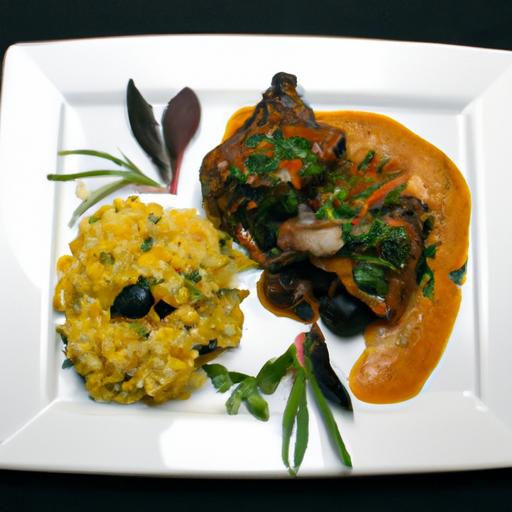
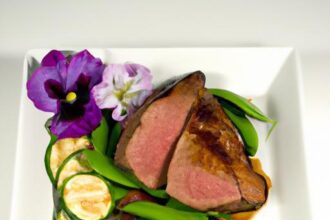
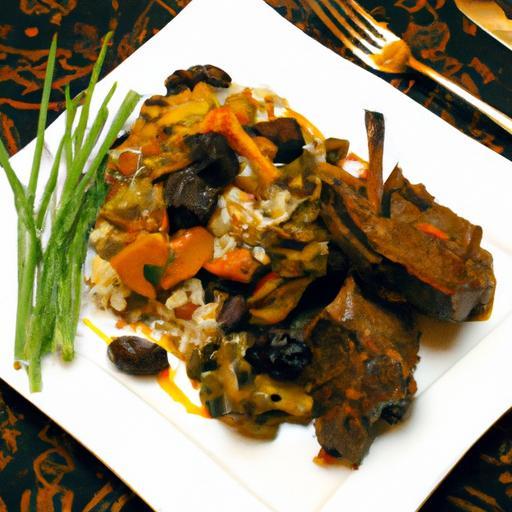
Lamb Dishes define the culinary soul of North Africa, and Lamb Dishes remain central to celebrations, family meals, and everyday cooking. Across the region, Lamb Dishes showcase how spices, slow cooking, and tradition elevate simple ingredients. Exploring Lamb Dishes reveals why Lamb Dishes have endured for centuries, connecting people to land and heritage. From festive tables to home kitchens, Lamb Dishes continue to symbolize generosity, flavor, and cultural identity, making Lamb Dishes essential to understanding North African cuisine.
Lamb Dishes carry history in every bite, and Lamb Dishes express regional character through varied techniques and spice blends. Whether braised, roasted, or simmered, Lamb Dishes demonstrate remarkable versatility, proving why Lamb Dishes are cherished across Morocco, Tunisia, and Algeria. By savoring Lamb Dishes, cooks and food lovers alike experience how Lamb Dishes unite tradition and taste. Ultimately, Lamb Dishes remain the cornerstone of North African gastronomy, preserving stories, customs, and flavor through timeless Lamb Dishes.
Signature Spices and Aromatics That Define regional Flavors
The hallmark of North African lamb delicacies lies in their signature blend of spices and aromatics. cumin,coriander,cinnamon,turmeric, and ground ginger form the base of most flavor profiles,imbuing the meat with warm,earthy notes. Fresh herbs like cilantro and mint add brightness, while the subtle heat from harissa or smoked paprika creates layers of complexity.
Preserved lemons and olives, staples of Moroccan cuisine, bring a tangy, briny contrast that elevates lamb to new savory heights. Meanwhile, Tunisian and algerian recipes often highlight dried fruits such as apricots or raisins to balance the spices with a gentle sweetness. The interplay of thes ingredients forms the essence of what makes these dishes unforgettable.
Traditional Cooking Techniques That Bring Lamb to Life
Slow cooking is integral to unlocking the rich tenderness of lamb found throughout North Africa. Weather simmering in a sealed earthenware tagine or grilling over charcoal embers, each method accentuates different textures and depths of flavor. The tagine’s gentle heat allows spices and aromatics to marry beautifully, resulting in succulent meat that melts onto the tongue.
Another beloved method is spit roasting, especially popular in festive occasions where lamb takes center stage, basted with fragrant marinades and spices.This hands-on approach requires patience and attentiveness but yields a crisp exterior with juicy, flavorful meat inside. Braising and stewing also feature prominently, often incorporating root vegetables and pulses to round out the dish.
Must-Try Lamb Dishes and Where to Experience Them
Among the constellation of North African lamb specialties, few stand out like Moroccan Lamb Tagine with Prunes, a show-stopping dish defined by its sweet and savory dance. In Tunisia, Lamb Couscous, topped with spicy harissa and vegetables, embodies communal feasting and tradition. Algeria offers the hearty Méchoui, roasted whole and served during special celebrations.
Exploring local markets or savoring meals in traditional riads and family-run eateries breathes life into these dishes far beyond the kitchen. For the passionate cook, recreating these recipes at home is a gateway into the authentic spirit and history of North African cuisine, enriching the palate and soul alike.
Lamb Tagine with Prunes and Almonds: A Classic Recipe
Prep and Cook Time
Preparation: 25 minutes | Cooking: 2 hours 15 minutes | Total: 2 hours 40 minutes
Yield
Serves 6 generously
Difficulty Level
Medium
Ingredients
- 2 lbs (900g) lamb shoulder, cut into 2-inch cubes
- 2 tbsp olive oil
- 1 large onion, finely sliced
- 4 cloves garlic, minced
- 1 tsp ground cumin
- 1 tsp ground ginger
- 1 tsp ground cinnamon
- 1 tsp paprika
- ½ tsp turmeric
- 1 cup prunes, pitted
- ½ cup blanched almonds, toasted
- 2 cups beef or lamb broth
- 1 preserved lemon, rinsed and thinly sliced
- ½ cup chopped fresh cilantro
- Salt and freshly ground black pepper, to taste
- 1 tbsp honey
Instructions
- Heat olive oil in a heavy-bottomed tagine or Dutch oven over medium heat. Brown the lamb cubes in batches until golden on all sides. Remove and set aside.
- In the same pot,sauté onions and garlic until translucent and fragrant,about 5 minutes,stirring frequently to avoid burning.
- Add spices: cumin, ginger, cinnamon, paprika, and turmeric. Toast gently for 1 minute to release their aroma.
- Return the lamb to the pot. season with salt and pepper, then stir to coat the meat evenly with the spice and onion mixture.
- Pour in the broth, bringing the liquid to a gentle simmer. Cover and cook on low heat for 1 hour 30 minutes or until the lamb is tender. Stir occasionally to prevent sticking.
- Stir in the prunes, preserved lemon slices, and honey. Continue cooking, uncovered, for another 20-30 minutes, allowing the sauce to thicken.
- Toast almonds in a dry pan over medium heat until golden, about 3-4 minutes, shaking the pan frequently. Sprinkle almonds and fresh cilantro over the cooked tagine.
- Serve hot with fluffy couscous or warm crusty bread.
Tips for Success
- Spice adjustments: Customize heat levels by adding harissa or cayenne if desired.
- Make ahead: The flavor intensifies when refrigerated overnight; reheat gently before serving.
- Cut selection: Use well-marbled cuts like shoulder or shanks for the best tenderness.
- Choice dried fruits: Experiment with apricots or dates for variation.
Serving Suggestions
This dish shines when paired with delicate fluffy couscous or warm, buttery flatbreads. garnish with fresh mint leaves and a drizzle of good-quality extra virgin olive oil to enhance the vibrant flavors. A side of roasted seasonal vegetables or a crisp green salad provides contrast, balancing the richness of the lamb.
| Nutrient | Per Serving |
|---|---|
| Calories | 520 kcal |
| Protein | 38 g |
| Carbohydrates | 22 g |
| Fat | 32 g |

Discover more about the interesting spices and cooking tips that bring these flavors to life in our in-depth guide to North African culinary traditions.
Q&A
Q&A: Savoring North Africa - The Rich World of Lamb Dishes
Q1: What makes lamb a staple in North African cuisine?
A1: Lamb holds a beloved place in North African kitchens due to the region’s pastoral traditions and the animal’s adaptability to arid climates. Its rich, tender meat absorbs the bold spices and herbs characteristic of the region’s cooking, creating dishes that are hearty, flavorful, and deeply rooted in cultural heritage.
Q2: Which North African countries are most famous for their lamb dishes?
A2: Morocco, Algeria, Tunisia, and Libya each have their unique spin on lamb, with Morocco frequently enough stealing the culinary spotlight. From moroccan tagines slow-cooked with dried fruits and almonds, to Algerian mechoui-roasted whole lamb celebrated at festive gatherings-the diverse approaches reflect the vibrant tapestry of North African flavors.
Q3: What spices and ingredients define North African lamb dishes?
A3: The aromatic profile is a mesmerizing blend-cumin, coriander, cinnamon, saffron, and ras el hanout (a complex spice mix) are stars on the stage. These are often paired with ingredients like preserved lemons,olives,harissa (a fiery chili paste),dried fruits,nuts,and fresh herbs,creating layers of sweet,savory,spicy,and tangy notes.
Q4: Can you describe a classic North African lamb dish?
A4: Take the iconic Moroccan lamb tagine as a quintessential example. Tender lamb shanks braised with a medley of spices, dried apricots, and honey in a conical clay pot-called a tagine-allowing steam to circulate slowly. The result? A luscious,melt-in-your-mouth dish that’s both comforting and exotic.
Q5: How is lamb traditionally prepared and served in North African culture?
A5: Preparation frequently enough involves marinating lamb to infuse it with spices before slow cooking methods that emphasize tenderness. Communal eating is central-dishes are often shared family-style,eaten with freshly baked bread like khobz,encouraging conviviality and celebration of togetherness.
Q6: Are there lamb dishes unique to special occasions?
A6: Absolutely. In many North African cultures, lamb is the centerpiece of celebrations such as eid al-Adha, weddings, and other festivities. Such as, mechoui-whole spit-roasted lamb-is a ceremonial dish that symbolizes generosity and the joy of gathering.
Q7: How can someone outside North Africa enjoy these lamb flavors at home?
A7: Start by experimenting with key spices like cumin, coriander, and cinnamon. Slow-cooking tougher cuts like lamb shoulder or shanks with dried fruits and preserved lemons can bring authentic flavors. Using a tagine pot is ideal but not essential-heavy-bottomed pots or slow cookers work well too.Don’t forget the bread for scooping!
Q8: What cultural stories do North African lamb dishes tell?
A8: Each dish is a flavorful narrative of the region’s history and diversity-reflecting Berber, Arab, Mediterranean, and Ottoman influences. The mingling of spices mirrors centuries of trade and cultural exchange, while the communal meals echo the importance of family, hospitality, and tradition.
Q9: Why is exploring north African lamb dishes important for culinary enthusiasts?
A9: Delving into these dishes is like opening a treasure chest of history, culture, and sensory delight. It challenges the palate with new flavor combinations and celebrates an age-old relationship between people and their land. For food lovers, it’s an invitation to savor not just a meal, but a rich heritage.
Q10: Where can one experience authentic North African lamb cuisine?
A10: Beyond the vibrant street markets and restaurants of Marrakech,Tunis,or Algiers,many cities worldwide boast North African eateries where traditional lamb recipes are lovingly prepared. For those unable to travel, home cooking and specialty spice shops provide a gateway to this rich culinary world.
Final Thoughts
As we close the chapter on the vibrant tapestry of North African lamb dishes, it’s clear that each bite is a journey-woven with fragrant spices, ancient traditions, and the warmth of shared meals. From the slow-cooked lamb tagines of Morocco to the fiery kebabs of Tunisia and the hearty stews of Algeria, these dishes do more than nourish the body; they tell stories of culture, history, and community. To savor North Africa’s lamb is to embrace a culinary heritage that continues to captivate palates and hearts around the world-inviting us all to explore, appreciate, and celebrate the rich flavors that define this remarkable region.