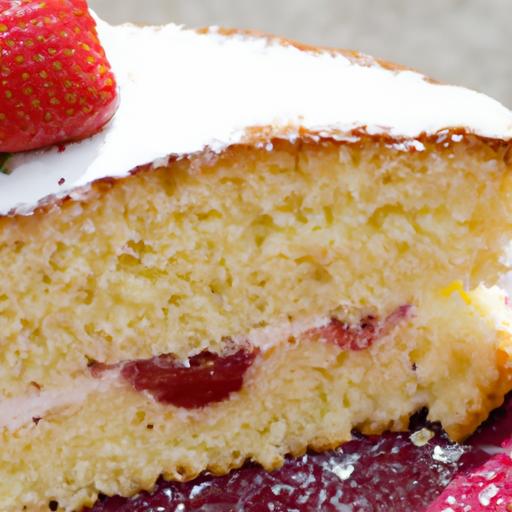
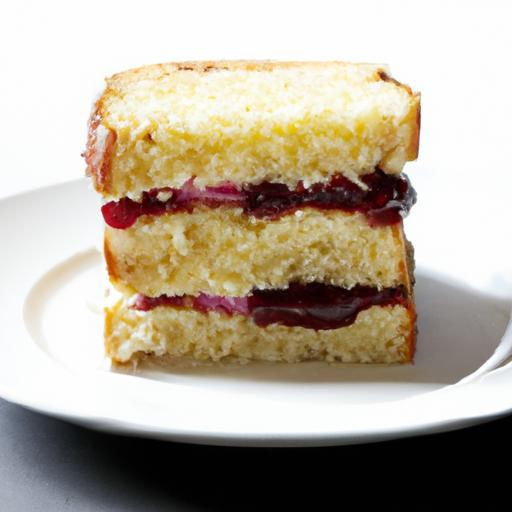
Few cakes embody the heart of British baking quite like Mary Berry’s Victoria Sponge. A timeless classic, this humble yet elegant creation has graced teatables for generations, its light, airy texture and delicate layers of jam and cream evoking a warm sense of nostalgia. Celebrated for its simplicity and flawless balance, Mary Berry’s Victoria Sponge is more than just a recipe-it’s a cherished tradition that brings together families, friends, and a shared love for quintessentially British teatime. In this article, we’ll explore the origins, secrets, and step-by-step guide to mastering this iconic cake, ensuring that you too can recreate a slice of British heritage in your own kitchen.
Mary Berry’s Victoria Sponge batter is a celebration of British baking heritage, known for its delicate crumb and light, airy texture. This classic cake, named after Queen Victoria herself, is a timeless treat that balances simplicity with elegance. From the first fluffy bite to the subtly sweet layers joined by luscious jam and cream, mastering this recipe feels like embracing a warm, nostalgic hug from the heart of England. Whether you’re an aspiring baker or a seasoned pro, this guide will inspire you to perfect each step with confidence and flair.
Prep and Cook Time
Planning: 20 minutes
Cooking: 25-30 minutes
Total: 50 minutes
Yield
Serves 8 generously sized slices
Difficulty Level
Easy to Medium – perfect for bakers seeking that classic, foolproof Victoria Sponge
Ingredients
- 225g unsalted butter, softened
- 225g caster sugar
- 4 large free-range eggs, room temperature
- 225g self-raising flour, sifted
- 2 tsp baking powder
- 2 tbsp whole milk
- 1 tsp pure vanilla extract
- For filling: 150g strawberry jam (preferably homemade or seedless)
- Whipped double cream or clotted cream, about 200ml
- Icing sugar, for dusting
Step by Step Guide to Achieving the Classic Light and Airy Texture
- Preheat your oven to 180°C (350°F) fan/gas mark 4. Grease two 20cm (8-inch) round cake tins and line the bases with parchment paper to prevent sticking.
- cream together the butter and caster sugar in a large mixing bowl until pale, fluffy, and light in texture – this aeration is key to your sponge’s lift. Use an electric mixer on medium speed, about 4-5 minutes.
- Beat in the eggs, one at a time, ensuring each egg is fully incorporated before adding the next. If the mixture begins to curdle, add a spoonful of the sifted flour to bring it back together smoothly.
- Sift the self-raising flour and baking powder together to evenly distribute the leavening agent, then gently fold them into the wet batter using a large metal spoon or spatula. Use a folding motion to preserve the air bubbles essential for that light texture.
- Gently stir in the milk and vanilla extract, balancing moisture for a tender crumb without weighting down the batter.
- Divide the mixture evenly between the prepared tins, smoothing the tops with the back of a spoon or an offset spatula-this helps create an even surface for stacking later.
- Bake for 25-30 minutes until the cakes are golden and spring back lightly when touched. Use a skewer inserted in the center; it should come out clean.
- Cool the cakes in their tins for 10 minutes before turning out onto wire racks to cool completely. Patience here ensures the filling won’t melt and the layers won’t slip.
- Once cooled,spread a generous layer of strawberry jam over one sponge layer,followed by a thick layer of whipped cream or clotted cream.
- Sandwich the second sponge on top and dust the crown with a delicate veil of icing sugar for a quintessential finish.
Expert Tips for Decorating and serving Your Victoria Sponge Like a Pro
- Keep it classic: Use a fine sieve to dust the icing sugar evenly, creating that iconic soft white top synonymous with Mary Berry’s style.
- Seasonal Garnishes: Fresh strawberries, raspberries, or edible flowers add a fresh, elegant touch without overpowering the cake’s simplicity.
- Chill before slicing: Allowing the cake to rest in the fridge for 30 minutes firms up the cream filling and makes clean slicing effortless.
- Storage advice: Best enjoyed the same day to keep the sponge moist, but can be loosely covered and refrigerated overnight. Bring to room temperature before serving for optimal flavor.
Chef’s Notes
- Ingredient swaps: If self-raising flour isn’t available, combine 225g plain flour with 2 tsp baking powder for similar results.
- Egg temperature: always use room temperature eggs to ensure your batter emulsifies evenly and traps maximum air.
- Jam alternatives: Raspberry or apricot jams provide delightful flavor twists without overpowering.
- Make ahead: Bake the sponge layers a day in advance and refrigerate wrapped tightly to enhance flavor and ease assembly on serving day.
- Texture tweaks: For a denser cake, reduce the baking powder slightly; for more lift, ensure thorough creaming of sugar and butter.
Serving Suggestions
Present your Victoria Sponge on a pristine white cake stand for a truly British teatime appeal. Serve alongside a pot of freshly brewed English Breakfast tea or fragrant earl Gray to elevate the experience. For celebratory events, compliment with delicate macarons or a berry compote on the side.Garnish with fresh mint leaves or edible rose petals for a charming, photo-worthy display - perfect for sharing on social media or impressing your guests.

| Nutritional data (per slice) | Calories | Protein | Carbs | fat |
|---|---|---|---|---|
| Victoria Sponge Serving | 320 kcal | 5 g | 40 g | 15 g |
For more on traditional British cakes and tips, explore our Classic British Cake Recipes collection. For the science behind baking the perfect sponge, the British Baking Association provides invaluable expert insights.
Q&A
Q&A: Mary Berry’s Victoria Sponge – A Timeless British Classic Recipe
Q: Who is Mary Berry, and why is her Victoria Sponge recipe so revered?
A: Mary Berry is a beloved British baking icon, cherished for her approachable yet exquisitely reliable recipes. Her Victoria Sponge is celebrated because it captures the essence of this classic cake perfectly-light, fluffy, and lovingly traditional. Mary’s precise techniques and simple ingredients make the recipe accessible for both novice bakers and seasoned pros, ensuring consistent, appetizing results every time.
Q: What makes a Victoria Sponge a quintessential British cake?
A: The Victoria Sponge is more than just a cake; it’s a symbol of British teatime tradition. Named after Queen Victoria herself, who famously enjoyed a slice with her afternoon tea, this cake embodies elegance in its simplicity: two airy sponge layers sandwiched together with fresh jam and whipped cream or buttercream. It’s a true classic that brings a warm, nostalgic slice of Britain to the table.Q: What are the key ingredients in Mary Berry’s Victoria Sponge?
A: Mary Berry sticks to the essentials: fresh eggs, caster sugar, self-raising flour, and unsalted butter form the sponge’s foundation. The filling is traditionally raspberry or strawberry jam paired with a generous layer of whipped double cream or buttercream, delivering a perfect balance of sweetness and richness.
Q: How does Mary Berry ensure the sponge is perfectly light and fluffy?
A: The secret lies in technique. Mary emphasizes thorough creaming of the butter and sugar to incorporate air, using room-temperature ingredients, and carefully folding in the flour to maintain the delicate texture. She also advises dividing the batter evenly between two tins to ensure even baking, creating that signature, tender crumb.
Q: Can Mary Berry’s recipe be adapted for dietary restrictions or modern twists?
A: Absolutely! While traditionalists swear by mary’s classic version, many home bakers experiment with gluten-free flours or dairy-free substitutes, maintaining the core principles of the recipe. Some add a citrus zest to the batter for a fresh twist or swap out jam flavors to suit personal tastes-all while preserving the spirit of the original Victoria Sponge.
Q: Why does Mary Berry’s Victoria Sponge remain popular in the age of elaborate desserts?
A: in a world of culinary extravagance,Mary Berry’s Victoria Sponge stands firm as a comforting,unpretentious reminder of baking’s simple pleasures. Its timeless appeal lies in the harmony of modest ingredients crafted with care, offering a slice of British heritage that feels both familiar and refined. This cake is more than dessert-it’s a tradition passed down thru generations.
Q: What tips does Mary Berry give for serving the perfect Victoria Sponge?
A: Mary suggests serving the cake on a beautiful plate, dusted lightly with icing sugar for that extra dainty touch. Pair it with a proper pot of English tea, and invite friends or family to share-it’s best enjoyed surrounded by good company. She also recommends preparing the cake a few hours ahead to allow the flavors to meld beautifully.
Q: Where can readers find mary Berry’s Victoria Sponge recipe?
A: The recipe is widely available in Mary Berry’s cookbooks, such as Baking Bible and Complete Cookbook, and also on her official website. Baking enthusiasts can also find tutorials and videos that showcase Mary’s step-by-step guidance, making it easier than ever to recreate this British baking classic at home.
To Conclude
In the world of British baking, Mary Berry’s Victoria Sponge stands as a shining testament to simplicity and elegance. This timeless classic not only captures the essence of traditional teatime but also invites bakers of all levels to create something truly special. Whether you’re a seasoned pastry pro or a curious novice, mastering this iconic recipe connects you to a rich heritage of flavor and finesse. So, next time you whisk together eggs and sugar or carefully spread that luscious jam and cream, remember: you’re not just baking a cake-you’re carrying forward a delicious piece of British culinary history.