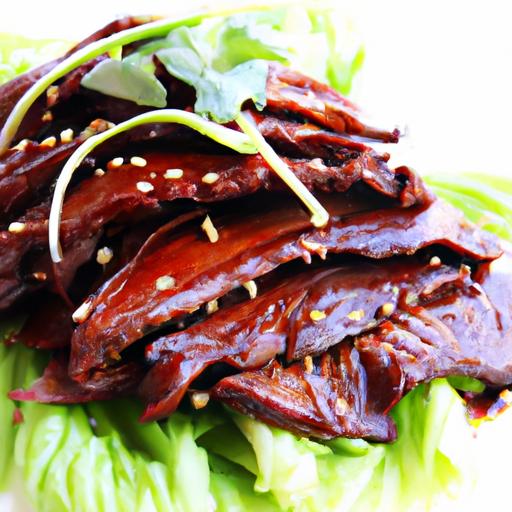
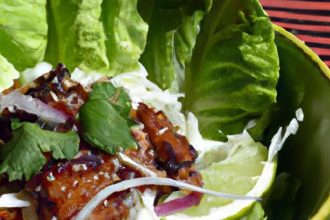
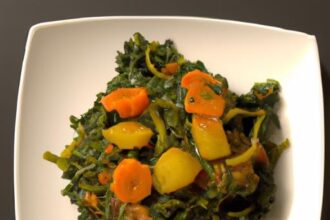
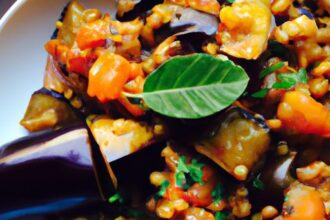
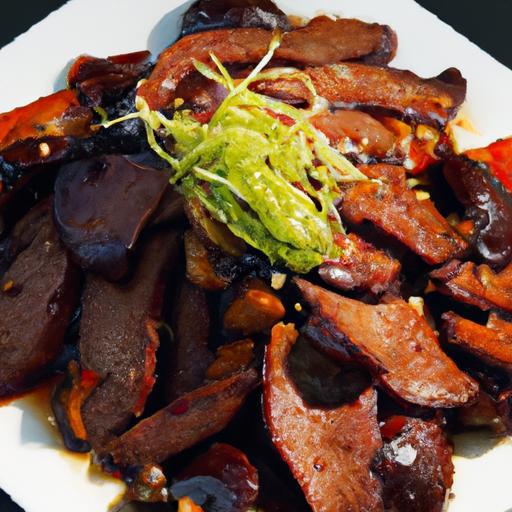
There’s an unmistakable magic in the crackling skin of perfectly roasted Chinese dishes-a symphony of crispness adn succulence that speaks to centuries of culinary mastery. From the iconic char siu glazed in caramelized honey to the fragrant, tender Peking duck that captivates palates worldwide, chinese roasting is an art form steeped in tradition and bursting with flavor. In this article, we invite you to embark on a savory journey to master the techniques and recipes that bring these time-honored delicacies to your table. whether you’re a seasoned cook or an adventurous foodie, discover how to unlock the secrets behind Chinese roasting and savor the irresistible tastes that have delighted generations.
Master the art of Chinese roasting begins with appreciating the centuries-old traditions that infuse each bite with unmistakable depth and cultural significance. Rooted in imperial kitchens and street hawker stalls alike, Chinese roasting techniques balance heat, smoke, and spice to create layers of crispy skin and tender meat that captivate the senses and honor heritage.
Prep and Cook Time
- Planning: 30 minutes
- Marinating: 4-6 hours (preferably overnight)
- Roasting: 45-60 minutes
Yield
- Serves 4-6 people
Difficulty level
- Medium
Ingredients
- Whole duck: 1 (about 4-5 pounds), cleaned and patted dry
- Five-spice powder: 2 teaspoons
- Sichuan peppercorns: 1 teaspoon, toasted and crushed
- Star anise: 3 whole pods
- Cloves: 4 whole
- Honey: 3 tablespoons
- soy sauce: 1/4 cup (light)
- Shaoxing wine: 2 tablespoons
- Fresh ginger: 2-inch piece, finely grated
- Garlic: 4 cloves, minced
- Hoison sauce: 2 tablespoons
- Sea salt: 1 tablespoon (coarse)
- White pepper: 1 teaspoon
- Spring onions: 3 stalks, cut into 2-inch lengths
- Water: 2 cups (for basting)
Instructions
- Prepare the skin: Using a sharp skewer or fork, prick the duck skin all over, especially the fatty parts, to help render the fat and achieve that coveted crispiness.
- Make the marinade: In a bowl, combine five-spice powder, Sichuan peppercorns, crushed star anise, cloves, soy sauce, Shaoxing wine, grated ginger, minced garlic, hoisin sauce, sea salt, and white pepper. Whisk thoroughly to a smooth paste.
- Marinate the duck: Rub the marinade evenly all over the duck, inside and out. stuff the cavity with spring onions and extra star anise pods for fragrance. Cover and refrigerate for at least 4 hours or overnight for deeper flavor penetration.
- Preheat your oven: Set the oven to 375°F (190°C). Place a rack in a roasting pan to allow air circulation around the duck.
- Blanch the skin (optional but recommended): carefully pour boiling water over the duck skin to tighten it, then pat it fully dry with paper towels.This crucial step aids in crisping the skin during roasting.
- Start roasting: Place the duck breast-side up on the rack. Roast for 25 minutes,then baste with a mixture of honey and water to encourage caramelization and shininess.
- Flip and roast: Turn the duck breast-side down and continue roasting for another 20 minutes. This allows the fat to render evenly and the skin to crisp from all angles.
- Final touch and finishing roast: flip the duck breast-side up again.Increase the oven temperature to 425°F (220°C) for the last 10-15 minutes to achieve a golden, crispy exterior without drying out the meat.
- Rest the duck: Remove from oven and let the duck rest for 10 minutes before carving. This ensures juices redistribute, resulting in succulent, tender meat.
Tips for Success
- Dry Skin is Key: Patting the duck dry and blanching the skin are basic steps for crackling perfection-skip or rush these, and the skin might stay rubbery or oily.
- Marinate Overnight: The longer resting time allows spices to deeply infuse into the meat,creating an authentic aroma and flavor profile.
- Use a Thermometer: Check for an internal temperature of 165°F (74°C) to confirm doneness, preventing undercooked or dried-out meat.
- For Extra Crispness: After roasting, briefly place the duck on a wire rack under a broiler for 1-2 minutes to further crisp the skin but watch closely to avoid burning.
- Substitutions: For a lighter option, replace duck with whole chicken, adjusting cooking times accordingly.
Serving Suggestions
Present the duck carved into thin slices to showcase the beatiful interplay of crispy skin and tender flesh. Accompany with fresh steamed white rice, sautéed bok choy, and a soy-sesame dipping sauce to complement the rich flavors. Garnish with finely sliced spring onions and a sprinkle of toasted sesame seeds to elevate the presentation and texture contrast. A side of plum sauce offers a sweet and tangy counterpoint that beautifully balances the savory roast.

| Nutrient | Per Serving |
|---|---|
| Calories | 520 |
| Protein | 38g |
| Carbohydrates | 6g |
| Fat | 38g |
Explore more conventional Chinese cooking methods and recipes by visiting our detailed Chinese Cooking Basics Guide. For a deeper dive into the cultural significance of Chinese spices, the Britannica entry on Five-Spice Powder provides an excellent overview.
Q&A
Q&A: Master the Art of Chinese Roasting: Recipes to Savor
Q1: What makes Chinese roasting uniquely tasty compared to other roasting styles?
A1: Chinese roasting is a harmonious blend of technique,marinade,and tradition. Unlike western roasting, wich often focuses on simplicity, Chinese roasting layers flavors using aromatic spices like star anise, Sichuan peppercorns, and ginger, combined with soy sauce and maltose to create that iconic caramelized, glossy skin. The result? Crispy, flavorful exteriors paired with tender, juicy meat inside-a perfect balance crafted over centuries.
Q2: Which meats are best suited for Chinese roasting?
A2: While pork and duck are iconic staples-think succulent Char Siu pork and Peking duck-Chinese roasting shines with chicken,goose,and even whole fish. Each meat responds differently to the marinade and roasting techniques, offering a diverse tableau of textures and flavors.For beginners, starting with Chinese roast chicken offers a forgiving canvas to practice the art.
Q3: How crucial is the marinade in chinese roasting, and what are its key components?
A3: The marinade is the heart and soul of Chinese roasting. It infuses the meat with deep umami and sweet-salty goodness while tenderizing it. Essential ingredients include soy sauce (light and dark), Shaoxing wine, five-spice powder, garlic, ginger, and honey or maltose syrup. The marinade not only flavors but also helps develop that signature mahogany hue during roasting.
Q4: Can I master Chinese roasting at home without professional equipment?
A4: Absolutely! though traditional Chinese roasting uses specialized ovens, home cooks can achieve remarkable results with a conventional oven or even a charcoal grill. The key is controlling heat and airflow-using a roasting rack to allow even cooking and periodically basting with marinade or maltose syrup to build that blistered skin. Patience and practice turn your kitchen into a mini Chinatown.
Q5: What are some insider tips to get that crispy, glossy skin on Chinese roast meat?
A5: The crispy skin magic happens thru several techniques: first, air-drying the meat-especially poultry-for several hours or overnight helps. Next, brushing with maltose or honey-based syrup just before and during roasting creates that shimmering glaze. Lastly, high heat at the start or end of roasting seals the skin, giving it a crackling finish that’s irresistible.
Q6: Which traditional Chinese roasting recipes should I try first?
A6: Start with the classics to build confidence:
- Char Siu (Chinese BBQ Pork): Tender, sweet, and smoky.
- Cantonese Roast Duck: Juicy with succulent meat under crispy skin.
- Soy Sauce Chicken: Simple yet deeply savory, perfect for everyday meals.
Each offers unique flavor profiles and techniques that deepen your roasting repertoire.Q7: How does Chinese roasting fit into modern cooking trends?
A7: Chinese roasting perfectly marries tradition with contemporary palate preferences-highlighting umami, balanced sweetness, and textured contrasts. It appeals to those seeking bold,authentic flavors without complicated preparations. Plus, its shareable nature fits today’s communal dining culture, making it both a culinary art and social experience.
Mastering Chinese roasting is more than following a recipe; it’s embracing centuries of culinary wisdom and turning it into mouthwatering moments. Ready to fire up your oven and savor the journey?
The way Forward
As the enticing aromas of Chinese roasting fill your kitchen, you’re not just cooking-you’re continuing a centuries-old tradition rich with flavor, technique, and heart. Mastering the art of Chinese roasting opens doors to a world where crispy skin,tender meat,and fragrant spices converge in perfect harmony. Whether you’re perfecting the golden char of Peking duck or the caramelized allure of char siu, each recipe invites you to savor more than just a meal-to experience culture on a plate. So gather your ingredients,embrace the heat,and let this ancient culinary craft transform your cooking into a delicious party of heritage and taste.