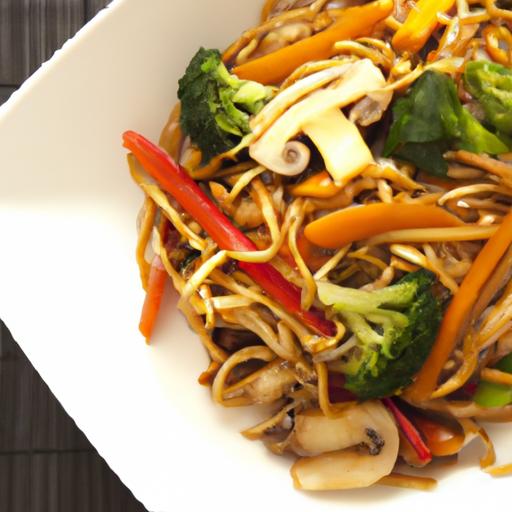
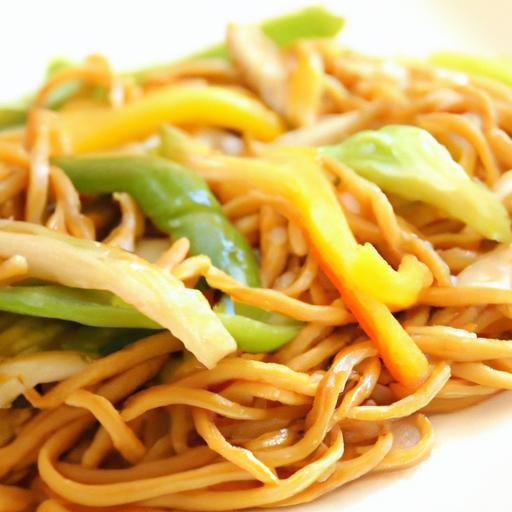
There’s something undeniably magical about the sizzle of noodles hitting a scorching-hot wok-the vibrant mix of textures, colors, and aromas that come together to create chow mein, a beloved staple of Chinese cuisine. Whether you’re a kitchen novice or a seasoned home cook, mastering the art of chow mein opens the door to a world of swift, flavorful meals that satisfy both craving and creativity. In this article,we’ll guide you through an easy stir-fried noodles recipe that captures the essence of authentic chow mein,sharing insider tips and simple techniques to help you whip up this tasty dish anytime. Get ready to transform humble noodles into a mouthwatering masterpiece that’s as fun to make as it is indeed to eat!
Master the art of Chow Mein: Easy Stir-Fried Noodles Recipe invites you on a flavorful journey into the heart of one of the most beloved Chinese dishes. Originating from Northern china, chow mein combines perfectly cooked noodles, crisp vegetables, and a harmonious sauce to deliver a symphony of texture and taste. This recipe is your gateway to creating an authentic, resturant-quality chow mein right in your kitchen, made effortlessly with fresh ingredients and essential stir-fry techniques.
Choosing the Perfect Noodles and Fresh Ingredients for Authentic flavor
Central to an unforgettable chow mein is the noodle itself. Opt for fresh egg noodles when possible – their tender bite and subtle chewiness elevate the dish dramatically. if fresh noodles aren’t available, dried chow mein noodles or even thin spaghetti can serve as suitable alternatives.Always soak dried noodles briefly in warm water until pliable but avoid over-soaking to prevent sogginess.
Fresh vegetables such as thinly sliced cabbage, bell peppers, scallions, and crunchy bean sprouts add vibrant color and a refreshing crunch.Choosing organic, crisp greens and bright aromatics like minced garlic and ginger ensures your stir-fry bursts with authentic flavors at every bite.
Essential Stir-Fry Techniques to Achieve the Ideal Texture and Taste
High heat and rapid cooking are key to mastering chow mein.Start by preheating your wok or skillet until it’s smoking hot – this sears ingredients quickly, locking in natural flavors. Stir-frying in small batches avoids overcrowding,which can steam rather than fry your food.
Toss noodles and vegetables briskly to coat them evenly with oil and sauce,allowing the noodles to develop a slight crispness on the edges while remaining tender inside. Remember to add delicate vegetables like bean sprouts at the last moment to preserve their crunch.
Crafting the Ultimate Sauce Blend for a Savory chow Mein Experience
The secret to irresistible chow mein lies in its sauce-an umami-rich balance of salty, sweet, and aromatic elements. Combining soy sauce, oyster sauce, and a hint of sesame oil creates depth, while a splash of rice wine or Shaoxing wine enhances complexity. For a subtle sweetness, add a bit of brown sugar or honey.Whisk the sauce beforehand for smooth integration, and drizzle it during the final stir-fry minutes for optimal cling and flavor burst.
Tips for Customizing Your Chow Mein with Protein and Vegetable Variations
The beauty of this recipe is its versatility. Integrate your favorite proteins-thinly sliced chicken breast, succulent shrimp, tender beef strips, or tofu cubes-to suit dietary preferences. Marinate meats briefly in soy sauce and cornstarch for tender results.
Vegetable-wise,don’t hesitate to experiment: snap peas,shiitake mushrooms,baby corn,or even bok choy can add exciting textures and nutrition. For a vegetarian-pleasant chow mein, focus on maximizing flavors with garlic, ginger, and umami-rich sauces.
Prep and Cook Time
- Prep time: 20 minutes
- Cook Time: 10 minutes
Yield
- Serves 4 generous portions
Difficulty Level
- Easy to Medium – perfect for home cooks eager to master stir-frying techniques
Ingredients
- 8 oz fresh egg noodles (or dried chow mein noodles)
- 2 tbsp vegetable oil (for stir-frying)
- 2 cloves garlic, minced
- 1 inch fresh ginger, grated
- 1 cup cabbage, thinly sliced
- 1 bell pepper, julienned
- 1 cup bean sprouts, rinsed and drained
- 3 scallions, sliced diagonally
- 200g protein of choice (chicken, shrimp, beef, or tofu), thinly sliced
- 2 tbsp soy sauce
- 1 tbsp oyster sauce
- 1 tsp sesame oil
- 1 tbsp Shaoxing wine (optional)
- 1 tsp brown sugar
- 1 tsp cornstarch (for protein marinade)
- Salt and pepper to taste
Instructions
- Prepare the noodles: If using dried noodles, soak them in warm water for 5-7 minutes until soft but not mushy. Drain well and set aside.
- Marinate protein: Toss your protein slices with soy sauce, cornstarch, and a pinch of pepper. Let rest for 10 minutes to tenderize.
- Mix the sauce: In a small bowl, whisk together soy sauce, oyster sauce, sesame oil, Shaoxing wine, and brown sugar until sugar dissolves. Set aside.
- Heat wok/skillet: Add 1 tbsp vegetable oil over high heat until shimmering and lightly smoking.
- Cook protein: Add marinated protein in a single layer and stir-fry rapidly until just cooked through and golden, about 2-3 minutes. Remove and hold.
- stir-fry aromatics: Add remaining oil, then garlic and ginger. Sauté until fragrant, about 30 seconds.
- Add veggies: Toss in cabbage and bell pepper. Stir-fry for 2-3 minutes until slightly softened but still crisp.
- Incorporate noodles: Add noodles to the wok, gently tossing to combine.Sauté for 2 minutes, allowing noodles to develop slight caramelization.
- Return protein and add sauce: Add cooked protein back to the wok, pour the sauce over, and stir everything briskly to coat.
- Finish with delicate ingredients: toss in bean sprouts and scallions last,cooking for an additional minute to maintain crunch and freshness.
- Serve promptly: Plate your chow mein with a sprinkle of toasted sesame seeds or chopped fresh cilantro for garnish.
Tips for Success
- wok vs. Skillet: Using a wok helps achieve high heat quickly; if unavailable, a large non-stick skillet works well.
- Avoid soggy noodles: Drain noodles thoroughly and add a quick flash-fry to remove excess moisture.
- Protein timing: Cook proteins separately for even cooking and then combine to avoid overcooking.
- Make ahead: Prep all ingredients in advance (mise en place) for a smooth, speedy stir-fry experience.
- Customize your sauce: Adjust sweetness, spiciness, or saltiness by tweaking sugar, chili flakes, or soy quantities.
Serving Suggestions
Serve your chow mein piping hot with a side of egg drop soup for a comforting meal. Garnish with sesame seeds, fresh cilantro, or sliced red chili for added flair. Enjoy it alongside a crisp green salad or steamed dumplings for a fuller Asian-inspired spread.
| Nutrient | Per Serving |
|---|---|
| Calories | 420 kcal |
| Protein | 28 g |
| Carbohydrates | 46 g |
| Fat | 12 g |

Want to deepen your knowledge about noodle varieties? Visit Britannica’s Chow Mein Overview for past insights and more.
Q&A
Q&A: Master the art of Chow Mein – Easy Stir-Fried noodles Recipe
Q1: What makes chow mein different from other noodle dishes?
A1: Chow mein is a vibrant Chinese stir-fried noodle dish known for its crispy yet tender texture. Unlike lo mein, which uses soft noodles tossed in sauce, chow mein noodles are stir-fried until thay develop a slight crunch, creating a delightful contrast. It’s all about balancing textures with bold, savory flavors in a sizzling wok.
Q2: Can I use any type of noodles for chow mein?
A2: While conventional chow mein uses thin egg noodles, you can get creative! Fresh or dried egg noodles work best as they hold up well during stir-frying. If you’re in a pinch, thin spaghetti or ramen noodles can substitute, but keep an eye to avoid overcooking-they won’t have quite the same chew.
Q3: what’s the secret to perfect stir-fried noodles that aren’t soggy or greasy?
A3: The key is prep and timing. Parboil your noodles just until tender, then rinse under cold water to halt cooking and remove excess starch. Stir-fry your veggies and proteins separately, then toss the noodles quickly in a hot, oiled wok.Keep the heat high and stir often-this locks in texture without soaking up too much oil or sauce.
Q4: Which vegetables and proteins pair best in chow mein?
A4: The beauty of chow mein lies in its versatility.Classic combos include crunchy bean sprouts, julienned carrots, snap peas, and green onions. For protein, try tender chicken strips, juicy shrimp, or firm tofu. This recipe embraces balance-mix colors,textures,and flavors for a truly satisfying meal.Q5: How do I make the chow mein sauce flavor-packed but not overpowering?
A5: A harmonious chow mein sauce balances salty, savory, sweet, and umami notes. Soy sauce forms the base, complemented by oyster sauce or hoisin for depth. A hint of sugar or honey adds sweetness,while a touch of sesame oil brings aromatic richness. add garlic,ginger,and a splash of rice wine vinegar or Shaoxing wine to round out the layers.Q6: Can I prepare chow mein ahead of time?
A6: Definitely! You can cook the noodles and chop the veggies in advance.Store them separately to keep textures fresh. however, for best results, stir-fry everything just before serving-this preserves the signature crispness and vibrant flavors. Leftovers reheat well too; a quick toss in a hot pan refreshes the noodle magic.
Q7: Any tips for making chow mein at home feel restaurant-quality?
A7: Absolutely! Invest in a good wok or a large, heavy skillet to ensure even heat. Don’t overcrowd the pan-stir-fry in batches if needed. Use high heat and toss ingredients quickly to get that authentic wok hei-“breath of the wok”-flavor.Lastly, don’t be shy with fresh aromatics like garlic, ginger, and scallions; they’re the soul of a great chow mein.
Dive into this easy stir-fried noodles recipe, and you’ll soon master the art of chow mein-a wholesome, speedy, and endlessly delicious dish!
In Conclusion
As the sizzle of the wok quiets and the fragrant aroma of your perfectly tossed chow mein fills the air, you’ve not onyl crafted a delicious meal-you’ve embraced a timeless culinary tradition. Mastering the art of chow mein is more than just following a recipe; it’s about understanding the harmony of textures, flavors, and technique that bring this beloved dish to life. With this easy stir-fried noodles recipe in your kitchen arsenal, you’re now equipped to recreate that satisfying crunch and savory bite any day of the week. So go ahead-ignite your stovetop,gather your favorite fresh ingredients,and let each stir and toss carry you closer to chow mein mastery. Your taste buds (and hungry guests) will thank you.