Step beyond teh kitchen door and into a world where flavors awaken, techniques intertwine, and passion for food transforms into mastery.”Master the Art of Cooking: Inside an English Culinary School” invites you on an immersive journey through the heart of England’s most renowned cooking academies. Here, timeless traditions meet innovative practices, and novice cooks evolve into confident chefs under the guidance of seasoned professionals. Whether you’re a curious beginner or an aspiring culinary artist, discover how these schools blend history, culture, and cutting-edge skills to ignite the creative spirit in every dish. Prepare to unravel the secrets behind perfectly balanced flavors and exquisite presentations-welcome to the classroom where cooking becomes an art.
Master the Art of Cooking: Inside an English Culinary School begins with understanding the very foundation of flavor building-a skill that transforms simple ingredients into memorable dishes. Today, let’s explore a classic British favorite, Beef & Ale Stew, a dish that captures the heart and soul of conventional and modern British cuisine. This stew not onyl embodies centuries of culinary heritage but also provides an excellent canvas for honing essential kitchen techniques covered during expert instruction sessions. Whether you are a novice or looking to refine your skills, this recipe will guide you through hands-on training in essential cooking steps and introduce you to innovative culinary methods that elevate everyday cooking.
Prep and Cook Time
- Readiness Time: 20 minutes
- Cooking Time: 2 hours
- Total Time: 2 hours 20 minutes
Yield
- Serves 4 hearty portions
Difficulty level
- Medium
Ingredients
- 1.5 lbs (700g) beef chuck, cut into 1.5-inch cubes
- 2 tbsp plain flour, sifted
- 2 tbsp vegetable oil
- 1 large onion, finely sliced
- 3 large carrots, peeled and chopped into chunks
- 2 cloves garlic, minced
- 2 cups British ale (preferably a robust bitters like London Pride)
- 2 cups beef stock, homemade or low-sodium
- 2 sprigs fresh thyme
- 1 bay leaf
- 1 tbsp tomato purée
- Salt and freshly ground black pepper, to taste
- Fresh parsley, finely chopped for garnish
instructions
- Prepare the beef: Toss the beef cubes in flour seasoned lightly with salt and pepper. This step helps brown the meat beautifully and thickens the stew later.
- Brown the meat: Heat the vegetable oil in a large heavy-bottomed pot over medium-high heat. Add the beef in batches, ensuring not to overcrowd the pot. Sauté until golden brown on all sides,about 5-7 minutes per batch. Remove and set aside.
- Sauté aromatics: Lower the heat to medium, add the sliced onion and cook until soft and translucent, about 8 minutes. Stir frequently to avoid browning the onions too much. Add garlic for the last minute.
- Deglaze and flavor build: Stir in the tomato purée, cooking it out for 2 minutes to deepen its flavor. Pour in the ale,scraping the bottom of the pot to lift all those caramelized bits – this is where depth of flavor develops.
- Add beef and stock: Return the browned beef to the pot along with carrots, thyme, bay leaf, and beef stock. Bring to a gentle simmer, cover loosely, and cook on low heat for 1.5 to 2 hours until the beef is tender and the sauce is rich and thickened. Stir occasionally to prevent sticking.
- Final seasoning: Remove thyme sprigs and bay leaf. Taste and adjust seasoning with salt and pepper as necessary.
- Garnish and serve: Sprinkle chopped fresh parsley over the stew and serve hot, ideally with creamy mashed potatoes or crusty artisan bread.
Chef’s Notes
- ingredient Variations: Swap beef chuck with lamb shoulder for a different, equally rich twist. For a richer sauce, add a splash of Worcestershire sauce or a teaspoon of marmite during cooking.
- Make-Ahead Tip: This stew tastes even better the next day as flavors meld beautifully. Reheat gently on the stovetop with a splash of stock to loosen thickness if needed.
- Common Pitfall: Avoid boiling the stew vigorously; maintain a gentle simmer to keep the meat tender and prevent toughening.
- Modern Touch: Using an immersion blender, purée a small portion of the stew to naturally thicken the sauce without adding extra flour or cornstarch.
serving Suggestions
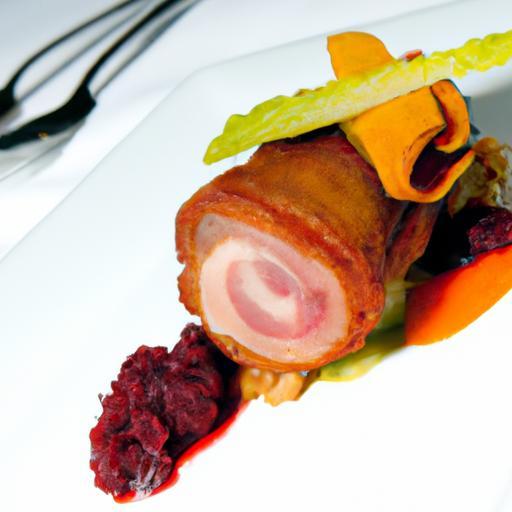
For an authentic British dining experience,serve this dish straight from a rustic cast-iron pot,with creamy mashed potatoes made from waxy Maris Piper potatoes whipped with butter and cream. Add seasonal green vegetables, such as buttered peas or tender steamed kale, to balance the hearty stew. garnish with fresh parsley and a crack of black pepper to brighten the presentation. Pair with a glass of the same ale used in cooking or a robust red wine. For modern plating, elevate portions with a drizzle of malt vinegar reduction and delicate microgreens, showcasing a blend of tradition and innovation learned inside a professional culinary classroom.

| Nutrient | Per Serving |
|---|---|
| calories | 420 kcal |
| Protein | 38 g |
| Carbohydrates | 20 g |
| fat | 18 g |
To further expand your culinary knowledge and explore more british classics, check out our Traditional British Recipes collection. For an authoritative source on beer pairing in cooking, visit the Campaign for Real Ale.
Q&A
Q&A: Master the Art of Cooking – Inside an English Culinary School
Q1: What makes an English culinary school unique compared to others around the world?
A: English culinary schools blend traditional techniques with modern innovation, steeped in centuries of rich culinary heritage. From mastering the classic sunday roast to exploring contemporary british fusion, these schools emphasize both history and creativity, offering a well-rounded culinary education infused with local flavors and global influences.
Q2: Who can enroll in an English culinary school? Do you need prior experience?
A: Culinary schools in England welcome a diverse range of students-from absolute beginners passionate about cooking, to seasoned professionals looking to refine their skills. Many programs offer beginner-kind courses alongside advanced masterclasses, ensuring everyone finds their flavor profile for growth.
Q3: What types of cuisines are taught in an English culinary school?
A: While the backbone is British cuisine, students also dive into European classics like French patisserie, Italian pasta-making, and Spanish tapas. Many schools further incorporate global tastes inspired by England’s multicultural fabric-think Indian spices, Caribbean jerk, and modern Asian fusion.
Q4: How hands-on is the learning experience?
A: Exceptionally hands-on! English culinary schools prioritize practical skills over theory. From chopping onions to executing complex knife techniques,students spend most of their time in fully equipped kitchens,experimenting,creating,and tasting their own culinary masterpieces under expert guidance.
Q5: What career opportunities open up after graduating from an English culinary school?
A: Graduates find doors open across the hospitality industry-fine dining restaurants, boutique hotels, catering companies, food media, and even entrepreneurial ventures like food trucks or Michelin-starred restaurants. Many alumni also become renowned chefs, authors, and culinary educators themselves.
Q6: Is there an emphasis on sustainability and local ingredients?
A: Absolutely! Modern English culinary schools champion farm-to-table principles, encouraging students to source seasonal, local ingredients and minimize waste. This respect for sustainability pairs traditional cooking with contemporary environmental duty, preparing chefs to meet the demands of today’s conscious diner.Q7: Can international students easily join an English culinary school?
A: Yes, and many do! England’s culinary schools are vibrant cultural melting pots. international students benefit from flexible programs, English language support, and exposure to the UK’s diverse food scene, enriching their global culinary perspective while training in world-class institutions.
Q8: What role does creativity play in the curriculum?
A: Creativity is at the heart of the culinary journey.Beyond mastering recipes, students are encouraged to experiment with ingredients, presentation, and flavor combinations-turning cooking into an art form.This fosters innovation,allowing future chefs to develop signature styles and push gastronomic boundaries.
Q9: How does an English culinary school prepare students for the fast-paced kitchen environment?
A: Time management, teamwork, and composure under pressure are embedded into the training. Simulated kitchen services, timed practical exams, and internship placements in bustling restaurants help students build resilience and adaptability-qualities essential for thriving in any professional kitchen.Q10: What’s one surprising thing people might not know about studying at an English culinary school?
A: Beyond food, students often gain lessons in history, culture, and even science-understanding the chemistry behind baking or the cultural stories behind traditional dishes. This holistic approach enriches their culinary knowledge and appreciation, transforming cooks into true culinary artisans.
Closing Remarks
As the final simmer settles and the classroom lights dim, mastering the art of cooking within the walls of an English culinary school reveals itself as more than just acquiring recipes-it’s an immersive journey into tradition, technique, and creativity. Whether you’re wielding a chef’s knife for the frist time or refining years of experience, these kitchens become the crucibles where passion meets precision. With each lesson learned and every dish perfected, you don’t just cook-you craft stories that connect culture, history, and flavor on every plate. So, step inside, embrace the rhythm of the kitchen, and let the art of English culinary excellence transform the way you create and savor food forever.