Few culinary creations embody elegance and technique quite like Beef Wellington. At its heart lies a symphony of flavors wrapped in a buttery, golden embrace-the pastry crust. Mastering this delicate encasement is both an art and a science, where precise dough preparation and thoughtful baking converge to elevate the dish from a mere meal to a masterpiece. In this article, we’ll unravel the secrets to achieving the perfect pastry crust for Beef Wellington, guiding you through techniques that ensure a crisp, flaky shell that harmonizes flawlessly with the tender, savory center. Prepare to transform your kitchen into a stage where tradition meets finesse, and every bite tells a story of pastry perfection.
Mastering Beef Wellington: The art of Perfect Pastry Crust
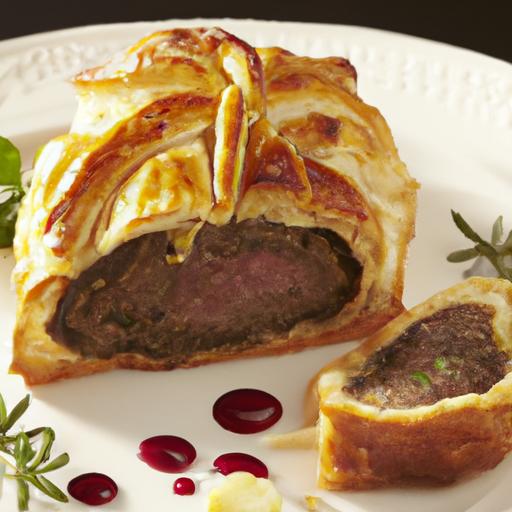
Mastering Beef wellington: The Art of Perfect Pastry Crust begins with selecting the ideal pastry-a true cornerstone that elevates this iconic dish from impressive to unforgettable. From the moment the golden, flaky crust breaks, revealing tender beef and mushroom duxelles, you’ll understand why precision and care in your pastry make all the difference.
Prep and Cook Time
- Preparation: 45 minutes
- Chilling: 30 minutes
- Cooking: 35 minutes
- Total Time: Approx.1 hour 50 minutes
Yield
Serves 6 generously
Difficulty Level
Advanced
Ingredients
- 2 cups all-purpose flour, sifted
- 1 tsp kosher salt
- 1 cup (225g) unsalted butter, cold and cubed
- 1/4 cup ice-cold water, plus more if needed
- 1 tsp apple cider vinegar
- 1 egg yolk (for egg wash)
- 2 tsp cold water (for egg wash)
Instructions
- Combine the dry ingredients: In a large mixing bowl, whisk the all-purpose flour and kosher salt until evenly distributed.
- Cut in the butter: Add the cubed unsalted butter to the bowl. Using a pastry blender or your fingertips, work the butter into the flour until the mixture resembles coarse crumbs with some pea-sized pieces. This creates layers essential for flakiness.
- Add liquids carefully: Mix the apple cider vinegar into the ice-cold water. Gradually drizzle into the flour mixture, stirring gently with a fork until dough begins to come together. Be cautious not to overwork to maintain tenderness.
- Form and chill the dough: Transfer dough onto lightly floured surface. Quickly knead it into a rough ball, flatten into a disk, wrap tightly in plastic wrap, and refrigerate for at least 30 minutes to relax gluten and firm up fats.
- Roll with care: On a floured surface, gently roll out the dough into a 12×15 inch rectangle about 1/8 inch thick. Keep the surface and rolling pin lightly floured to avoid sticking but minimize excess flour to prevent toughness.
- Egg wash and decorate: Beat the egg yolk with 2 tsp cold water.Brush the surface lightly with the wash before and after placing the filling to ensure golden color and sealed edges. Use a sharp knife to score a subtle herringbone or lattice pattern for a professional finish, taking care not to cut through the dough.
- Chill again before baking: After assembling the Beef Wellington, refrigerate for 15 minutes to help the pastry maintain its shape and prevent shrinkage in the oven.
- Bake: Preheat oven to 425°F (220°C). Bake on a parchment-lined sheet pan until pastry is deeply golden, about 30-35 minutes. Rotate halfway for even browning.
Chef’s Notes and Tips for Success
- Flour selection matters: use all-purpose flour for a balance of strength and tenderness, or blend with a bit of cake flour (25% substitution) for lighter, flakier results.
- Butter temperature is key: Cold butter pieces provide distinct layers that melt and steam in the oven, creating the flaky texture. Avoid letting butter soften before incorporating.
- Moisture barrier: Wrapping the beef in crepes or prosciutto prevents steam from softening the pastry, helping maintain structural integrity.
- Rest your dough: Chilling between rolling and after assembly relaxes gluten and firms the dough, minimizing shrinkage and cracking.
- Egg wash extras: For an ultra-glossy crust, apply a second egg wash 10 minutes into baking.
- Decorate with purpose: Use the back of a knife, fork, or a sharp blade to create subtle patterns-thes not only look elegant but help vent steam.
- Make ahead: the pastry dough can be prepared and frozen for up to one month. Thaw overnight in the refrigerator before use.
Serving Suggestions
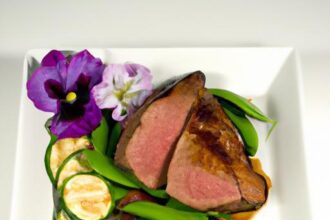
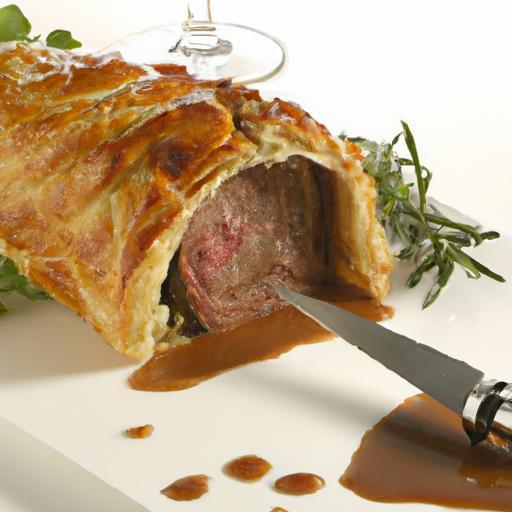
Slice your Beef Wellington into thick portions to reveal the stunning layered cross-section of buttery, flaky crust, juicy beef tenderloin, and earthy duxelles. Plate alongside roasted baby carrots, a swirl of red wine reduction, and a sprinkle of fresh thyme leaves for color and aroma. A side of creamy mashed potatoes or a light mixed greens salad with a tangy vinaigrette will balance the richness perfectly. Garnish with microgreens or edible flowers for an eye-catching finish.

| Nutrition (per serving) | Calories | protein | Carbs | Fat |
|---|---|---|---|---|
| Beef Wellington (with crust) | 650 kcal | 38 g | 40 g | 35 g |
Looking to master other classic French techniques? Check out our guide to perfect French pastry for more inspiration. for additional tips on handling pastry dough, the Serious Eats baking section is an excellent resource.
Q&A
Q&A: Mastering Beef Wellington – The Art of Perfect Pastry crust
Q1: What makes the pastry crust in Beef Wellington so vital?
A: The pastry crust isn’t just a golden wrapper-it’s the crown jewel that encases tender, juicy beef, keeping it moist while adding a flaky, buttery contrast. A perfect crust elevates the dish from a simple roast to an elegant masterpiece.
Q2: Should I use puff pastry or shortcrust pastry for Beef Wellington?
A: Traditionally, puff pastry is the go-to for its delicate layers and buttery crunch. Shortcrust can work but lacks the signature flakiness. For that iconic “puff” and pastry drama, stick with high-quality, well-chilled puff pastry.
Q3: How do I achieve that golden, flaky finish on my pastry?
A: It’s a dance between butter, temperature, and care. Keep your butter cold to create steam pockets that puff beautifully. Chill the pastry before baking, and don’t forget the egg wash-a brush of beaten egg adds irresistible shine and golden hue.
Q4: Can I prepare the pastry in advance?
A: Absolutely! You can roll out and shape the pastry, then wrap it tightly and refrigerate for up to a day. Just bring it back to proper chill before wrapping your beef. This step helps maintain that perfect texture and prevents sogginess.
Q5: How do I prevent the pastry from getting soggy?
A: Moisture is the enemy. pat your beef dry, and wrap it in a mushroom duxelles or prosciutto layer, which acts as a moisture barrier. Also, searing the beef before encasing it seals in juices, reducing leakage that can soak the pastry.
Q6: What’s the secret to rolling out puff pastry without tearing?
A: Light but confident hands win here.Dust your surface lightly with flour, avoid over-rolling, and rotate the dough frequently. Keep it cool-if it’s too warm, the butter melts, making the dough sticky and prone to tearing.
Q7: Are there any creative twists to the classic pastry crust?
A: Absolutely! Some chefs sprinkle finely chopped herbs or mustard onto the pastry for subtle flavor. Others weave a lattice pattern or use a sharp knife to add decorative cuts that bloom as the crust bakes, turning your Beef Wellington into edible art.
Q8: How do I know when the pastry crust is perfectly cooked?
A: visual cues are your best guide-the crust should be a deep, even golden brown with puffed layers. If it looks pale or soggy,it needs more time. A gentle tap should yield a crisp sound, promising a delightful crunch.
Q9: Can I freeze Beef Wellington with the pastry crust?
A: You can freeze the assembled, uncooked Beef Wellington wrapped well to prevent freezer burn. When ready, bake it straight from frozen, adding some extra cooking time. Avoid freezing after baking, as the crust loses its crispness.
Q10: Any final tips for pastry perfection?
A: Patience and precision. Treat your pastry like fine art-chill, handle gently, and don’t rush the baking. With practise, you’ll turn Beef Wellington’s humble crust into a show-stopping, buttery masterpiece every time.
Concluding Remarks
Mastering Beef Wellington is more than just a culinary challenge-it’s an art form that elevates the humble pastry crust to a masterpiece. With every flaky fold and golden layer, you’re not just crafting a dish; you’re creating an experience that marries texture, flavor, and technique in perfect harmony. As you continue to refine your crust-from choosing the right butter to mastering the delicate balance of temperature and timing-you unlock the true potential of this iconic dish. So, roll up your sleeves, embrace the process, and let your oven become a stage where your pastry crust steals the spotlight.Because in the world of Beef Wellington, perfection isn’t just desired-it’s a delicious work of art.