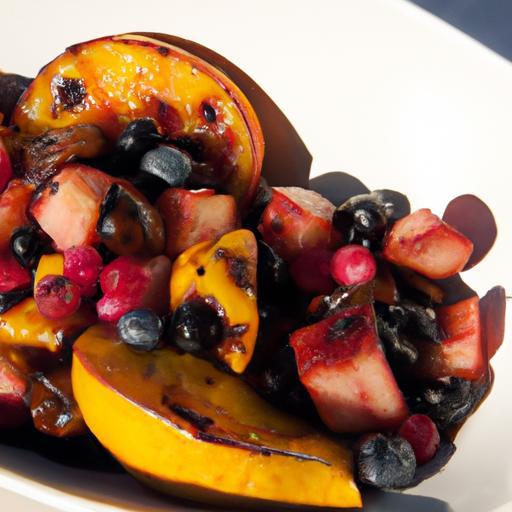
In teh world of culinary arts, transforming ordinary ingredients into unusual dishes is nothing short of magic. Mastering gourmet cooking is not just about following recipes-itS an art form that blends creativity, precision, and technique to elevate your meals from simple sustenance to unforgettable experiences. Whether you’re a passionate home cook eager to impress or a curious foodie looking to deepen your skills, understanding the core techniques behind gourmet cuisine opens a door to endless possibilities. Join us as we explore the essential methods that will refine your kitchen craft, awaken your palate, and turn every meal into a masterpiece.
Mastering Gourmet Cooking: Techniques to Elevate Your Meals
Mastering gourmet cooking begins with a deep appreciation of the harmony created when flavors, textures, and presentation come together flawlessly. Understanding flavor profiles allows you to balance sweet, salty, sour, bitter, and umami elements, turning even simple ingredients into a sensational dish that delights the senses. Today, let’s dive into techniques that elevate your meals-from knife skills to seasonal ingredients-empowering you to create culinary masterpieces with confidence.
Prep and Cook Time
- Prep Time: 25 minutes
- Cook Time: 40 minutes
- Total Time: 65 minutes
Yield
Serves 4 elegantly plated portions
Difficulty Level
Medium – Ideal for passionate home cooks ready to hone their skills
Ingredients
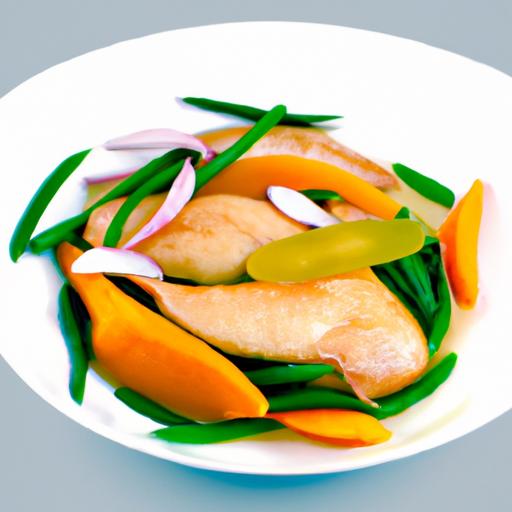
- 2 cups fresh seasonal vegetables (carrots, asparagus, or baby zucchini), trimmed and sliced
- 1 lb boneless chicken breasts, thinly sliced against the grain
- 2 tbsp high-quality olive oil, extra virgin
- 1 medium shallot, finely minced
- 2 cloves garlic, crushed
- 1 tsp sea salt
- ½ tsp freshly ground black pepper
- 1 tbsp fresh lemon juice
- Fresh herbs (thyme, rosemary, or tarragon), chopped – about 1 tbsp
- ½ cup dry white wine or vegetable broth
- 1 tsp unsalted butter
- optional: grated Parmesan cheese for garnish
Instructions
- Prepare your mise en place. Ensure all vegetables and herbs are washed, trimmed, and cut precisely. Practice precision cutting: slice vegetables into even, bite-sized pieces, about ¼ inch thick, to ensure uniform cooking. For chicken, slice against the grain into thin strips to maximize tenderness.
- Heat a heavy-bottomed skillet over medium heat. Add the olive oil and swirl to coat the pan evenly.
- Add minced shallot and garlic. Sauté until fragrant and translucent, about 2 minutes, stirring frequently to avoid burning.
- Toss in the chicken slices. Sear without moving for 3-4 minutes to develop a golden crust, then stir and cook until no longer pink, about 3 more minutes.
- Add the sliced seasonal vegetables. Stir to combine and cook until tender-crisp, approximately 5 minutes, maintaining medium heat to preserve texture and vivacity.
- Deglaze the pan with dry white wine (or broth). Scrape the bottom to release flavorful browned bits, enhancing depth.
- Season with salt, pepper, and fresh herbs. Stir gently to infuse flavor without wilting freshness.
- Turn heat to low. Add a knob of unsalted butter and lemon juice, stirring until glossy sauce forms and coats the ingredients perfectly.
- Plate your dish thoughtfully. Arrange veggies and chicken with balance and contrast, garnishing with a sprinkle of Parmesan and a sprig of fresh herbs for visual and aromatic appeal.
Tips for Success
- Knife Skills: Dull blades are dangerous. Sharpen your knives regularly for safety and precision cutting.
- Heat Control: Avoid flame too high; moderate heat maintains moisture and prevents uneven cooking.
- Flavor Balancing: Taste as you cook. If the dish feels flat, a squeeze of lemon or pinch of salt can instantly refresh it.
- Substitutions: Swap chicken with firm tofu or wild-caught fish for alternative proteins.
- Make-ahead: Vegetables can be prepped and refrigerated; add fresh herbs last minute to preserve brightness.
Serving Suggestions
Serve as the centerpiece of a refined dinner paired with a light quinoa salad or creamy mashed potatoes to absorb the luscious sauce. For a finishing touch,drizzle extra virgin olive oil and scatter edible flowers or microgreens atop for a vibrant,restaurant-worthy presentation. complement the meal with a crisp white wine, such as Sauvignon Blanc, to enhance the citrus and herbal notes.

| Nutrient | Per Serving |
|---|---|
| Calories | 320 kcal |
| Protein | 38 g |
| Carbohydrates | 12 g |
| Fat | 14 g |
For more expert tips on knife handling and enhancing your culinary finesse, check out our extensive guide on Ultimate Knife Skills for Home Cooks. To deepen your understanding of heat control and cooking science, visit the Serious Eats heat control guide.
Q&A
Q&A: Mastering gourmet Cooking – Techniques to Elevate Your Meals
Q1: what dose it mean to “master” gourmet cooking?
A1: Mastering gourmet cooking is more than just following recipes-it’s about understanding the art and science behind flavors,textures,and presentation. It means developing intuition in ingredient selection, perfecting advanced techniques, and cultivating creativity to transform everyday meals into extraordinary dining experiences.
Q2: Which fundamental techniques form the foundation of gourmet cooking?
A2: At the heart of gourmet cooking lie classical techniques such as sautéing, braising, poaching, roasting, and emulsifying sauces. Mastery of knife skills for precision cuts, understanding heat control, and timing are crucial. These basics serve as building blocks allowing you to customize recipes and experiment confidently.
Q3: How can I elevate simple ingredients into gourmet dishes?
A3: Elevation starts with ingredient quality-fresh, seasonal, and thoughtfully sourced produce or proteins.Layering flavors through marinades, spice blends, and careful seasoning creates depth. Techniques like caramelization, deglazing, and finishing with a vibrant drizzle or garnish add complexity and visual appeal to humble ingredients.
Q4: What role does plating play in gourmet cooking?
A4: Plating is the final flourish that engages the senses before the first bite. Thoughtful plating guides the diner’s eye and amplifies anticipation. Using contrasting colors, textures, and strategic composition turns a meal into an artistic expression.Remember, people “eat with their eyes” first!
Q5: Can mastering gourmet cooking be accessible to home cooks?
A5: Absolutely! Gourmet cooking is a journey, not an exclusive club. Start small-practice one technique at a time,use quality ingredients,and don’t be afraid to experiment. With patience and passion, you’ll build confidence and delight in crafting restaurant-worthy meals right in your kitchen.
Q6: What mindset should one adopt to truly succeed in gourmet cooking?
A6: Cultivate curiosity and patience. Gourmet cooking rewards attention to detail and a willingness to learn from each dish, whether it’s a triumph or a lesson. Embrace creativity without fear, respect tradition without rigidity, and above all, cook with love-that’s the secret ingredient to elevate any meal.
In Summary
As you close the chapter on these culinary techniques, remember that mastering gourmet cooking is not just about precision-it’s an art form that invites curiosity, patience, and a dash of daring creativity. Each skill you’ve explored is a stepping stone toward transforming ordinary ingredients into extraordinary experiences. So, don your apron with confidence, embrace the process, and let your kitchen become a stage where flavors dance and meals tell unforgettable stories. Elevate your cooking, and watch as every dish becomes a masterpiece worthy of savoring and sharing.