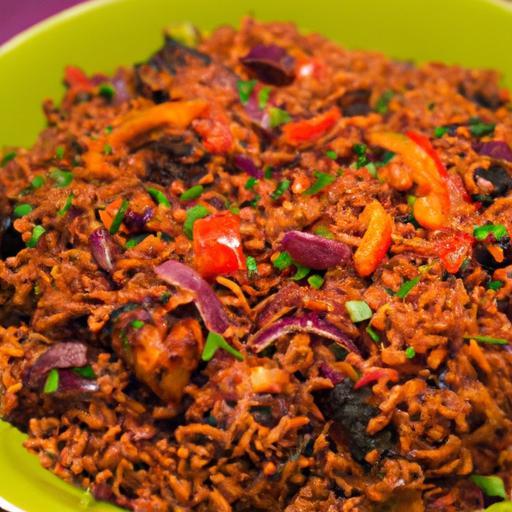
Few dishes capture the vibrant spirit and rich culinary heritage of West Africa quite like Jollof rice. A harmonious blend of smoky, spicy, and savory flavors, this beloved one-pot meal has traveled far beyond its origins to become a staple at celebrations, family tables, and street vendors alike. But what is it that makes some Jollof rice recipes sing with authentic taste while others fall flat? In this guide, we’ll unravel the secrets behind mastering Jollof rice-from selecting the perfect blend of ingredients to mastering cooking techniques that lock in flavor and texture. Whether you’re a curious foodie or an aspiring home chef, prepare to embark on a flavorful journey into the heart of West African cuisine, transforming humble rice into a dish bursting with tradition, warmth, and irresistible zest.
Mastering Jollof Rice begins with understanding the essence of its ingredients and culinary techniques that bring this iconic west African dish to life. The foundation of a truly authentic flavor starts with selecting the right rice and freshest produce, then skillfully crafting a rich tomato base that carries every note of spice and seasoning. achieving the perfect texture and unforgettable presentation transforms your jollof into a feast both visually stunning and deeply satisfying.
Prep and cook Time
- Readiness: 20 minutes
- Cooking: 45 minutes
- Total Time: 1 hour 5 minutes
Yield
- serves 6 generous portions
Difficulty Level
- Medium – Perfect for anyone wanting to elevate their culinary repertoire
Ingredients
- 2 cups long-grain parboiled rice, rinsed and drained
- 5 large fresh plum tomatoes, chopped
- 1 cup tomato paste (preferably double concentrated)
- 2 large red bell peppers, deseeded and chopped
- 1 medium onion, finely chopped
- 3 cloves garlic, minced
- 1-inch piece ginger, grated
- 2 scotch bonnet peppers (adjust to taste), minced
- 4 tablespoons vegetable oil (or palm oil for a customary touch)
- 1 teaspoon dried thyme
- 2 bay leaves
- 1 teaspoon smoked paprika
- 1 teaspoon curry powder
- Salt to taste
- 2 cups chicken or vegetable stock
- fresh parsley or cilantro, for garnish
- Optional: cooked protein (chicken, shrimp, or plantains) for serving
Instructions
- Choose the perfect rice: Begin by rinsing the long-grain parboiled rice thoroughly under cold water, removing excess starch to ensure fluffy grains. Parboiled rice holds its shape and texture wonderfully in jollof, giving every bite a perfect balance of softness and integrity.
- Prepare the ultimate tomato base: Combine chopped tomatoes,red bell peppers,and scotch bonnets in a blender until smooth.In a large heavy-bottomed pot, heat the vegetable oil over medium heat. Add the finely chopped onions and sauté until translucent and just turning golden, about 5 minutes, stirring frequently enough to prevent burning.
- Enhance flavors with aromatics: Stir in minced garlic and grated ginger, cooking for a further 2 minutes to release their fragrant warmth.
- Build the signature sauce: Pour your blended tomato-pepper mixture into the pot, stirring to combine. Let it simmer uncovered over medium-low heat for 15 to 20 minutes, allowing the sauce to reduce and concentrate.Stir occasionally to avoid sticking and burning at the bottom.
- Boost with tomato paste and spices: Add the tomato paste, dried thyme, bay leaves, smoked paprika, and curry powder.Stir well and cook for another 5 minutes, deepening the color and layering complex spicy undertones that define the dish’s bold character.
- Balancing act – seasoning and stock: Gradually add the rinsed rice and stir gently to coat each grain with the rich tomato base. Pour in the chicken or vegetable stock along with salt to taste. Bring to a gentle boil, then reduce heat to low. Cover tightly and cook for 25 minutes undisturbed, allowing the rice to absorb all the glorious flavors.
- perfecting texture and finishing touches: Once the rice is tender and the liquid has been absorbed, remove from heat but keep covered for 10 minutes. This resting period allows grains to steam to ideal fluffiness. Fluff with a fork carefully to separate the rice without breaking it.
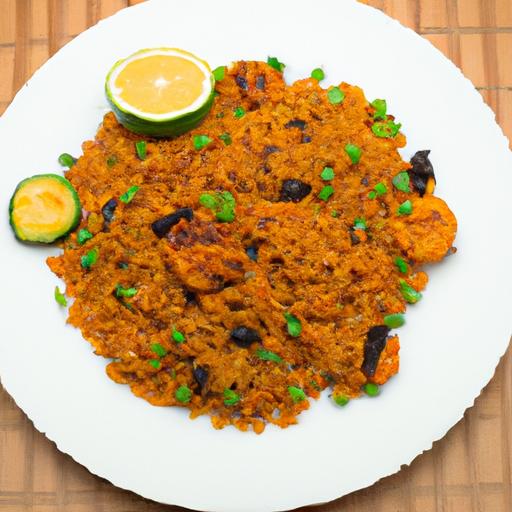
- Presentation is key: Transfer to a vibrant, wide serving dish and garnish with freshly chopped parsley or cilantro. For added appeal, arrange golden-fried plantains or grilled protein alongside, creating a colorful and inviting plate.
Tips for Success
- Rice choice matters: Opt for quality parboiled rice as it resists becoming mushy and locks in flavor better than other varieties. If unavailable,basmati offers a great aromatic alternative.
- Tomato paste intensity: Do not skip the tomato paste-it’s essential for that deep red hue and concentrated tomato essence.
- Adjust spice levels: Scotch bonnet peppers pack heat but also a fruity flavor. If you prefer mild, substitute with milder chilies or remove seeds before blending.
- Layering flavors: Don’t rush the simmering of your tomato base; patience here yields a sauce bursting with sweetness and depth.
- Make-ahead: Jollof rice can taste even better the next day as flavors continue to develop. Store leftovers in an airtight container in the fridge for up to 3 days.
Serving Suggestions
Serve your jollof surrounded by classic accompaniments such as crispy fried plantains, steamed vegetables, or spicy grilled chicken.Garnish with fresh herbs and thinly sliced red onions for that fresh crunch. For an added cultural touch, a side of Nigerian moi moi or simple coleslaw complements the robust flavors perfectly. Present on a colorful platter to celebrate this West African masterpiece!

| Nutrient | Per Serving |
|---|---|
| Calories | 410 kcal |
| Protein | 8 g |
| Carbohydrates | 68 g |
| Fat | 8 g |
For further inspiration,explore how to pair Jollof Rice with traditional West African stews in our Stews and Sauces Collection. To understand the health benefits and culinary history of the ingredients in your dish, visit Britannica’s Jollof Rice overview.
Q&A
Q&A: Mastering Jollof Rice – A Flavorful West African Classic Guide
Q1: What exactly is Jollof Rice?
A: Jollof Rice is a vibrant, aromatic one-pot dish beloved across West Africa. Its rich, smoky tomato base mingles with fragrant spices, creating a symphony of flavors layered over perfectly cooked rice. Think of it as the culinary heartbeat of celebrations,family gatherings,and everyday meals alike.
Q2: why is Jollof Rice so popular in West Africa?
A: Beyond its irresistible taste, Jollof Rice carries cultural importance. It’s a unifier-each country, from Nigeria to Ghana to Senegal, has its own twist, sparking friendly “Jollof Wars” about whose version reigns supreme. The dish symbolizes hospitality, festivity, and shared heritage.
Q3: What are the essential ingredients to master authentic Jollof Rice?
A: The soul of Jollof lies in ripe tomatoes, bell peppers, onions, and fiery Scotch bonnet peppers, blended into a luscious base sauce. Long-grain parboiled rice best absorbs these flavors. Don’t forget palm oil or vegetable oil, broth (chicken or vegetable), and an orchestra of spices-thyme, bay leaves, curry powder, and a pinch of smoked paprika or ginger add depth.
Q4: How do I achieve the perfect texture in Jollof Rice?
A: The rice should be fluffy yet infused with the sauce’s essence, not mushy or dry.Rinse the rice to remove excess starch, simmer gently in the sauce with the lid tightly closed to trap steam, and avoid stirring too often to prevent breaking the grains. A “bottom layer” of slightly toasted rice, affectionately called “party rice,” adds a delightful crunch.
Q5: Can Jollof Rice be customized for different diets or preferences?
A: Absolutely! While traditionally paired with chicken, fish, or beef, Jollof Rice lends itself beautifully to vegetarian and vegan adaptations. Swap in hearty veggies like mushrooms, peas, and carrots, or even plant-based proteins. Adjust the heat level by controlling the amount of Scotch bonnet pepper-or tame it with mild chili alternatives.
Q6: What are common mistakes to avoid when cooking jollof Rice?
A: Overcooking the rice until mushy or undercooking it leaving it hard are classic blunders. Another is neglecting the tomato base’s simmer time-rushing this step can leave your sauce tasting raw and acidic. Lastly, too much stirring breaks the grains, losing that signature fluffy texture.
Q7: How can I serve Jollof Rice to impress guests?
A: Presentation is the secret spice! Garnish with fresh herbs like parsley or green onions, add vibrant side dishes such as fried plantains or steamed greens, and pair with a cooling cucumber salad or spicy pepper sauce. A colorful, aromatic plate of Jollof transforms any meal into a festivity.
Q8: Where can I find authentic Jollof rice recipes and inspiration?
A: Dive into cookbooks and blogs by West african chefs, watch cooking videos showcasing regional techniques, and don’t hesitate to experiment with local ingredients.Join online communities where Jollof enthusiasts share tips, stories, and family secrets-cooking Jollof is as much about community as it is about food.
Mastering Jollof Rice is an invitation to explore West Africa’s rich culinary heritage, igniting your kitchen with colors, aromas, and flavors that resonate far beyond the plate. Ready to embark on this delicious journey? Happy cooking!
Key Takeaways
As the rich aromas of tomatoes, peppers, and spices fill your kitchen, remember that mastering Jollof rice is more than perfecting a recipe-it’s about embracing a vibrant culinary tradition that connects hearts across West Africa and beyond.With each grain infused with smoky depth and fiery zest, your journey into this beloved classic transforms simple ingredients into a celebration of culture and flavor. So, gather your loved ones, serve up your masterpiece, and savor not just a dish, but a story-one spoonful at a time.