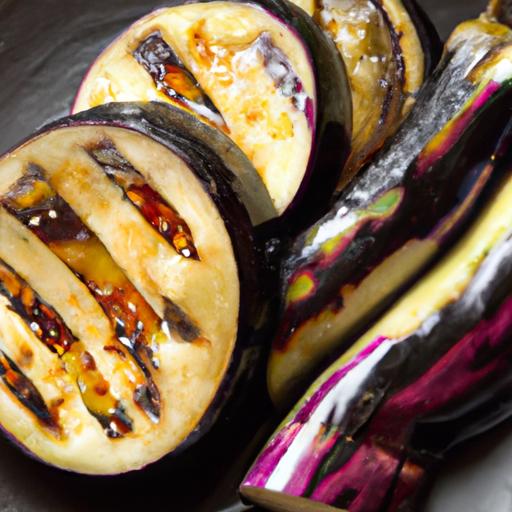


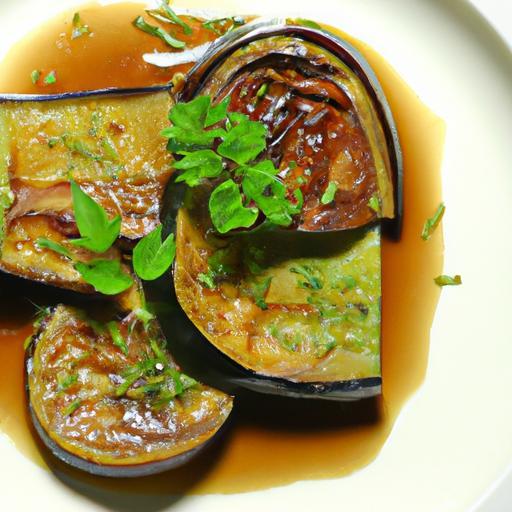
In the vibrant tapestry of Japanese cuisine, few dishes capture the essence of simplicity and umami as beautifully as Nasu Dengaku. This beloved tradition features tender eggplant glazed with a rich, savory miso sauce that caramelizes to perfection, creating a harmonious dance of flavors and textures. whether you’re a seasoned cook eager to explore authentic regional fare or a curious foodie on a culinary adventure, mastering Nasu Dengaku opens a gateway to experiencing Japan’s deep-rooted love for fermented flavors and subtle artistry. Join us as we unravel the secrets behind this classic dish, guiding you step-by-step through an authentic miso eggplant recipe that promises to elevate your home cooking and delight your palate.
Mastering Nasu Dengaku: Authentic Miso Eggplant Recipe Guide
Mastering Nasu Dengaku unlocks a unique gateway into Japan’s rich culinary heritage by showcasing the humble eggplant transformed by the rich, umami-packed miso glaze. This deceptively simple yet deeply satisfying dish has traveled through centuries, steeped in tradition, originally served at Buddhist temples before becoming a beloved staple of Japanese home cooking and izakaya fare. Its allure lies in the perfect marriage of smoky, tender eggplant and a glossy, savory-sweet coating that invites endless creativity and variations.
Prep and Cook Time
Preparation: 15 minutes | Cooking: 20 minutes | Total: 35 minutes
Yield
4 servings
Difficulty Level
Easy to Medium
Understanding the Cultural Roots and selecting ingredients
To truly honor this iconic dish,mastering Nasu Dengaku requires starting with the right ingredients. The best eggplants are Japanese eggplants-slender, deep purple, and tender-skinned-known for their sweet flesh and delicate texture that soaks up flavors beautifully. Their thin skin means they cook quickly and evenly, achieving that perfect melt-in-your-mouth softness without bitterness.
Equally critically important is the choice of miso. Conventional Nasu Dengaku uses white (shiro) miso or a blend of white and red miso, striking a balance between sweetness and the earthy depth that red miso brings. Premium quality miso paste from trusted artisan producers ensures a glossy glaze that caramelizes evenly, delivering that signature complex umami punch.
Ingredients
- 2 medium Japanese eggplants, washed and halved lengthwise
- 3 tbsp white miso paste (shiro miso)
- 1 tbsp red miso paste (optional, for deeper flavor)
- 2 tbsp mirin
- 1 tbsp sake
- 1 tbsp granulated sugar
- 1 tbsp vegetable oil (for grilling or pan-searing)
- 1 tsp toasted sesame seeds, for garnish
- 1 green onion, finely sliced for garnish
Step-by-Step preparation Techniques
- Prepare the eggplant: Cut the eggplants in half lengthwise. Score the flesh in a shallow crisscross pattern,being careful not to pierce the skin. This allows better absorption of the miso glaze and speeds cooking.
- Salt and rest: Sprinkle salt lightly on the cut surfaces and let them sit for 10 minutes to draw out any bitterness and excess moisture, then pat dry with paper towels.
- Make the miso glaze: In a small bowl, whisk together white miso, red miso (if using), mirin, sake, and sugar until smooth.The combination should be thick but spreadable with a glossy sheen.
- Cook the eggplant: Heat vegetable oil in a skillet over medium heat. Place eggplants cut side down and cook 6-8 minutes until golden brown and softened. Alternatively, grill the eggplants cut side down over medium heat until nicely charred and tender.
- Flip and glaze: Turn eggplants skin side down and generously spread the miso glaze over the cooked flesh. Lower heat to medium-low to gently caramelize the topping,cooking 3-4 minutes until bubbly and slightly browned. Watch closely to avoid burning.
- Rest and garnish: Remove eggplants from heat and let cool for a minute. Sprinkle with toasted sesame seeds and sliced green onion to add texture and freshness.
- Serve instantly: Enjoy while warm for the richest umami experiance.
Tips and Variations to Elevate Your Miso Eggplant
- For smokier depth: Try broiling the glazed eggplants under a high grill flame for 1-2 minutes to char the miso surface slightly.
- Make it vegan: Use sake and mirin to add sweetness and complexity; ensure no dashi or fish products sneak into your miso paste.
- Texture tweak: Lightly grill eggplants whole first, slice after cooking, then apply glaze for easier handling and more uniform cooking.
- Storage: Prepare miso glaze ahead; keep in an airtight container refrigerated up to 3 days. Reheat eggplant and glaze before serving.
- Adding crunch: Sprinkle finely chopped toasted peanuts or panko crumbs on top for delightful textural contrast.
Serving suggestions for Restaurant-Quality Presentation
Mastering Nasu dengaku can transform any meal into a visual and flavorful feast.Present the eggplants whole or cut into elegant wedges on a rustic ceramic plate. A smear of miso glaze dripping temptingly, topped with vibrant green onions and delicate sesame seeds, makes the dish pop. Pair with steamed jasmine or sushi rice, a side of pickled ginger, or a refreshing cucumber sunomono salad for balance.
For an extra touch of sophistication, drizzle a few drops of toasted sesame oil right before serving to amplify the nutty aroma. Serving with a cup of hot genmaicha (roasted brown rice tea) or chilled sake completes your authentic Japanese culinary experience.

| Nutrient | Per serving |
|---|---|
| Calories | 150 kcal |
| Protein | 4 g |
| Carbohydrates | 18 g |
| Fat | 6 g |
For more savory Japanese recipes that highlight the beauty of miso, check out our article on traditional Miso Soup.To broaden your knowledge of miso’s health benefits and varieties, visit the Miso Awareness Center.
Q&A
Q&A: Mastering Nasu Dengaku – Your Authentic Miso Eggplant Recipe Guide
Q1: What exactly is Nasu Dengaku?
A1: nasu dengaku is a traditional Japanese dish that highlights the humble eggplant (nasu) glazed with a luscious miso-based sauce (dengaku). It’s a perfect harmony of smoky, sweet, and savory flavors, often enjoyed as an appetizer or side dish.
Q2: What makes the miso glaze in Nasu dengaku special?
A2: The magic is in the miso-a fermented soybean paste rich in umami. Typically, a blend of red (aka) or white (shiro) miso is used, sweetened with mirin and sugar, and brightened with a touch of sake or rice vinegar. This balance delivers a deep, caramelized glaze that clings to tender eggplant beautifully.
Q3: Can I use any eggplant for Nasu Dengaku?
A3: While you can technically use any eggplant, Japanese eggplants are ideal due to their slender shape and tender flesh. Their skin is thin, and the texture is silky, making them perfect for absorbing the miso glaze without becoming mushy.
Q4: How do you prepare the eggplant before glazing?
A4: Traditionally, eggplants are halved lengthwise, their flesh scored lightly to hold the glaze, then either grilled, broiled, or pan-fried until tender and slightly charred. This smoky caramelization enhances their natural sweetness and adds depth to the final dish.
Q5: is it necessary to peel the eggplant?
A5: Nope! The skin not only helps maintain the eggplant’s structure during cooking but also adds a slight bitterness that contrasts beautifully with the rich miso. Just make sure to wash the eggplant well before cooking.
Q6: What are some tips for achieving the perfect miso glaze consistency?
A6: The glaze should be thick enough to stick but not so dense that it overwhelms the eggplant. Simmer your miso, mirin, sugar, and sake gently, stirring often, just until the sugar dissolves and the mixture thickens slightly. Be mindful-overcooking can turn it grainy or too salty.
Q7: Can Nasu Dengaku be made vegan or gluten-free?
A7: Absolutely! Miso paste is naturally vegan,but always check the label for any added ingredients. Use tamari or gluten-free soy sauce instead of regular soy sauce to keep it gluten-free. The rest of the ingredients-mirin,sugar,sake-are usually safe,but confirm if you have any dietary sensitivities.
Q8: What side dishes pair well with Nasu Dengaku?
A8: Nasu Dengaku shines alongside steamed rice, miso soup, and a crisp cucumber salad. For a heartier meal, try it with grilled fish or teriyaki chicken-its savory glaze complements a wide array of japanese dishes.
Q9: How can I elevate the presentation of Nasu Dengaku?
A9: Sprinkle toasted sesame seeds or finely chopped scallions over your glazed eggplants for a burst of color and texture. A drizzle of yuzu zest or a hint of shichimi togarashi (Japanese seven-spice) adds an exciting aromatic twist that dazzles both the eyes and palate.
Q10: Can I prepare Nasu Dengaku ahead of time?
A10: You can prepare the glaze in advance and store it refrigerated. Cook the eggplants just before serving to maintain their tender texture and fresh flavor. Reheating gently under a broiler for a minute or two can revive the caramelized finish.
Mastering Nasu Dengaku is like capturing the soul of Japanese home cooking-simple ingredients transformed with care into something truly sublime. With this guide, your miso eggplants will glow with authentic flavor and irresistible charm every time!
In Summary
As you bring the glossy, caramelized slices of miso-glazed eggplant to your table, you’re not just serving a dish-you’re sharing a centuries-old tradition wrapped in bold, umami-rich flavors. Mastering nasu Dengaku is more than following a recipe; it’s an invitation to explore the delicate balance of simplicity and depth that Japanese cuisine so effortlessly embodies. With each warm bite, you connect with a culinary heritage that celebrates humble ingredients transformed by patience and care. So next time you crave a dish that’s both comforting and complex, remember: the art of Nasu Dengaku is within your reach, ready to turn everyday eggplants into an extraordinary experience.