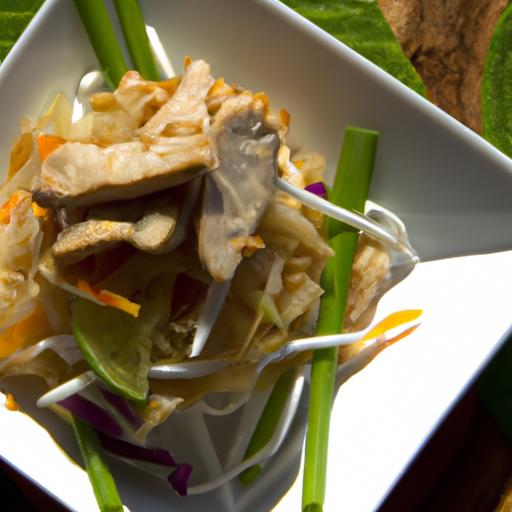
Embarking on a culinary adventure through the vibrant streets and bustling markets of Thailand reveals a world where flavors dance in perfect harmony and every dish tells a story. Mastering Thai cooking techniques is not just about following recipes-it’s about understanding the delicate balance of bold spices,fresh herbs,and time-honored methods that transform simple ingredients into unforgettable meals. In this flavorful journey,we’ll unlock the secrets behind Thailand’s iconic dishes,exploring the art of stir-frying with a sizzling wok,the finesse of pounding fresh curry pastes,and the subtle mastery of layering sweet,sour,salty,and spicy notes. Whether you’re a seasoned chef or a passionate foodie, diving into Thai cooking opens the door to a sensory experience that delights the palate and enriches the soul. Join us as we discover how to bring the heart of Thailand into your kitchen, one vibrant technique at a time.
Mastering Thai Cooking Techniques unveils the vibrant soul of thai cuisine, where every ingredient harmonizes impeccably to create a symphony of flavors. The secret lies in expertly balancing salty, sweet, sour, and spicy notes using aromatic herbs and carefully selected essentials. Thai food is celebrated not only for its depth but its ability to delight the senses with freshness and complexity-qualities that elevate every dish from humble street fare to festive celebrations.
Prep and Cook Time
Planning: 20 minutes
Cooking: 25 minutes
Total: 45 minutes
Yield
serves 4 hearty portions
Difficulty Level
Medium – ideal for adventurous cooks eager to explore authentic techniques
Ingredients
- 2 tbsp vegetable oil (preferably peanut or coconut oil for traditional flavour)
- 3 cloves garlic, finely minced
- 2 shallots, thinly sliced
- 1 stalk lemongrass, white part finely chopped
- 1 inch galangal root, thinly sliced or minced
- 3 kaffir lime leaves, torn into pieces
- 2 Thai bird’s eye chilies, sliced (adjust to taste)
- 1 tsp palm sugar, grated
- 2 tbsp fish sauce (substitute with soy sauce for vegetarian option)
- 1 tbsp tamarind paste
- 200g boneless chicken breast, thinly sliced
- 1 cup coconut milk (full fat for rich creaminess)
- 1 cup Thai basil leaves, fresh
- 1/2 cup fresh coriander (cilantro), roughly chopped
- 1 medium tomato, quartered
- Juice of 1 lime
- Steamed jasmine rice, for serving
Instructions
- Heat the oil over medium flame in a wok or heavy skillet. Add garlic, shallots, lemongrass, galangal, kaffir lime leaves, and chilies. Sauté until aromatic and slightly golden, about 3-4 minutes, stirring constantly to avoid burning.
- add the chicken slices and stir-fry for 5 minutes, allowing them to brown gently and soak up the flavors.
- Stir in the palm sugar, fish sauce, and tamarind paste. Mix thoroughly to balance sweet,salty,and sour essences unique to Thai cooking.
- Pour in the coconut milk and bring just to a simmer. Let it cook gently for 10 minutes until the chicken is cooked tender and the sauce lightly thickens.
- Add the tomato quarters and toss in most of the Thai basil and coriander, reserving a pinch for garnish. Cook another 2 minutes to soften the tomatoes without losing their shape.
- Turn off the heat and stir in the freshly squeezed lime juice for a burst of zesty brightness.
- Serve immediately over steamed jasmine rice, garnishing generously with remaining herbs.
Chef’s Notes
- Substitute chicken with shrimp or tofu for a pescatarian or vegetarian option, adjusting cooking time accordingly.
- Consistency is key; avoid boiling coconut milk aggressively or it may split-keep the heat gentle for a creamy finish.
- If kaffir lime leaves are unavailable, use fresh lime zest but remember the flavor will be milder.
- prepare the aromatic paste blend ahead of time and refrigerate to speed up cooking on busy nights.
- Adjust chili quantity based on your heat tolerance; roasting chilies before adding imparts smoky depth.
Serving Suggestions
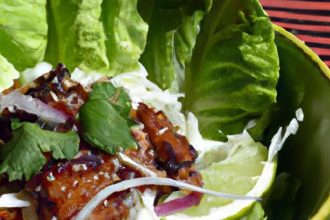
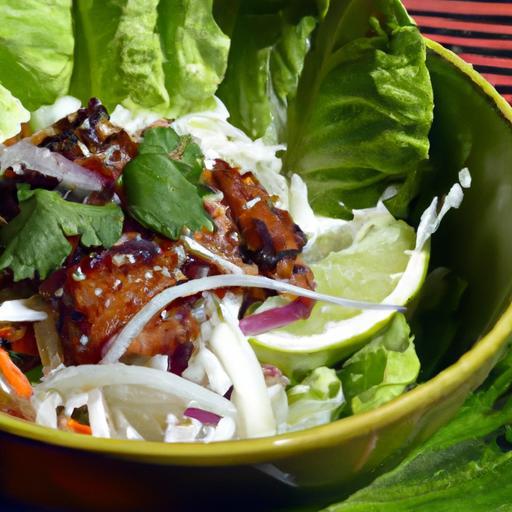
Present this dish on a rustic ceramic plate to enhance its vivid colors. Accompany with fragrant jasmine rice served in mounds for easy scooping. Garnish with a crisp wedge of lime, extra Thai basil sprigs, and if desired, a side of cucumber salad to refresh the palate. For an elegant touch, sprinkle finely chopped roasted peanuts or crispy fried shallots on top.

Nutritional Details
| Nutrition | Per Serving |
|---|---|
| Calories | 370 kcal |
| Protein | 28 g |
| Carbohydrates | 12 g |
| Fat | 22 g |
For further inspiration on Thai cuisine, visit Serious Eats’ Thai Cooking Guide. to deepen your mastery, explore our detailed Authentic Thai Flavors Guide on this site. Embark confidently on your flavorful journey by embracing the art of balancing ingredients and cooking methods-fundamental pillars in mastering Thai culinary excellence.
Q&A
Q&A: Mastering Thai Cooking Techniques – A Flavorful Journey
Q1: what makes Thai cooking techniques unique compared to other cuisines?
A1: Thai cooking is an artful balance of flavors-sweet, sour, salty, bitter, and spicy-all mingling in perfect harmony.The techniques emphasize fresh ingredients, vibrant herbs, and quick, high-heat methods like stir-frying and grilling to preserve bold flavors and textures. Unlike slow-cooked dishes,Thai recipes often reward you with immediacy and brightness,capturing the essence of each ingredient in every bite.
Q2: What are some fundamental cooking methods used in Thai cuisine?
A2: Key techniques include:
- Stir-frying (Pad): Quick searing over high heat to lock in freshness and crunch.
- Grilling (Yang): From succulent satay skewers to smoky fish,grilling imparts a charred aroma essential to many dishes.
- Boiling and simmering: Perfect for creating flavorful broths in soups like Tom Yum or boat noodles.
- Pounding (in a mortar and pestle): this ritual crushes herbs and spices, unlocking intense aromas for curry pastes and salads.
- Steaming: Delicately cooks ingredients while preserving their natural moisture and subtle flavors.
Q3: How vital is the mortar and pestle in Thai cooking?
A3: The mortar and pestle is the unsung hero of Thai cuisine. It’s where magic happens-transforming raw chilies, garlic, and lemongrass into fragrant pastes and dressings. Unlike mechanical blenders, pounding by hand releases oils and textures that elevate each dish, making it indispensably authentic.
Q4: Can I master Thai cooking techniques at home, even without specialty equipment?
A4: Absolutely! while a traditional wok and mortar and pestle enhance authenticity, many techniques can be adapted with common kitchen tools. A heavy skillet can substitute for a wok, and a sturdy wooden mallet or even the back of a spoon can mimic pounding. The key lies in fresh, quality ingredients and embracing the sensory experience: the sizzle, the aromas, the balanced layering of flavors.Q5: what role do fresh herbs and aromatics play in Thai cooking?
A5: Herbs like Thai basil, cilantro, kaffir lime leaves, and Thai bird’s eye chilies are the vibrant heartbeat of Thai dishes. They provide bursts of freshness, complexity, and heat that define the cuisine. Mastering the timing-when to add these delicate ingredients during cooking-can transform a good dish into an unforgettable one.
Q6: How can understanding Thai cooking techniques deepen my appreciation for the cuisine?
A6: Exploring Thai cooking methods is a flavorful journey into Thai culture and tradition. Techniques aren’t just about cooking; they’re about storytelling-generations of families passing down secrets, regional diversity, and the intimate relationship between food and daily life.Mastery invites you to connect beyond taste,cultivating respect and joy for each carefully crafted dish.
Q7: Any tips for beginners eager to embark on this flavorful journey?
A7: Start simple-perhaps a classic Pad Thai or a refreshing Som Tum (green papaya salad). Focus on mastering one technique at a time, and don’t rush the pounding or seasoning process. Embrace the balance of flavors with curiosity and patience. And most importantly, savor the sensory adventure-cooking Thai style is as much about joy as it is indeed about skill.
Embark on this flavorful journey, and you’ll soon find thai cooking offers endless delights-a dance of spices, textures, and techniques that satisfy both the palate and the soul.
Closing Remarks
As you close this flavorful chapter on mastering Thai cooking techniques, remember that each stir, simmer, and squeeze of lime is more than just a step in a recipe-it’s an invitation to embrace a vibrant culture rich in history and taste. With every dish you create, you not only nourish the body but also kindle the soul, weaving together aromas and textures that tell stories of distant lands and time-honored traditions. So, let your kitchen become a canvas where the boldness of lemongrass meets the subtlety of coconut milk, and where your curiosity transforms ingredients into an unforgettable feast. The journey of Thai cooking isn’t just about mastering techniques; it’s about savoring the endless possibilities that come with every bite. Keep exploring, experimenting, and most importantly, enjoying the delicious adventure ahead.