
There’s something undeniably magical about French crêpes-their delicate,lacy edges and tender,melt-in-yoru-mouth texture evoke images of bustling Parisian street stalls and cozy cafés tucked away on cobblestone streets. Yet, mastering these thin, golden pancakes at home can feel like an elusive culinary art. Fear not: crafting perfect French crêpes isn’t reserved for seasoned chefs or patisserie pros. with a few tried-and-true techniques, a simple batter, and a bit of practice, anyone can transform their kitchen into a crêperie. In this article, we’ll guide you through the essential steps too create flawless crêpes, unlocking the secrets behind their silky smoothness and that irresistible balance of lightness and flavor. Get ready to elevate your breakfast, brunch, or dessert game with homemade crêpes that rival those from the streets of paris.
Mastering the art: Crafting Perfect French Crêpes at home
Mastering the art of crafting perfect French crêpes at home begins with respecting tradition while embracing the joy of creativity. These delicate, paper-thin pancakes owe their charm to simple, high-quality ingredients and the care we give during planning. Originating from the Brittany region of France,crêpes have won hearts worldwide with their silky texture and versatility-whether sweet or savory,they transform any meal into a festivity.
Prep and Cook Time
- Preparation: 10 minutes
- Resting: 1 hour
- Cooking: 20 minutes
- Total Time: Approx. 1 hour 30 minutes
Yield
Makes 10-12 crêpes, serving 4-6 people
Difficulty Level
Medium – Perfect for home cooks looking to elevate their breakfast or dessert game
Ingredients
- 1 cup all-purpose flour, sifted
- 2 large eggs, at room temperature
- 1 1/4 cups whole milk, warmed slightly
- 2 tbsp unsalted butter, melted, plus extra for the pan
- 2 tbsp granulated sugar (optional for sweet crêpes)
- 1/4 tsp fine sea salt
- 1 tsp pure vanilla extract (optional for sweet variations)
Instructions
- Combine dry ingredients: In a large mixing bowl, whisk together the sifted flour, sugar, and sea salt to ensure even distribution.
- Incorporate eggs: Make a well in the center and gently crack the eggs in. Begin whisking slowly to start integrating the flour without lumps.
- Add liquids gradually: Slowly pour in the warm milk while continuously whisking to keep the batter smooth and fluid. This gentle process prevents clumping and builds a lovely silky texture.
- Mix in butter and vanilla: Whisk in the melted butter and vanilla extract until fully incorporated.The butter adds richness and helps prevent sticking during cooking.
- Rest the batter: Cover the bowl with plastic wrap and refrigerate for at least 1 hour. This resting period allows the gluten to relax and the starch to fully hydrate, resulting in tender, flexible crêpes.
- Heat your pan: Use a non-stick crêpe pan or a well-seasoned cast-iron skillet over medium heat. Lightly brush with melted butter to ensure an even, golden surface.
- Cook your crêpes: Pour a small ladle (about 1/4 cup) of batter into the center of the pan. Tilt and swirl instantly to create a thin,even layer. Sauté until the edges lift and the bottom turns a warm golden brown,about 1-2 minutes. Flip carefully and cook the other side for 30 seconds more.
- Stack and keep warm: Transfer finished crêpes to a warm plate, stacking gently to keep them soft and pliable. cover with a clean kitchen towel if necessary to retain moisture.
Tips for Success: Mastering the Art of Crafting Perfect French Crêpes at Home
- Choose finely sifted flour: This ensures the batter is light and lump-free, basic for silky smooth crêpes.
- Rest your batter: Patience is key. The longer it rests, the better the flavor and texture develop.
- Temperature matters: Medium heat works best; too hot and the crêpes burn, too low and they dry out.
- Use melted butter in batter: This enriches the crêpes and keeps your pan lubricated during cooking.
- Don’t stack straight from the pan: Let them cool slightly to avoid sogginess.
- Substitutions: For gluten-free options, try buckwheat flour and swap milk for almond or oat milk-but expect subtle flavor shifts.
Creative Fillings and serving Ideas
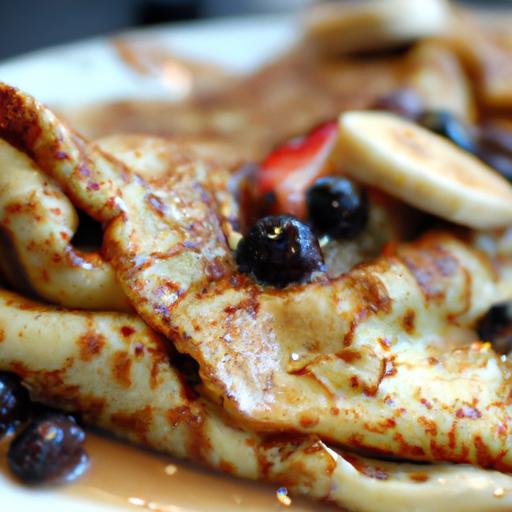
Elevate your French crêpe experience by pairing them with inventive fillings and toppings.Conventional sweet options include a drizzle of tangy Nutella, a dusting of fine powdered sugar, or fresh seasonal berries with whipped cream. For a savory twist, consider sautéed mushrooms with garlic and thyme, melted Gruyère cheese, or smoked salmon with crème fraîche and dill.
Rolling or folding your crêpes beautifully enhances presentation-triangles, envelopes, or tight rolls visually invite your guests to savor each bite. Garnish with fresh herbs or edible flowers for an extra touch of finesse. Serve alongside a light salad or a fragrant cup of café au lait to complete the classic French brunch ambiance.
Quick Nutritional Overview
| Nutrient | Per Crêpe (Approx.) |
|---|---|
| Calories | 90 kcal |
| Protein | 3 g |
| Carbohydrates | 12 g |
| Fat | 3 g |

For those excited to explore further, check out our guide to classic crêpe sauces which pairs beautifully with this recipe.
For more detailed insights into French cooking techniques, the Food Network offers trusted resources and inspiration to keep your culinary journey vibrant and rewarding.
Q&A
Q&A: mastering the Art: Crafting Perfect French crêpes at Home
Q1: What makes French crêpes different from regular pancakes?
A1: Unlike fluffy American pancakes, French crêpes are ultra-thin, delicate, and versatile. They have a lacy texture and a subtle richness, making them perfect for both sweet and savory fillings. The magic lies in the batter’s simplicity and the skillful technique of spreading it thinly on a hot pan.
Q2: What are the essential ingredients for authentic French crêpes?
A2: True French crêpes hinge on a handful of basic ingredients: all-purpose flour, eggs, milk, a pinch of salt, and a touch of melted butter. Some recipes add a hint of sugar for sweet crêpes or a splash of vanilla or rum to elevate the flavor, but the classic batter remains beautifully minimal.
Q3: How important is batter consistency and resting time?
A3: the batter should flow like liquid silk-thin enough to coat the pan evenly but not so watery it slides off. Resting the batter for at least 30 minutes (or up to overnight) is crucial; it allows the gluten to relax and the flour to fully hydrate, ensuring tender crêpes that won’t tear.
Q4: What’s the secret to cooking crêpes evenly without sticking?
A4: A well-seasoned non-stick skillet or a traditional crêpe pan, lightly brushed with melted butter, is your best friend. Heat it to medium-high until hot but not smoking,pour just enough batter,and swirl immediately in a circular motion to create a thin,even layer. Patience and practice will hone your technique.
Q5: How can I get that perfect golden edge and soft center?
A5: Cook the crêpe for about 1 to 2 minutes on the first side until the edges lift naturally and turn golden. Flip gently with a spatula and cook the second side for just 30 seconds to maintain softness. The contrast of crisp edges and tender center is the hallmark of a perfect crêpe.
Q6: Can crêpes be made in advance?
A6: Absolutely! Stack cooled crêpes separated by parchment paper and store them in an airtight container in the refrigerator for up to 2 days. To revive, warm gently in a dry skillet or microwave wrapped in a damp towel-ready to be filled and devoured.
Q7: What are some classic fillings and toppings to try?
A7: For a sweet treat, think lemon juice and powdered sugar, Nutella and bananas, or fresh berries with whipped cream. For savory, explore ham and cheese, sautéed mushrooms with herbs, or spinach and goat cheese. The beauty of crêpes is their adaptability-each one a blank canvas.
Q8: Any tips for serving crêpes like a French pro?
A8: Presentation is part of the charm! fold crêpes into quarters or roll them gently, drizzle with sauces, sprinkle powdered sugar, or adorn with fresh fruit. Pair with a café au lait or a glass of crisp cider to transport your palate to Parisian cafés.
Q9: What common mistakes should I avoid when making crêpes at home?
A9: Avoid batter that’s too thick-it makes heavy, clumpy crêpes. Don’t skip the resting time, as it impacts texture.Cooking on too high heat can cause burning before the crêpe cooks through. and don’t pour too much batter-thin layers are key. Lastly, practice patience: flipping crêpes is an art, not a race!
Q10: Why is mastering crêpes worth the effort?
A10: Because crêpes transform simple ingredients into an elegant dish that’s endlessly customizable, perfect for any meal or moment. They invite creativity, evoke memories of French street markets and cozy kitchens, and offer a tasty canvas to share with loved ones. Master them, and you hold a little piece of culinary artistry in your hands.
The Conclusion
Whether you’re flipping your very first crêpe or perfecting your thousandth, the art of crafting these delicate French delights is a journey worth savoring. With each thin, golden circle, you’re not just making food-you’re embracing a tradition steeped in history, technique, and endless possibilities for creativity. so gather your ingredients, warm up the pan, and let the rhythmic dance of batter and heat guide you. Soon enough,your homemade crêpes will be anything but ordinary; they’ll be a delicious testament to your mastery and a canvas for your culinary creativity. Bon appétit!