
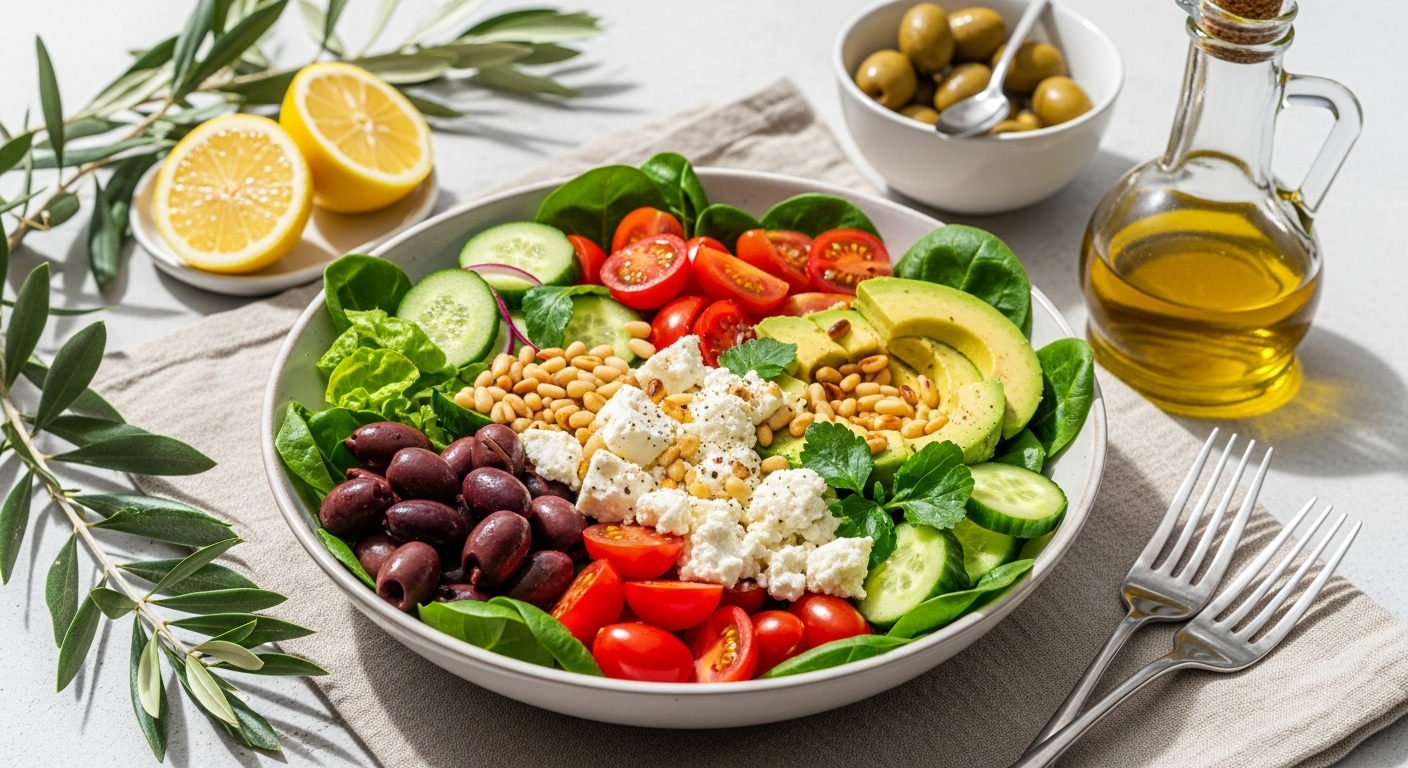
Beneath the sun-drenched skies of the Mediterranean, vibrant gardens burst with an abundance of fresh herbs, crisp vegetables, and luscious fruits-ingredients that have long formed the heart of a celebrated culinary tradition. Fresh Flavors: A Guide to Healthy Mediterranean Salads invites you to embark on a flavorful journey where simplicity meets nourishment. In this article, we’ll explore how the Mediterranean diet transforms humble salads into colorful, nutrient-packed masterpieces that not only delight the palate but also nourish the body. Whether you seek a refreshing lunch or a wholesome side dish,prepare to awaken your senses with recipes that marry freshness and health in every bite.
fresh flavors are the heartbeat of Mediterranean salads, where a vibrant tapestry of ingredients creates a sensory feast. Drawing inspiration from sun-drenched coastlines and bountiful markets, this culinary art celebrates crisp vegetables, briny olives, aromatic herbs, and zesty citrus-all harmoniously tied together by masterful dressings. Each component invites you to savor freshness, balance, and nutrition, making these salads both a delight to eat and a festivity of wholesome goodness.
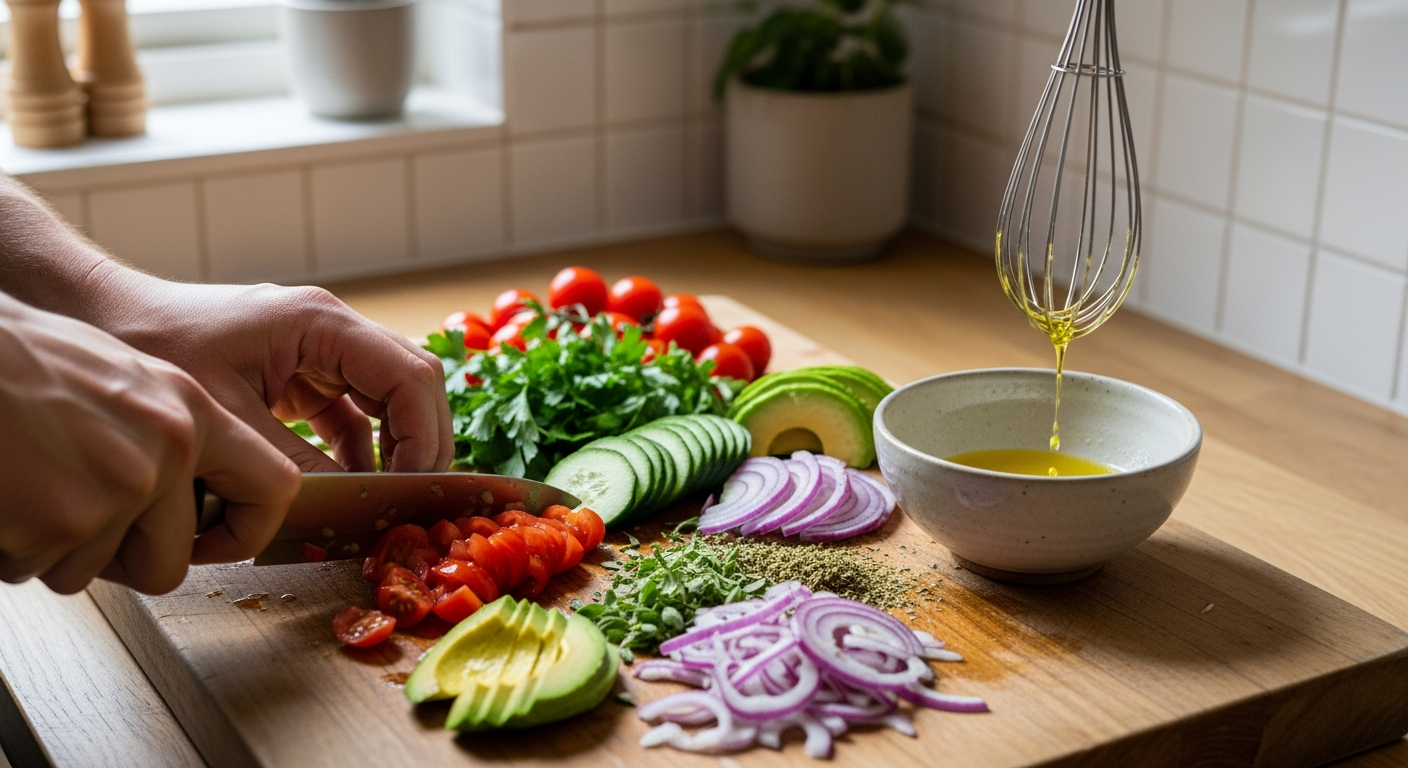
Prep and Cook Time
Prep Time: 20 minutes
Cook Time: 0 minutes (no cooking required)
Yield
Serves 4 as a refreshing main course or 6 as a side salad
Difficulty Level
Easy – Perfect for a quick, healthy meal or entertaining guests
Ingredients
- 2 cups mixed baby greens, washed and spun dry
- 1 cup cherry tomatoes, halved
- 1 medium cucumber, diced
- 1/2 cup pitted Kalamata olives, halved
- 1/4 cup thinly sliced red onion
- 1/2 cup crumbled feta cheese
- 1/4 cup toasted pine nuts
- 1 ripe avocado, diced
- 2 tbsp chopped fresh mint
- 2 tbsp chopped fresh parsley
- 1 tbsp finely chopped fresh oregano
- 1/4 cup extra virgin olive oil
- 3 tbsp freshly squeezed lemon juice (about 1 large lemon)
- 1 tsp Dijon mustard
- 1 tsp honey or maple syrup
- Salt and freshly cracked black pepper, to taste
- 1/4 cup cooked quinoa (optional superfood boost)
- Handful of baby spinach or kale (optional for extra nutrients)
Instructions
- Prepare the greens and veggies: In a large salad bowl, combine mixed baby greens, cherry tomatoes, cucumber, red onion, and olives. Add quinoa and additional leafy greens if using for enhanced nutrition and texture.
- Toast the pine nuts: In a dry skillet over medium heat, toast pine nuts until golden and fragrant, about 3 minutes. Stir constantly to avoid burning. Let cool slightly.
- Make the dressing: In a small bowl, whisk together extra virgin olive oil, lemon juice, Dijon mustard, honey, chopped oregano, salt, and pepper. Taste and adjust acidity or sweetness as needed to achieve a balanced, luminous flavor.
- Toss the salad: Drizzle the dressing over the salad greens and vegetables. Toss gently to coat everything evenly without bruising delicate leaves.
- Add creamy avocado and feta: Fold in the diced avocado and crumbled feta cheese carefully to maintain their structure.
- finish with herbs and nuts: Sprinkle fresh mint, parsley, and toasted pine nuts over the top for bursts of flavor and crunch that define Mediterranean salads.
- Serve immediately: Freshness is key. Serve chilled or at room temperature to enjoy the lively textures and bright notes.
Tips for Success
- For extra depth, marinate olives briefly in olive oil, garlic, and rosemary before adding to salad.
- Substitute feta with crumbled goat cheese for a tangier twist or omit dairy for a vegan version.
- Quinoa adds protein and a nutty flavor; substitute with bulgur or farro to vary textures.
- To save time, prepare dressing in advance and store in an airtight container for up to 3 days.
- Always add avocado last to prevent browning and retain its creamy freshness.
Creative Serving Suggestions
Elevate your Mediterranean salad experience by serving it in rustic terracotta bowls or on a wooden platter lined with parchment paper for picnic-perfect vibes.garnish with lemon wedges and extra herbs for vibrant pops of colour.
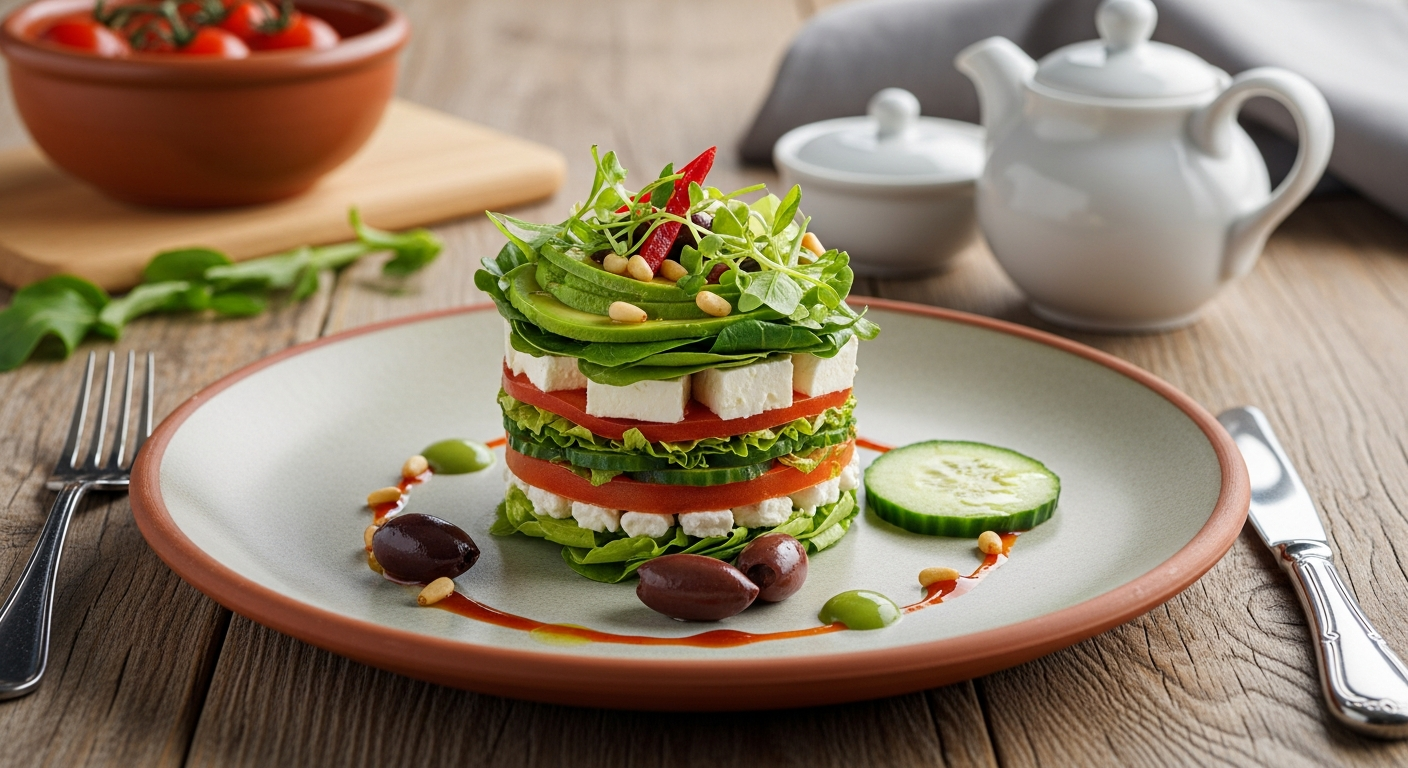
Pair with warm, crusty whole-grain bread brushed lightly with garlic oil or a side of grilled halloumi to introduce savory contrasts. for entertaining, present individual salad jars layered with dressing at the bottom and ingredients artfully stacked-ideal for grab-and-go freshness.
Consider topping with a dollop of Greek yogurt mixed with minced garlic and dill as a creamy accompaniment that echoes Mediterranean flavors beautifully.
| Nutrient | Amount per Serving |
|---|---|
| Calories | 280 |
| Protein | 7g |
| carbohydrates | 12g |
| Fat | 22g |
Discover more nutritious recipes in our Mediterranean diet Meals collection and learn about the ancient health benefits of the Mediterranean lifestyle at Harvard T.H. Chan School of Public Health.
Q&A
Q&A: Fresh Flavors – A Guide to Healthy Mediterranean Salads
Q1: What makes Mediterranean salads stand out from other salad varieties?
A1: Mediterranean salads are vibrant mosaics of colors, flavors, and textures, rooted in the sun-kissed regions bordering the Mediterranean Sea. Unlike typical leafy greens-only salads, they creatively blend fresh vegetables, herbs, legumes, nuts, and often a touch of cheese or olives. This combination offers a symphony of taste with wholesome nutrition, highlighting heart-healthy olive oil and bold, natural ingredients.
Q2: Which key ingredients define a traditional Mediterranean salad?
A2: Classic Mediterranean salads often feature ingredients like ripe tomatoes, crisp cucumbers, sweet bell peppers, red onions, Kalamata olives, and crumbled feta cheese. Fresh herbs such as oregano, parsley, and mint add aromatic depth. A drizzle of extra-virgin olive oil and a splash of lemon juice or red wine vinegar complete the ensemble, creating a refreshing and balanced flavor profile.
Q3: How do Mediterranean salads contribute to a healthy diet?
A3: These salads pack a powerful nutritional punch. They are rich in fiber, antioxidants, vitamins, and healthy fats-especially monounsaturated fats from olive oil, which support heart health. The abundance of fresh vegetables helps maintain optimal hydration and digestion, while herbs deliver added anti-inflammatory properties. Mediterranean salads are also naturally low in processed sugars and unhealthy fats, making them perfect for nourishing, guilt-free meals.
Q4: can Mediterranean salads be adapted for different dietary preferences?
A4: Absolutely! Mediterranean cuisine is wonderfully flexible.For vegans, simply omit cheese or swap feta for plant-based alternatives. For those seeking extra protein, add grilled chicken, chickpeas, or seafood like shrimp. Gluten-free eaters can enjoy these salads freely, as they’re naturally carb-light. The magic is in mixing and matching fresh, wholesome ingredients to suit your taste and nutritional goals.
Q5: What’s the secret to making the dressing for a Mediterranean salad?
A5: The secret lies in simplicity and quality. A traditional Mediterranean dressing is an emulsion of extra-virgin olive oil, freshly squeezed lemon juice or vinegar, a pinch of sea salt, freshly ground black pepper, and sometimes a touch of Dijon mustard or minced garlic for complexity. The ingredients should be balanced to enhance, not overpower, the fresh produce. Whisk or shake vigorously to marry the flavors and coat every bite beautifully.
Q6: How can I elevate my Mediterranean salad to a restaurant-quality experience at home?
A6: Elevate your salad by focusing on ingredient quality and thoughtful presentation. Use heirloom tomatoes or locally harvested veggies for intense flavor and color. Toast nuts or seeds to add crunch and warmth, and consider roasting some vegetables for smoky contrast. Fresh herbs should be added last to preserve their brightness. serve your salad in a beautiful bowl and pair it with crusty whole-grain bread and a glass of crisp white wine or sparkling water with lemon.
Q7: Are ther any lesser-known Mediterranean salads worth trying?
A7: Definitely! While Greek salad is well-loved, explore tabbouleh, a parsley-and-bulghur wheat salad bursting with lemon and mint, or fattoush, a Lebanese dish featuring tangy sumac and crunchy toasted pita. Another gem is the Sicilian caponata salad, blending eggplant, tomatoes, and capers for a sweet-savory twist. Each salad tells a unique regional story, inviting you to savor the diverse tapestry of the Mediterranean diet.
Q8: How frequently enough should I include Mediterranean salads in my diet for maximum benefits?
A8: Incorporating mediterranean salads into your meals several times a week can greatly boost your nutrient intake and support overall well-being. Their fresh ingredients help maintain energy, aid digestion, and promote heart health. Think of these salads as a daily celebration of nature’s bounty-light, vibrant, and endlessly nourishing.
By embracing the charm of Mediterranean salads, you invite a fresh, flavorful, and healthy lifestyle onto your plate-one crisp bite at a time.
Closing Remarks
As the vibrant colors and crisp textures of Mediterranean salads dance on your palate, remember that embracing these fresh flavors is more than just a culinary choice-it’s a celebration of health, tradition, and the joy of simple, wholesome ingredients. Whether you’re tossing together a classic Greek salad or experimenting with zesty citrus and fragrant herbs, these recipes invite you to savor the bounty of the Mediterranean in every bite. So next time you crave a meal that nourishes both body and soul, let the bright, refreshing world of Mediterranean salads inspire your kitchen creations and elevate your wellness journey. fresh flavors, vibrant health-your Mediterranean salad adventure awaits.