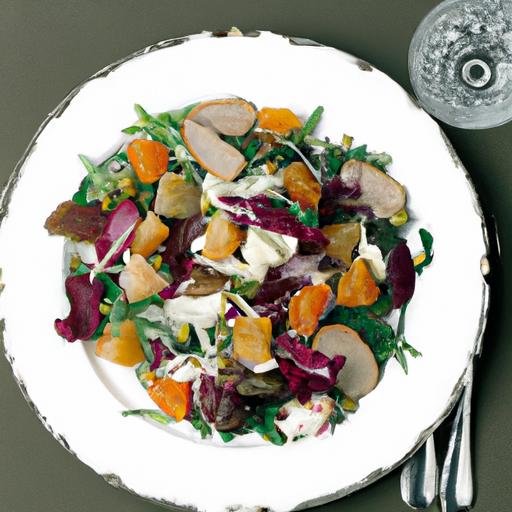

As the sun reaches its zenith and bustling cities pause in quiet anticipation, a cherished ritual unfolds across Europe’s diverse landscapes: the midday feast. More than just a meal, lunch in Europe is a vibrant tapestry woven from centuries of culture, geography, and community. From the leisurely multi-course spreads of southern France to the hearty fare of northern Germany, each region invites diners to savor not only flavors but stories. This article embarks on a flavorful journey through Europe’s rich tradition of lunches, exploring how midday meals nourish both body and soul, reflecting the continent’s enduring passion for connection, festivity, and culinary artistry.
regional Flavors and Signature Dishes to Savor
Midday Feasts: Exploring the Rich Tradition of European Lunches invites you on a culinary journey through the heart of Europe, where every plate tells a story of heritage and culture. Take, for example, the vibrant spanish paella, a saffron-infused rice dish brimming with fresh seafood and smoky chorizo, originating from Valencia’s sun-drenched coastlines. Or the humble yet hearty French quiche Lorraine, with its creamy custard and smoky bacon nestled inside a buttery, flaky crust.Each region blends its local bounty and history, painting a rich culinary tapestry that transforms midday meals into celebrations.
These dishes are more than just lunch-thay’re an invitation to savor tradition, to experience flavors shaped over centuries, and to craft meaningful moments around the table.
Prep and Cook Time
- Preparation Time: 20 minutes
- Cook Time: 35 minutes
- Total Time: 55 minutes
Yield
- Serves 4 hungry guests
Difficulty Level
- Medium – approachable for those comfortable with basic culinary techniques
Ingredients
- 1½ cups Arborio rice (or short-grain rice, rinsed and drained)
- 3 cups mixed seafood (mussels, shrimp, squid rings, cleaned)
- 1 chorizo sausage, sliced thin
- 1 red bell pepper, julienned
- 1 small onion, finely chopped
- 3 garlic cloves, minced
- 1 large ripe tomato, grated
- 1 tsp smoked paprika
- Pinch of saffron threads, soaked in 2 tbsp warm water
- 4 cups seafood stock or fish broth
- 3 tbsp olive oil
- Fresh parsley for garnish
- lemon wedges for serving
- Salt and freshly ground black pepper, to taste
Instructions
- Warm the olive oil in a large, shallow skillet over medium heat. Sauté the onion and garlic until translucent and fragrant, about 5 minutes.
- Add the chorizo slices and cook until they release their oils and start to crisp, roughly 4 minutes. Stir occasionally to avoid sticking.
- Mix in the grated tomato, smoked paprika, and saffron with its soaking water. Cook for 3 minutes until the mixture thickens slightly.
- Stir in the rice, coating each grain with the aromatic base. Toast for 2 minutes, stirring continuously.
- Pour in the seafood stock and bring to a gentle simmer. Reduce heat to medium-low and cook uncovered for 15 minutes without stirring.
- Arrange the mixed seafood and red bell pepper on top of the rice. Cover the pan with a lid or foil.Cook for an additional 10-12 minutes, until the seafood is opaque and rice is tender.
- Remove the lid and allow the paella to rest for 5 minutes off heat. Season with salt and pepper to taste.
- Garnish generously with fresh parsley and serve with lemon wedges for a vibrant, zesty finish.
Tips for Success
- Stock matters: Using a high-quality seafood stock amplifies flavor-try making your own with shrimp shells and vegetables for a richer depth.
- Don’t stir: resist stirring after adding the broth; this helps develop the famed crispy “socarrat” crust at the bottom, a hallmark of authentic paella.
- Seafood variety: Feel free to swap with locally available fresh seafood.Clams, scallops, or firm white fish add delightful texture contrasts.
- Make-ahead: Prep the sofrito base (onions, garlic, tomato, spices) a day prior to save time on the day of cooking.
- Vegetarian option: Replace seafood with artichoke hearts, roasted peppers, and green peas for a colorful and satisfying meat-free version.
serving Suggestions
Present your paella family-style on a rustic wooden board to emphasize its communal roots. Drizzle freshly squeezed lemon juice just before serving to brighten the flavors. Complement the plate with hearty slices of crusty country bread and a crisp green salad tossed with a tangy vinaigrette. To enhance the European midday feast experience, sprinkle additional chopped parsley and scatter whole pitted olives around the plate for visual interest and bursts of briny flavor.
| nutritional Info (per serving) | Amount |
|---|---|
| Calories | 480 kcal |
| Protein | 35 g |
| Carbohydrates | 45 g |
| Fat | 14 g |
Crafting the Perfect European-Inspired Lunch Experience
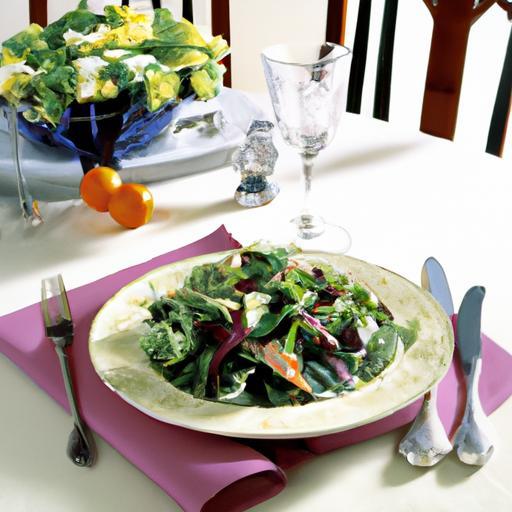
Creating a truly memorable midday feast hinges on more than just the dish itself-it’s also about atmosphere and the thoughtful pairing of flavors. Soft linen napkins, vibrant ceramic plates, and natural light conjure the warmth of a European terrace. Infuse your space with the subtle aroma of fresh herbs like basil and rosemary to awaken the senses, making the meal an immersive celebration of culture and taste.
Tips for Pairing Traditional Lunches with Local Beverages
Pairing the perfect drink with your midday meal elevates the experience. When serving a Spanish-inspired seafood paella, a chilled glass of Albariño or Verdejo brightens the palate with crisp acidity and citrus notes. For the rustic quiche Lorraine or a German warm potato salad, try a glass of dry Riesling or a light, effervescent Pilsner to balance richness.
Explore local european beverages like italian sparkling mineral water S.Pellegrino or Greek ouzo, which introduces subtle anise flavors perfect for Mediterranean dishes. These thoughtful beverage choices complement the regional flavors of your midday feast seamlessly.

For an inspirational exploration of European lunch culture,check out our related article on European Street Food Classics,where handheld bites bring midday feasts alive on bustling city streets.
Q&A
Q&A: Midday Feasts – Exploring the Rich Tradition of European Lunches
Q1: What makes European lunches uniquely special compared to other meals during the day?
A1: European lunches are not just about nourishment-they are a cultural ritual steeped in history, community, and celebration.Unlike rushed meals elsewhere, many European countries treat lunch as a sacred pause, blending artful flavors with leisurely conversations. It’s a midday feast where ingredients, tradition, and timing converge to create an experience that feeds both body and soul.
Q2: Which countries are renowned for their distinctive lunch traditions, and what sets them apart?
A2: Italy’s pranzo, Spain’s comida, and France’s déjeuner each tell a rich story. Italians frequently enough enjoy a multi-course affair featuring fresh pasta, seasonal vegetables, and a glass of wine, embracing “slow food” as a form of love. In Spain, lunch is typically the largest meal of the day, frequently enough accompanied by tapas and a siesta, reflecting a lifestyle centered on balance and conviviality. Meanwhile, the French take pride in meticulously prepared dishes served in courses, paired with bread and cheese-turning even midweek lunches into a refined affair.
Q3: How have modern lifestyles influenced traditional European lunches?
A3: The fast-paced reality of today challenges long midday meals, pushing many to adapt with quicker, yet still authentic, versions. Urban workers might enjoy simpler versions of traditional dishes, such as salads inspired by Mediterranean flavors or grab-and-go paninis.Though, many regions steadfastly preserve the essence of a leisurely lunch by closing shops and offices, emphasizing the continuing cultural importance of midday feasting.
Q4: What role does the concept of community play in European lunch traditions?
A4: Lunch in Europe often doubles as a social glue, where families, friends, and colleagues gather around the table. It’s a time to reconnect, share stories, and strengthen bonds. Whether it’s a bustling café in Paris or a rustic trattoria in Tuscany, lunches act as communal celebrations-turning a simple meal into a vibrant social occasion.
Q5: Can you highlight some classic dishes typical of European lunches?
A5: Certainly! Think Spanish paella brimming with saffron-infused rice and seafood, Italian risotto rich with risotto Milanese’s golden hues, or French quiche Lorraine with its creamy custard. these dishes embody the seasonality, regional produce, and culinary heritage that define European midday feasts.
Q6: How can travelers best experience authentic European lunches?
A6: Dive beyond tourist traps and seek out local markets,family-run bistros,and traditional eateries. Timing matters-plan to eat between 12 and 3 pm to catch the full lunch vibe. Engaging with locals, asking for recommendations, and embracing the unhurried pace will unlock the heart of Europe’s rich lunch culture.
Q7: what lessons can other cultures learn from the European approach to lunch?
A7: The key takeaway is the celebration of time and togetherness. european lunches remind us to slow down, savor food with mindful appreciation, and prioritize human connection. In a world dominated by hustle, their tradition encourages a nourishing pause-a feast not just for hunger, but for happiness.
The Way Forward
As the midday sun casts its warm glow across bustling european towns and serene countryside villages alike, the tradition of the midday feast continues to thrive-bridging history, culture, and community in every shared bite.From hearty stews and artisanal breads to delicate pastries and vibrant salads,these lunches are more than just a meal; they are a celebration of life’s simple pleasures. Exploring the rich tapestry of European lunches reveals not only diverse flavors but also the cherished rhythms of daily life, reminding us that sometimes, the best way to connect with a culture is through the timeless ritual of breaking bread at midday. So next time you pause for your lunch, consider embracing a bit of this tradition-your palate and your spirit may thank you.