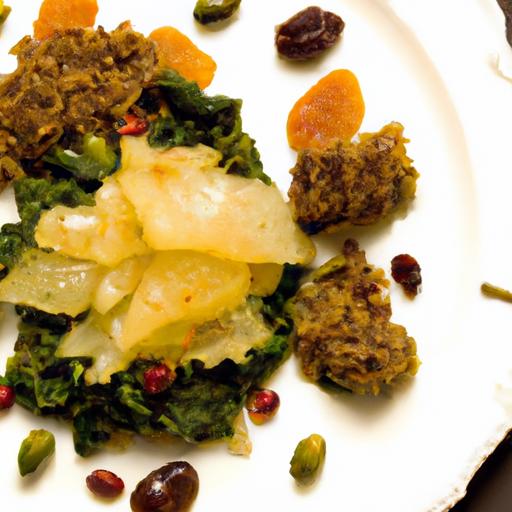
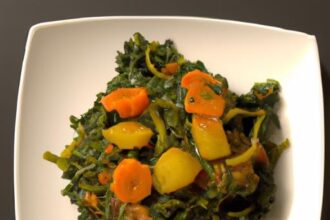
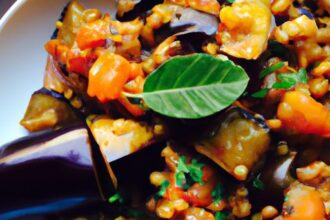
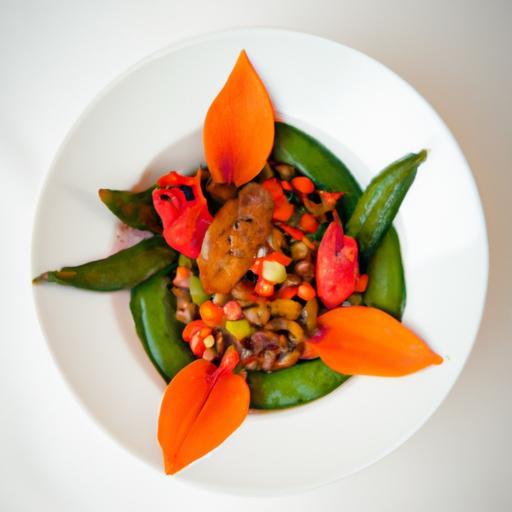
Amid the sun-soaked landscapes and sweeping savannas of Africa lies a treasure trove of culinary heritage often overlooked: Millet Marvels. These tiny, resilient grains known as Millet Marvels have sustained communities for centuries, weaving themselves into the vibrant fabric of African culture and cuisine. More than just humble staples, Millet Marvels are shining examples of nutrition and versatility, offering a window into the continent’s rich agricultural history and innovative food traditions. From golden porridges to hearty stews, Millet Marvels embody the spirit of resilience and the beauty of simplicity. In this journey, we uncover Africa’s hidden grain delights—celebrating Millet Marvels’ enduring legacy and their growing presence in modern kitchens worldwide.
Millet Marvels are not only a festivity of Africa’s ancient grain heritage but also a gateway to vibrant, wholesome dishes filled with rustic charm and nourishing goodness. Originating from nutrient-dense varieties cultivated across the continent, Millet Marvels have sustained diverse cultures for generations. Their subtle nutty flavor and fluffy texture lend themselves beautifully to both traditional and modern recipes. Each spoonful of Millet Marvels tells a story of culture, endurance, and connection to the earth. I vividly recall my first taste of a warm millet porridge in a sunlit Kenyan kitchen—one of the many Millet Marvels moments that captured my heart with its comforting aroma and gentle earthiness. It was then I understood why Millet Marvels are truly nutritional powerhouses. Whether served as breakfast comfort or gourmet innovation, Millet Marvels continue to inspire, nourish, and celebrate Africa’s culinary soul—proving that Millet Marvels are more than food; they are a legacy of life and vitality that endures across generations.
Prep and cook Time
- Readiness Time: 15 minutes
- Cooking Time: 30 minutes
- Total Time: 45 minutes
Yield
Serves 4 generously
Difficulty Level
Easy to Medium – Perfect for cooks eager to explore millet’s versatility without overwhelming complexity
Ingredients
- 1 cup whole millet, rinsed and drained
- 3 cups water or vegetable broth for added flavor
- 1 medium onion, finely chopped
- 2 cloves garlic, minced
- 1 cup diced tomatoes, fresh or canned
- 1 cup chopped spinach or kale
- 1 tsp smoked paprika
- 1/2 tsp ground cumin
- 2 tbsp olive oil
- Salt and freshly ground black pepper to taste
- 1/4 cup toasted peanuts or pumpkin seeds (optional for garnish)
Instructions
- Toast the millet: In a dry skillet over medium heat, toast the millet grains untill fragrant and slightly golden, about 4 minutes, stirring constantly to avoid burning. This step enhances the grain’s nutty flavor.
- Sauté aromatics: Heat the olive oil in a large saucepan over medium heat. Add the chopped onion and sauté until translucent, about 5 minutes. Stir in the minced garlic and cook for another minute until aromatic.
- Add spices and tomatoes: Sprinkle in the smoked paprika and cumin, stirring well to coat the onions. Pour in the diced tomatoes and cook until the mixture thickens slightly, roughly 7 minutes.
- Cook the millet: Add the toasted millet to the pan, stir to combine, then pour in the water or vegetable broth. Bring to a gentle boil, then reduce heat to low.Cover and simmer for 20 minutes or until the millet is tender and the liquid is absorbed.
- Incorporate greens: Stir in the chopped spinach or kale, cover for an additional 3-5 minutes to wilt the greens gently without overcooking.
- Season and serve: taste and adjust seasoning with salt and freshly ground black pepper. Fluff the millet with a fork before plating.
- Garnish: Sprinkle toasted peanuts or pumpkin seeds on top for a delightful crunch and a nutty contrast that complements the dish’s texture and flavor.
Tips for Success
- For a creamier texture, substitute 1 cup of the cooking liquid with coconut milk or a unsweetened nut milk.
- Experiment with additional spices such as coriander or turmeric to imbue regional variations.
- Use pre-toasted millet to cut down preparation time – ensure you adjust cooking time accordingly.
- make-ahead tip: This dish can be prepared fully and refrigerated for up to 3 days. Reheat gently with a splash of water or broth to revive its fluffy texture.
Serving Suggestions
This millet dish shines as a wholesome main or a hearty side. Serve alongside grilled vegetables, spicy stews, or fresh salads.Garnish with fresh herbs such as cilantro or parsley for a burst of colour and freshness. A drizzle of lemon juice or a dollop of yogurt complements the warm, earthy flavors perfectly.

| Nutrient | Per Serving |
|---|---|
| calories | 280 kcal |
| Protein | 7 g |
| Carbohydrates | 52 g |
| Fat | 6 g |
To deepen your culinary journey with millet, explore our detailed guide on African Millet Traditional Preparations. For more on millet’s health benefits and sustainable cultivation, visit the FAO Millet Resource Center.
Q&A
Q&A: Millet Marvels – Exploring Africa’s Hidden Grain Delights
Q1: What makes millet such a remarkable grain in the context of Africa?
A1: Millet is often called Africa’s ancient supergrain-resilient, nutritious, and steeped in cultural heritage. Thriving where other crops might falter, millet endures Africa’s dry climates and poor soils, quietly sustaining communities for centuries. Its hardiness makes it a marvel of natural adaptation and a quiet hero in food security.
Q2: How does millet compare nutritionally to more commonly known grains like wheat or rice?
A2: Millet is a powerhouse packed with nutrients-rich in fiber, protein, iron, magnesium, and antioxidants. Unlike rice or wheat, many varieties of millet are gluten-free, making them an excellent option for those with sensitivities. Its slow-digesting carbohydrates also provide steady energy, lending it a place of honor at the table for health-conscious eaters.
Q3: Can you highlight some unique varieties of millet found across Africa?
A3: Certainly! Pearl millet reigns in West africa as a staple with a nutty flavor and coarse texture, perfect for porridge and flatbreads. Finger millet, cherished in east Africa, offers a sweet, earthy taste and is the secret behind traditional fermented beverages and dense, wholesome cakes. Fonio,a tiny grain from the Sahel,earns admiration for its swift cooking time and delicate,nutty aroma-a rising star in the world of ancient grains.
Q4: In what traditional African dishes does millet take center stage?
A4: Millet forms the heart of numerous beloved dishes. In Nigeria and Mali, millet porridge-sometimes sweetened with honey or spiced up-is a morning staple. In Ethiopia, injera-like flatbreads made from millet add a distinct flavor and texture to daily meals. Senegalese cuisine features couscous made from millet,pairing the grain’s gentle nuttiness with rich,savory stews.
Q5: How is millet cultivation important for Africa’s future food security?
A5: Millet’s resilience to heat, drought, and low-fertility soils makes it a crop for the future-especially as climate change challenges traditional agriculture. Supporting millet cultivation empowers smallholder farmers, preserves biodiversity, and promotes sustainable agriculture. It’s not just a grain; it’s an anchor for resilience and a blueprint for nourishing generations to come.
Q6: What innovative ways are chefs and food enthusiasts using millet today?
A6: The culinary world is awakening to millet’s potential beyond traditional borders.Artisanal bakers are crafting millet breads and crackers with rich, complex flavors. Mixologists experiment with millet-based spirits and fermented beverages, while chefs plate millet risottos, salads, and grain bowls that celebrate its versatility. From ancient African granaries to modern gourmet menus, millet is making its appetizing, nutritious comeback.Q7: Where can readers experience millet for themselves outside of Africa?
A7: Millet is increasingly available in health food stores, international markets, and online.Look for whole grains, flour, and even ready-made products like millet snacks or cereals. Many African diaspora communities share their culinary heritage through restaurants and festivals, offering a vibrant, firsthand taste of millet’s marvels. Experimenting at home with millet recipes can be both an adventure and a tribute to one of Africa’s hidden treasures.
Millet is more than just a grain-it is a storyteller of survival, culture, and innovation. By exploring millet, we connect with Africa’s fertile spirit and open a door to nourishing possibilities.
Concluding Remarks
As we close the chapter on Africa’s millet marvels, it’s clear that these humble grains are more than just ancient staples-they are vibrant threads woven into the continent’s cultural fabric and nutritional future. From nourishing communities to inspiring innovative cuisines, millets stand as a testament to resilience and sustainability. By embracing these hidden grain delights, we not only honor traditions long cherished but also open doors to healthier diets and eco-friendly farming. So next time you seek a supergrain with stories as rich as its flavor, remember millet-Africa’s enduring gift to the world’s table.