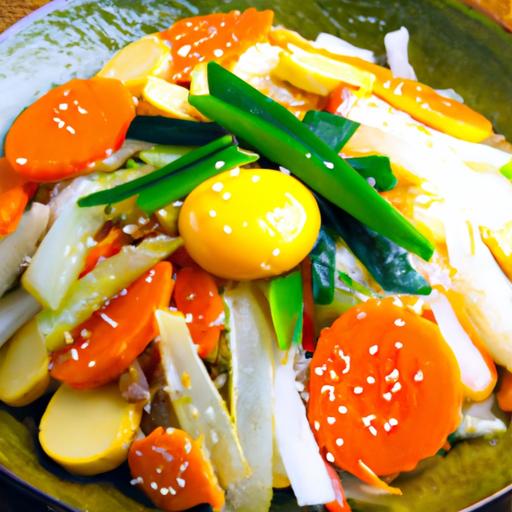
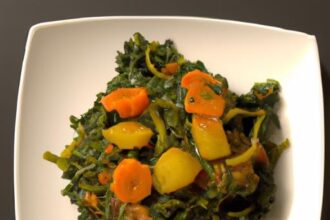
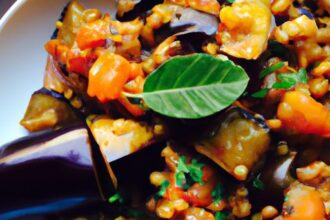
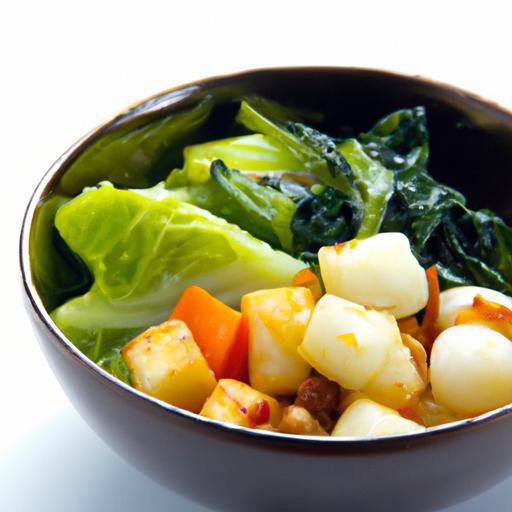
There’s a certain magic in the early hours of Korea, where the air is filled with the subtle aromas of sizzling delicacies and the promise of a new day.Korean breakfasts, far from the rushed routine of toast and coffee, offer a vibrant tapestry of flavors that awaken the senses and nourish the soul. From comforting bowls of warm congee to savory pancakes dripping with fresh scallions, morning meals in Korea are a celebration of tradition, culture, and culinary artistry. In this journey through “Morning Delights: exploring the Flavors of Korean Breakfast,” we’ll uncover the iconic dishes and hidden gems that make waking up in Korea a delicious adventure worth savoring.
Savoring Savory Korean Pancakes to energize Your Morning
Morning Delights: Exploring the Flavors of Korean Breakfast invites you to experience the irresistible charm of savory Korean pancakes, or jeon, a dish that perfectly balances crispy textures and bold flavors. These golden delights have long been a staple at Korean tables-cherished for their comforting warmth and versatility.Whether enjoyed with a simple soy-based dipping sauce or paired alongside steamy rice porridge, these pancakes energize your morning with every bite.
Prep and Cook Time
- Prep Time: 15 minutes
- Cook Time: 10 minutes
- Total Time: 25 minutes
Yield
4 servings (makes approximately 8 medium-sized pancakes)
Difficulty Level
Easy
Ingredients
- 1 cup all-purpose flour, sifted
- 1/2 cup cold water
- 1 large egg
- 1/2 teaspoon salt
- 1/2 cup Korean zucchini, julienned (or substitute with regular zucchini)
- 1/2 cup carrot, julienned
- 1/4 cup chopped green onions
- 1/4 cup small shrimp (optional, peeled and deveined)
- Vegetable oil, for frying
- For the dipping sauce:
- 2 tablespoons soy sauce
- 1 tablespoon rice vinegar
- 1 teaspoon toasted sesame oil
- 1 teaspoon sugar
- 1 tablespoon finely chopped green onion
- Pinch of red pepper flakes (optional)
Instructions
- Prepare the batter: In a medium bowl, whisk all-purpose flour, cold water, egg, and salt until smooth and slightly runny – aim for a consistency similar to pancake batter. This ensures a crispy yet tender crust.
- Add the vegetables and shrimp: Gently fold in julienned zucchini, carrots, green onions, and optional shrimp. Evenly distributed ingredients create delightful textures in every bite.
- Heat the pan: Over medium heat, warm a non-stick skillet with about 2 tablespoons of vegetable oil. Test with a small drop of batter; it should sizzle promptly.
- Form the pancakes: Using a 1/4 cup measure, pour the batter onto the skillet, spreading lightly with the back of a spoon to a 4-5 inch diameter circle.
- Cook until golden: Fry each pancake for about 3-4 minutes per side, flipping carefully when the edges turn crisp and bubbles form on top. Adjust heat as needed to prevent burning.
- Drain and serve: Transfer pancakes to a paper towel-lined plate to absorb excess oil. Keep warm while cooking remaining batter.
- Make the dipping sauce: In a small bowl, whisk together soy sauce, rice vinegar, sesame oil, sugar, green onion, and optional red pepper flakes. Serve alongside the pancakes.
Chef’s Notes
- For a gluten-free option, substitute all-purpose flour with rice flour or a 1:1 gluten-free baking blend.
- Adjust vegetable combinations based on seasonal availability-bean sprouts, bell peppers, or mushrooms infuse extra flavor.
- To elevate the aroma, sprinkle toasted sesame seeds on top just before serving.
- Make-ahead tip: Prepare the batter and chop vegetables the night before, storing them separately in the fridge for freshness.
- If pancakes stick, add a little more oil and ensure your skillet is fully heated before pouring batter.
Serving Suggestions
These savory Korean pancakes are best enjoyed fresh off the pan accompanied by steamed rice and a bowl of mild juk (rice porridge) for a truly comforting breakfast experience. Garnish with thinly sliced green onions or a drizzle of toasted sesame oil to enhance the aroma. Pair with kimchi or a fresh cucumber salad for a refreshing contrast. For an on-the-go option, wrap slices in crisp lettuce leaves with a dab of chili paste.

| Nutrient | Per serving |
|---|---|
| Calories | 180 kcal |
| Protein | 7 g |
| Carbohydrates | 22 g |
| Fat | 6 g |
To deepen your understanding of Korean cuisine foundations, visit the Korean Bapsang blog, a treasure trove of traditional recipes and cultural stories.
Q&A
Q&A: Morning Delights – Exploring the Flavors of Korean breakfast
Q1: What makes a Korean breakfast unique compared to Western breakfasts?
A1: Korean breakfast is a vibrant symphony of flavors and textures that often leans toward savory and hearty rather than sweet and light.Unlike the typical Western breakfast of toast and cereal, a traditional Korean morning meal includes a variety of side dishes (banchan), warm rice, soup, and frequently enough fermented flavors like kimchi. This balance of nutrition and flavor means breakfasts are both satisfying and energizing, setting a dynamic tone for the day.
Q2: What are some common dishes you might find on a Korean breakfast table?
A2: A classic Korean breakfast might feature steamed white rice (bap), a bowl of mild soup such as doenjang jjigae (soybean paste stew) or miyeok-guk (seaweed soup), and several small side dishes like kimchi, seasoned spinach (sigeumchi namul), grilled fish, and pickled vegetables. occasionally, you might find jeon (savory pancakes) or egg rolls (gyeran mari), which add a comforting, homey touch.
Q3: How does kimchi contribute to the Korean breakfast experience?
A3: Kimchi is more than just a side dish-it’s a flavor powerhouse that awakens the palate with its spicy, tangy, and fermented notes. In the morning, it provides a refreshing contrast to the blandness of rice and the richness of soups. Beyond taste, kimchi offers probiotics, boosting digestion right from the start of the day.
Q4: Are Korean breakfasts always heavy and savory, or is there room for something lighter?
A4: While traditionally savory and hearty, modern Korean breakfasts can be quiet varied. Some people enjoy lighter options like juk (rice porridge), which is easy on the stomach and often served with simple garnishes like scallions or sesame oil. Others might opt for sweet rice cakes or fruit alongside their meal, creating a balanced morning spread that can cater to all appetites.
Q5: How do cultural values influence the Korean approach to breakfast?
A5: Korean breakfast reflects a deep respect for balance, community, and nourishment. Meals are often shared family affairs, emphasizing togetherness and harmony. The variety of dishes on the table underscores a mindful approach to nutrition,where each component fulfills a purpose-whether it’s providing energy,aiding digestion,or offering comfort. this thoughtful layering of taste and intent makes breakfast not just fuel, but a cherished ritual.
Q6: Can anyone easily try authentic Korean breakfasts at home?
A6: Absolutely! Many Korean breakfast dishes are surprisingly simple to prepare and can be adapted for different skill levels. Starting with staples like rice, kimchi, and a basic soybean paste soup can get you close to the authentic experience. As you grow pleasant,you can experiment with making side dishes or pancakes. Plus, with Korean ingredients becoming more available worldwide, bringing that morning delight to your kitchen has never been easier.
Q7: What’s the best way to savor a Korean breakfast like a local?
A7: Slow down and embrace the ritual. Korean breakfasts are enjoyed by tasting a bit of each dish, mixing and matching bites to experience harmony. Pairing warm rice with a spoonful of soup, followed by a crunchy bite of kimchi, allows your palate to dance with contrasting flavors and textures. remember, it’s about balance and enjoyment-not just eating to fill up-making it the perfect way to welcome the day.
Closing Remarks
As the morning sun casts its gentle glow over bustling streets and quiet neighborhoods alike, Korean breakfasts invite us to savor more than just a meal-they offer a glimpse into a culture rich with tradition, balance, and vibrant flavors. From the comforting warmth of a steaming bowl of juk to the savory bite of kimchi pancakes, each dish tells a story of heritage and harmony. Whether you’re a seasoned foodie or a curious traveler, exploring Korean breakfast is an invitation to start your day with nourishment that delights both palate and soul. So next time dawn breaks, consider awakening your senses with the colorful, wholesome tastes of Korea’s morning delights-a celebration of flavor that promises to inspire your mornings and beyond.