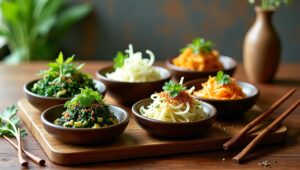
In the rich tapestry of Korean cuisine, namul holds a special place—an artful assembly of vibrant, seasoned vegetables that bring both color and character to every meal. “Namul Unveiled: Exploring Korea’s Vibrant Vegetable Sides” invites you on a sensory journey through this verdant world, uncovering the stories, techniques, and cultural significance behind Korea’s beloved medleys. Whether you’re a curious culinary explorer or a seasoned foodie, prepare to discover how namul transforms simple ingredients into unforgettable accompaniments that celebrate the harmony of nature and palate.
For centuries, namul has been a cornerstone of Korean dining traditions. Each dish is a reflection of balance and simplicity, crafted with seasonal produce enhanced by sesame oil, garlic, and a touch of spice. More than just food, namul is a practice of wellness and mindfulness, offering nourishment while honoring the earth’s gifts. Across homes and celebrations, namul continues to symbolize community and cultural pride.
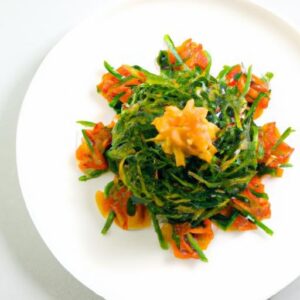
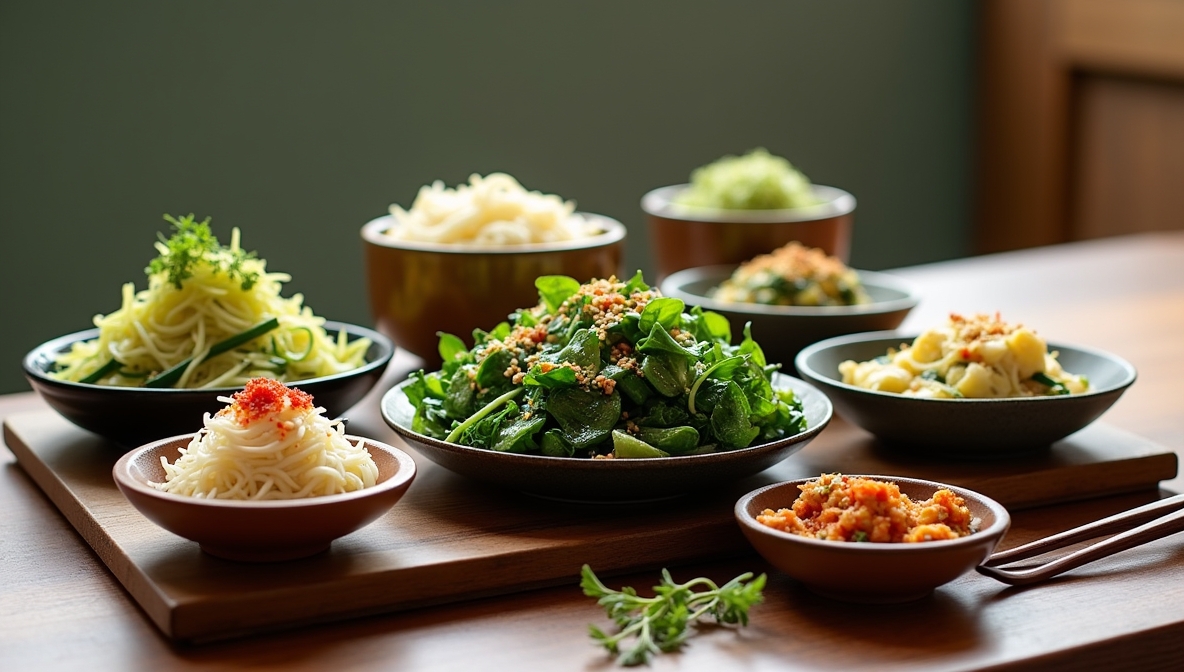
The beauty of namul lies in its variety. From spinach namul to bean sprout namul, fernbrake namul to radish greens, each preparation delivers a unique taste and texture. These Korean vegetable sides are versatile enough to complement rice, soups, and grilled meats, adding freshness and vibrancy to every meal. Preparing namul at home allows cooks to connect with tradition while exploring endless combinations of flavors.
For those discovering Korean cuisine, learning namul opens the door to authentic flavors without complexity. Each step—from blanching and seasoning to serving—is about respecting the natural character of vegetables. Through namul, simple ingredients become extraordinary, transforming everyday meals into cultural celebrations. From Seoul’s bustling kitchens to tables worldwide, namul continues to inspire connection, joy, and flavor.
Prep and Cook Time
- Planning: 15 minutes
- Cooking: 10 minutes
- Total Time: 25 minutes
Yield
Serves 4 as part of a conventional Korean meal
Difficulty Level
Easy - Perfect for beginners eager to explore Korean vegetable sides
Ingredients
- 200g spinach (fresh or frozen)
- 1 cup bean sprouts,rinsed and drained
- 2 tbsp soy sauce (preferably Korean Ganjang)
- 1 tbsp toasted sesame oil
- 1 tsp garlic,finely minced
- 1 tsp toasted sesame seeds
- ½ tsp sea salt
- 1 scallion,finely chopped (optional)
- 1 tsp Korean chili flakes (gochugaru) (optional,for a mild kick)
Instructions
- Blanch the spinach: Bring a large pot of water to a rolling boil. Add the spinach and blanch for 30 seconds to 1 minute until just wilted.Instantly transfer to a bowl of ice water to stop cooking, preserving vibrant color and texture.
- Drain and squeeze: Drain the spinach well,then gently squeeze out excess water with your hands or a clean kitchen towel. Chop the spinach into 2-inch pieces for easy serving.
- Cook the bean sprouts: In the same boiling water, blanch the bean sprouts for 2-3 minutes until tender but still slightly crunchy.Drain and rinse under cold water.
- prepare the dressing: In a mixing bowl, combine soy sauce, toasted sesame oil, minced garlic, sea salt, and, if using, gochugaru and scallion. Stir until fully blended.
- Toss and season: Gently toss the blanched spinach and bean sprouts with the dressing. Adjust seasoning with more soy sauce or salt, if needed, to achieve a balanced savory-sesame flavor.
- Finish with sesame seeds: Sprinkle toasted sesame seeds on top to add a delightful nutty crunch and garnish.
- Serve at room temperature: Allow the namul to sit for 5-10 minutes before serving so the flavors meld beautifully.
Chef’s Notes
- Variations: Swap spinach or sprouts with other greens like garlic chives, fernbrake (gosari), or boiled radish leaves for diverse textures and flavors.
- Substitutions: Use tamari or coconut aminos to make the recipe gluten-free.
- Common tip: Do not over-blanch vegetables to maintain their vibrant color and pleasant bite.
- Make-ahead: Namul dishes store well in the refrigerator for up to 2 days. Bring back to room temperature or lightly toss before serving.
Serving Suggestions
Namul pairs wonderfully with steamed white rice and grilled proteins, adding bursts of color and refreshingly light textures to your plate. For an authentic Korean table, arrange several different types of namul alongside kimchi and a bowl of kimchi jjigae. Garnish with extra toasted sesame seeds or thinly sliced red chili for a festive touch.Enjoy as part of a vibrant banchan spread or wrapped into warm lettuce leaves for a simple yet satisfying bite.

| nutrient | Per Serving |
|---|---|
| Calories | 70 kcal |
| Protein | 4 g |
| Carbohydrates | 6 g |
| Fat | 4 g |
For more in-depth guidance on Korean cooking techniques, check out this comprehensive Namul guide by Maangchi, a trusted authority in Korean cuisine.
Q&A
Q&A: Namul Unveiled – Exploring Korea’s Vibrant Vegetable Sides
Q1: What exactly is Namul?
A1: It refers to a diverse family of Korean vegetable side dishes, typically made from seasoned greens, roots, or sprouts. These vibrant sides are lightly blanched or stir-fried,then dressed with simple yet flavorful seasonings like sesame oil,garlic,soy sauce,and chili flakes. Think of namul as Korea’s celebration of nature’s freshest gifts – bright, healthy, and bursting with texture and taste.
Q2: Why is Namul so vital in Korean cuisine?
A2: It is more than just a side dish; it’s a cultural cornerstone. Traditionally, these seasoned vegetables symbolize balance and harmony, complementing rice and soups in meals. Thay showcase respect for seasonal produce and the art of subtle seasoning.Namul’s role extends to rituals like ancestral rites and festive feasts, where a colorful array of namul reflects abundance and care.
Q3: What are some common types of Namul?
A3: The world of namul is wonderfully diverse.popular varieties include sigeumchi-namul (spinach seasoned with garlic and sesame oil), gosari-namul (bracken fern stems), and Kongnamul (bean sprouts that add crunch and brightness). Each regional variation brings its own twist through unique vegetables or seasoning blends,making namul an ever-evolving palette of flavors.
Q4: How is Namul typically prepared?
A4: Preparation honors simplicity and freshness. Vegetables are often boiled or steamed just enough to preserve their color and crunch. After draining and cooling, they’re dressed with a customary mix of garlic, sesame oil, toasted sesame seeds, salt, and sometimes soy sauce or chili powder. The goal is to enhance natural flavors, not mask them – making each bite both nutritious and delightful.
Q5: Can Namul be eaten on its own, or is it always part of a larger meal?
A5: Namul shines in versatility.While it often appears as part of banchan (side dishes) accompanying Korean meals, its fresh, crisp qualities mean it can stand alone as a light snack or salad. Many enjoy namul tossed with rice or wrapped in lettuce leaves with grilled meat, balancing rich flavors with vegetable freshness.
Q6: What health benefits does Namul offer?
A6: namul dishes are nutritional powerhouses packed with vitamins, minerals, and fiber. Their emphasis on minimally processed vegetables helps preserve antioxidants and phytonutrients. Thanks to sesame oil and garlic, they also boast heart-healthy fats and immune-boosting properties. Eating namul regularly promotes digestion,vitality,and wholesome eating habits.
Q7: How can someone new to Korean food start exploring Namul at home?
A7: Begin with simple recipes like spinach namul or bean sprout namul. Fresh vegetables, a handful of garlic, toasted sesame seeds, sesame oil, and soy sauce are your essential arsenal. Blanch the veggies briefly,drain well,season mindfully,and you’ve got a taste of Korea’s vibrant vegetable tradition. experiment with different greens and seasonings to tailor your own delicious ”namul adventure.”
Q8: What makes Namul uniquely Korean compared to other vegetable side dishes globally?
A8: Namul’s distinct identity is rooted in Korea’s cultural emphasis on harmony – balancing flavors, textures, and colors in every meal. Unlike heavily spiced or sauced vegetable dishes from elsewhere, namul celebrates understatement and the natural essence of vegetables gifted by korea’s seasons and landscape. it’s a culinary philosophy where simplicity meets soul.
In Summary
As we wrap up our flavorful journey through the world of namul, it’s clear that these humble vegetable sides are far more than mere accompaniments on a Korean table. Each bite tells a story of tradition, seasonality, and the deep-rooted respect for nature’s bounty that defines Korean cuisine. namul truly is a celebration of life’s greens, inviting us all to explore, enjoy, and embrace the colorful side of Korean culture.