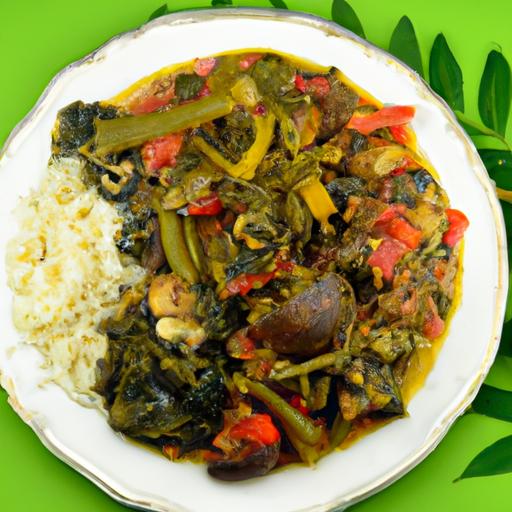

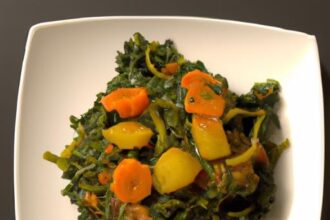
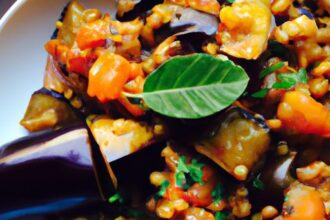
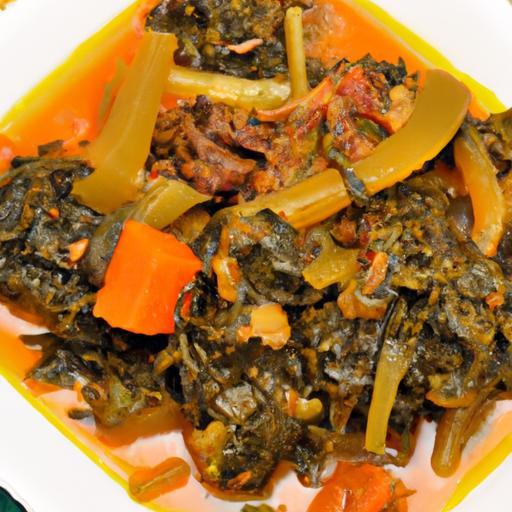
In the lush heart of Cameroon, where vibrant cultures intertwine and flavors tell stories as rich as the land itself, one dish stands out as a culinary treasure: Ndole. More than just a stew, Ndole is a flavorful journey into the soul of Cameroonian heritage, celebrated for its unique blend of bitterleaf greens, tender meat, and fragrant spices. This beloved bitterleaf stew is a testament to tradition, community, and the artistry of cooking passed down through generations. Join us as we uncover the origins, cultural significance, and mouthwatering secrets of Ndole-a dish that embodies the spirit and resilience of Cameroon’s vibrant culinary landscape.
Ndole Uncovered: Cameroon’s Beloved Bitterleaf Stew Tradition
Ndole Uncovered: Cameroon’s Beloved Bitterleaf Stew tradition holds a special place not only in the heart of Cameroonian cuisine but also in the cultural narratives that celebrate family,heritage,and communal joy.This stew, rich in flavour and symbolism, combines the tender bitterness of bitterleaf with the hearty essence of peanuts and diverse proteins, making it a beloved dish at gatherings and festive occasions alike.
Prep and Cook Time
- Preparation: 20 minutes
- Cooking: 1 hour 10 minutes
- Total Time: 1 hour 30 minutes
Yield
Serves 6 generous portions
difficulty Level
Medium – requires attention to balancing flavors and mastering traditional preparation techniques
Key Ingredients and Traditional Preparation Techniques Explained
The heart of Ndole Uncovered is the bitterleaf, traditionally hand-washed multiple times to soften its naturally sharp bite, preserving its signature complex taste. It combines harmoniously with ingredients like ground peanuts, which add creaminess and a subtle nutty depth to the stew. Proteins such as smoked fish and beef or calf tripe bring layers of smoky umami that speak volumes of the dish’s Cameroonian roots.Aromatics like onions, garlic, and hot peppers infuse warmth and character while palm oil is often used to create a luscious, vibrant base.
Ingredients
- 4 cups fresh bitterleaf, washed thoroughly and chopped
- 1 cup raw peanuts, roasted and ground (or 1 cup smooth peanut butter)
- 500g beef or calf tripe, cleaned and cut into bite-sized pieces
- 200g smoked fish, deboned and flaked
- 1 large onion, finely chopped
- 3 cloves garlic, minced
- 2 Scotch bonnet peppers, finely chopped (adjust to taste)
- 4 tablespoons palm oil (can substitute with vegetable oil)
- 3 cups water or beef broth
- Salt to taste
- 1 teaspoon ground crayfish (optional)
Instructions
- Prepare the bitterleaf: Rinse the bitterleaf repeatedly in cold water until the bitterness is reduced but still present. Drain well and set aside.
- Cook the beef or tripe: In a large pot, boil the beef or tripe in salted water until tender, approximately 45 minutes. Reserve the cooking broth.
- Sauté aromatics and peanuts: Heat the palm oil in a heavy-bottom pan over medium heat. add chopped onions and garlic, sautéing until translucent and fragrant (about 5 minutes). Stir in the ground peanuts or peanut butter and cook gently for 3 to 5 minutes, stirring frequently to avoid burning.
- Combine ingredients: Add the washed bitterleaf to the peanut mixture, stir well, then slowly pour in 3 cups of the reserved beef broth or water. Bring to a simmer.
- Add proteins and spice: Incorporate the cooked beef/tripe, smoked fish, and chopped Scotch bonnet peppers. Stir gently and allow the stew to cook on low heat for 20-30 minutes, allowing the flavors to meld and the broth to thicken slightly.
- Adjust seasoning: Taste and season with salt and optional ground crayfish for an authentic umami punch. Continue cooking until the oil rises to the surface, an indicator of readiness.
- Final touches: remove from heat and let the stew rest for 5 minutes before serving to deepen the flavors.
Chef’s Notes: Tips for Success
- Bitterleaf prep: Don’t rush washing bitterleaf-this step ensures the stew’s pleasant bitterness without overpowering.
- Protein alternatives: Try using shrimp or chicken if preferred, but keep the smoky elements intact with smoked fish.
- Peanut options: Roasting peanuts at home intensifies flavor; however, smooth peanut butter works perfectly for simpler prep.
- Make-ahead: Ndole tastes even better the next day as flavors mature. Store refrigerated in an airtight container for up to 3 days.
- Spice level: Adjust scotch bonnet peppers according to your heat preference; removing seeds reduces intensity.
Serving Suggestions
Traditionally paired with steamed white rice, Ndole Uncovered also shines alongside plantains or fufu for a satisfying meal. Garnish with fresh parsley or green onions to add subtle freshness and a pop of color. For an authentic table setting, serve with a side of spicy Cameroon pepper sauce to elevate each bite.

| Nutrient | Per Serving |
|---|---|
| Calories | 420 kcal |
| Protein | 35 g |
| Carbohydrates | 12 g |
| Fat | 25 g |
Health Benefits and Nutritional Value of Bitterleaf Stew
Rich in essential vitamins and minerals, bitterleaf is renowned for its detoxifying properties and ability to aid digestion. Combined with peanut protein, this stew offers a balanced meal packed with healthy fats and amino acids. The inclusion of smoked fish provides omega-3 fatty acids,significant for heart and brain health,while being relatively low in carbohydrates makes it suitable for varied dietary goals.
For a deep dive into Cameroon’s culinary landscape and other traditional dishes, check out our Cameroon Traditional Recipes collection and explore the diversity of this vibrant cuisine.
Explore authentic African culinary heritage with trusted resources like World wildlife Fund on Cameroon to understand the environmental and cultural context enriching thes dishes.
Q&A
Q&A: Ndole Uncovered – Cameroon’s Beloved Bitterleaf Stew Tradition
Q1: What exactly is Ndole?
A1: Ndole is a rich, flavorful stew that holds the heart of Cameroonian cuisine. It’s made primarily from bitterleaf (Vernonia amygdalina), which gives the dish its unique, slightly bitter kick, balanced perfectly with groundnuts (peanuts), spices, and frequently enough beef or fish. This harmony of flavors creates a deeply comforting dish that’s both hearty and vibrant.Q2: Why is bitterleaf so important in Ndole?
A2: Bitterleaf isn’t just any leafy green-it’s the soul of Ndole. Its distinctive bitterness provides a bold counterpoint to the creamy groundnut sauce, making the dish excitingly complex. Moreover, bitterleaf is celebrated in cameroon for its health benefits, including aiding digestion and reducing inflammation, which means Ndole is as nourishing as it is delicious.Q3: How is Ndole traditionally prepared?
A3: Preparing Ndole is an art passed down through generations. First, the bitterleaf is carefully washed multiple times to mellow its bitterness without losing its signature flavor.Then, it’s simmered in a savory peanut sauce enriched with spices like garlic, onion, and sometimes hot peppers. Proteins-commonly beef, fish, or shrimp-are added to infuse the stew with depth and substance. The whole concoction is slow-cooked until the flavors marry beautifully.
Q4: What cultural significance does Ndole hold in Cameroon?
A4: Ndole is much more than a meal; it’s a cultural emblem. Often served during special occasions and communal gatherings,it represents Cameroon’s vibrant heritage and communal spirit. Sharing Ndole is a way to honor family ties, celebrate milestones, and preserve culinary traditions that symbolize resilience and identity.
Q5: Can Ndole be adapted for modern or international palates?
A5: Absolutely! While traditionally made with specific local ingredients, Ndole invites creativity. Global cooks experiment by using spinach or kale if bitterleaf isn’t available, or by swapping peanuts for almond butter to bring a new twist. Protein choices vary from chicken to tofu, catering to diverse diets. Regardless, the essence remains-a tantalizing balance of bitterness, nuttiness, and spice.
Q6: Where can one experience authentic Ndole outside Cameroon?
A6: Thanks to growing Cameroonian diaspora communities, authentic Ndole can often be found in African restaurants across Europe, North America, and beyond. Additionally, adventurous home cooks are sharing recipes online, offering video tutorials and ingredient guides that make this treasured stew accessible worldwide.
Q7: What makes Ndole stand out among African stews?
A7: Ndole’s standout trait is its bold bitterness, a flavor profile not commonly embraced in many stews worldwide. Combined with the creamy richness of groundnuts and the hearty meat or fish, Ndole strikes a perfect chord of complexity and comfort.It’s a dish that challenges and delights the palate, embodying the diverse culinary tapestry of Cameroon.Q8: Any tips for first-timers wanting to cook ndole?
A8: Patience is key! wash the bitterleaf thoroughly to manage its bitterness, and don’t rush the simmering process-that’s where the magic happens. Also, balance is everything; taste as you go to adjust seasoning and spice levels to your liking. serve Ndole with a side of fufu, plantains, or rice to enjoy its full cultural and culinary experience.
Dive into Ndole, and you’re not just tasting a stew-you’re savoring a story, a tradition, and the warm hospitality of Cameroon on a plate.
Future Outlook
As the simmering pot of Ndole reveals its rich tapestry of flavors, so too does this beloved Cameroonian stew unveil a story steeped in tradition, community, and cultural pride. More than just a dish, Ndole is a culinary emblem-one that binds generations, celebrates the land’s bounty, and offers a bittersweet taste of heritage with every hearty spoonful. Whether you’re savoring it amid familial laughter or discovering its depths for the very first time, Ndole invites you to partake in a timeless tradition that continues to nourish both body and soul. So next time you encounter those glossy, dark greens and tender morsels swimming in savory sauce, remember: you’re engaging with a living legacy, one bite at a time.