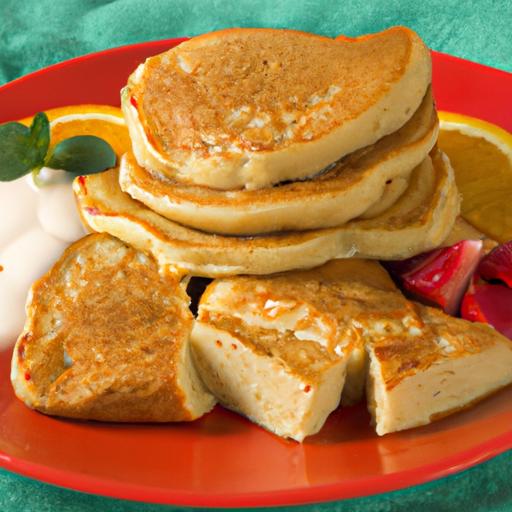
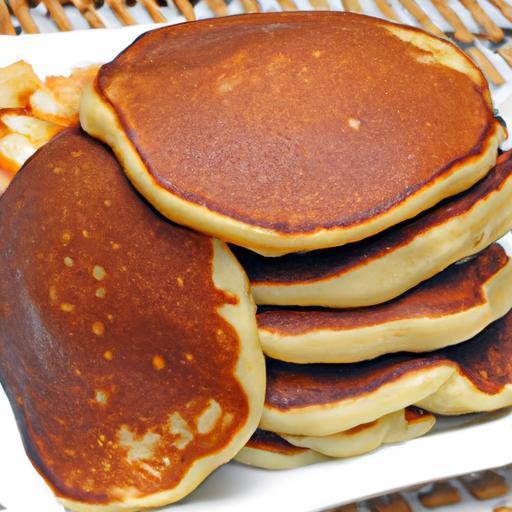
In the vibrant culinary tapestry of West Africa, few treats capture the heart and palate like the beloved fluffy Nigerian pancakes. More than just a breakfast staple, these soft, cloud-like delights are a testament to the region’s rich traditions and ingenious comfort food culture. Bursting with warmth and a subtly sweet flavor, Nigerian pancakes offer a unique twist on the classic favorite – inviting food lovers everywhere to savor a slice of West African heritage in every bite. Join us as we explore the origins, textures, and irresistible charm of these pancakes, uncovering why they’ve become a cherished delight beyond their native shores.
Fluffy Nigerian pancakes have long been a cherished comfort food throughout West Africa, celebrated for their irresistibly soft texture and subtly sweet flavor. Rooted deeply in Nigerian culinary traditions,these pancakes offer a delightful twist on the classic breakfast staple,combining local ingredients with culinary techniques passed down through generations. whether served at family gatherings, street markets, or festive occasions, they symbolize warmth, hospitality, and the simple joys of hearty homemade meals.
Prep and Cook Time
- Preparation: 10 minutes
- cooking: 15 minutes
- Total Time: 25 minutes
Yield
Serves 4 (approximately 12 pancakes)
difficulty Level
Easy
Key Ingredients That Create the Perfect Soft Texture
Achieving that signature fluffiness requires a harmonious balance of ingredients. Nigerian pancakes rely on a well-aerated batter using all-purpose flour, fresh eggs, and the gentle lift from baking powder or baking soda. The addition of evaporated milk brings tender moisture, while sugar subtly sweetens without overpowering. Incorporating a pinch of nutmeg or vanilla essence adds aromatic depth, elevating the sensory experience.
- 1 cup all-purpose flour, sifted
- 1 teaspoon baking powder
- 1/4 teaspoon baking soda
- 2 tablespoons granulated sugar
- 1/4 teaspoon salt
- 1/2 teaspoon freshly grated nutmeg (optional)
- 1 cup evaporated milk
- 2 large eggs, beaten
- 2 tablespoons melted unsalted butter, plus extra for frying
- 1 teaspoon vanilla essence
Step by Step Guide to Achieving Fluffy Pancakes at Home
- Mix dry ingredients: In a large bowl, whisk together the sifted flour, baking powder, baking soda, sugar, salt, and nutmeg until fully combined.
- Combine wet ingredients: In a separate bowl, beat the eggs gently. Add evaporated milk, melted butter, and vanilla essence, stirring until smooth.
- Create the batter: Pour the wet mixture into the dry ingredients. Using a spatula, fold gently until just combined – be careful not to overmix; lumps are fine as overmixing causes toughness.
- Preheat your pan: Heat a non-stick skillet or griddle over medium-low heat. Lightly grease with butter, ensuring an even coating.
- Cook the pancakes: Using a 1/4 cup measure,pour batter onto the pan. Cook for about 3-4 minutes until bubbles start to break on the surface and edges look set.
- Flip confidently: Carefully turn each pancake and cook the other side for 2-3 minutes until golden brown and cooked through.
- Keep warm: transfer pancakes to a warm plate covered loosely with foil while cooking the rest – this keeps the texture soft and fluffy.
Tips for Success
- Do not overmix: This is the most common pitfall. Overworking the batter activates gluten,making pancakes dense rather of tender.
- Use evaporated milk: It imparts a creamy richness that regular milk can’t mimic, helping achieve that soft crumb.
- Control heat: Medium-low heat prevents premature browning while allowing the centre to cook fully.
- Make ahead: Batter can be prepared the night before and refrigerated; just give it a gentle stir before cooking.
- Experiment with flavor: Add finely chopped fruits like pineapple or mashed plantains to infuse local flavors.
serving Suggestions and Flavor Pairings to Elevate Your Breakfast
this dish is delightfully versatile. Traditionally served simply with a drizzle of honey or golden syrup, these fluffy Nigerian pancakes can be dressed up for an elevated breakfast experience.
- Fresh fruit: Sliced mango, passion fruit pulp, or bananas complement the mild sweetness beautifully.
- Nigerian staple sides: Serve alongside coconut stew or a small helping of spicy Nigerian suya to merge sweet and savory profiles.
- Nut butters: Spread with peanut or almond butter for a protein-packed boost.
- Yogurt & nuts: Dollop with Greek yogurt, sprinkle chopped roasted nuts and a pinch of cinnamon for textural and flavor contrast.
| Nutrition Facts (per serving) | Amount |
|---|---|
| Calories | 220 kcal |
| Protein | 6 g |
| Carbohydrates | 28 g |
| Fat | 9 g |

Q&A
Q&A: Fluffy Nigerian Pancakes – A soft Delight From West Africa
Q1: What exactly are Nigerian pancakes,and how do they differ from traditional pancakes?
A1: Nigerian pancakes,frequently enough called Waffles or simply “soft pancakes” in local kitchens,are a delightful twist on the classic pancake. Unlike the thick, fluffy stacks familiar in Western breakfasts, these pancakes are ultra-soft, slightly spongy, and generously drizzled with honey or syrup. Their unique texture comes from a batter enriched with ingredients like evaporated milk and sometimes a touch of nutmeg, making each bite a comforting embrace from West Africa.
Q2: What ingredients give Nigerian pancakes their signature fluffiness and softness?
A2: The magic lies in a careful balance-flour, eggs, sugar, baking powder, and most importantly, evaporated milk or sometimes coconut milk to add a creamy richness. Many recipes also incorporate a pinch of nutmeg or vanilla essence for subtle warmth. The batter is beaten well to aerate it, ensuring those light, tender pancakes that practically melt on your tongue.
Q3: Are Nigerian pancakes typically sweet or savory?
A3: Nigerian pancakes are traditionally enjoyed as a sweet treat. They are often served with honey, maple syrup, or even fruit preserves.However, in some households, they can be enjoyed with butter and a sprinkle of sugar or paired with savory accompaniments like fried eggs or spiced stews, showcasing their versatile character.
Q4: How do nigerian pancakes reflect West African culinary culture?
A4: These pancakes showcase West Africa’s love for simple, comforting foods that unite families and communities. The recipe often adapts to whatever is on hand, reflecting resourcefulness and a rich tradition of communal eating. They are a favorite during weekend breakfasts or celebrations, embodying joy, warmth, and the sweet side of Nigerian hospitality.
Q5: Can Nigerian pancakes be made gluten-free or vegan?
A5: Absolutely! Gluten-free flours like millet or rice flour can substitute all-purpose flour, keeping the soft texture intact. For a vegan twist, plant-based milks such as coconut or almond milk replace dairy, and flaxseeds or mashed bananas can substitute eggs without sacrificing fluffiness.With such flexibility,these pancakes are accessible to all who seek their comforting charm.
Q6: What’s the best way to serve Nigerian pancakes for an authentic experience?
A6: The classic approach is simple and elegant: stack the soft pancakes tall, drizzle generously with honey or caramelized syrup, and garnish with fresh tropical fruits like mango or pineapple. Pair with hot tea or Nigerian coffee to round out the experience. Share with loved ones, as is tradition, to truly savor the warmth and delight these pancakes bring.
Q7: Why should food lovers around the world try Nigerian pancakes?
A7: Beyond their irresistible softness and sweet flavor, Nigerian pancakes offer a taste of west African soul food-a culinary hug that tells a story of culture, comfort, and creativity. Trying them is a flavorful way to explore a vibrant food heritage, expand your palate, and discover that sometimes, the simplest dishes bring the greatest joy.
Future Outlook
Whether enjoyed for breakfast, a midday snack, or a sweet ending to a meal, fluffy Nigerian pancakes embody more than just a recipe-they carry the warmth and heritage of West African kitchens. Their soft, tender texture and subtle sweetness invite you to experience a delicious tradition that has been lovingly passed down through generations. Next time you seek a comforting treat with a cultural twist, these pancakes offer a perfect bite of history and hospitality, reminding us that sometimes the simplest dishes hold the richest stories.