
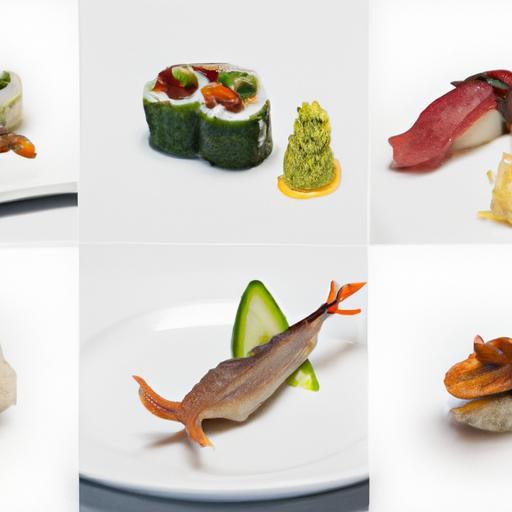
In the vibrant world of Japanese cuisine, sushi often conjures images of delicately rolled vinegared rice and fresh slices of fish, artfully arranged by nimble hands. Yet,beyond the familiar allure of nigiri and maki lies a refined,time-honored technique that transforms simplicity into elegance: oshizushi. Frequently enough overshadowed by its flashier counterparts, oshizushi – or pressed sushi – is an exquisite culinary art form where layers of carefully seasoned rice and fresh ingredients are compressed into perfect, bite-sized blocks.This ancient tradition, rooted deeply in the Kansai region, weaves patience, precision, and aesthetics into every piece. Join us as we delve into the captivating world of oshizushi, unveiling the secrets behind its creation and celebrating the quiet excellence that elevates pressed sushi to a masterpiece worthy of both palate and eye.
Oshizushi, the exquisite art of pressed sushi, elevates Japanese cuisine by offering a unique texture and layered flavors that delight the senses. This culinary gem from Osaka showcases the harmony of vinegared rice, fresh fish, and meticulous craftsmanship. Known also as “hakozushi,” Oshizushi captivates with its clean lines, vibrant colors, and delicate balance, making it a favorite among sushi aficionados and home cooks alike. Discovering this dish opened my eyes to sushi’s versatility beyond the familiar rolls, inspiring me to master the technique and explore its cultural roots.
Prep and Cook Time
- Preparation: 30 minutes
- Chilling and pressing: 45 minutes
- Total time: 1 hour 15 minutes
Yield
Makes 8 servings (approximately 16 rectangular pieces)
difficulty Level
Medium – requires precision and attention to detail but accessible to confident home cooks
Selecting the Finest Ingredients to Elevate Your Oshizushi Experiance
At the core of crafting impeccable oshizushi lies a devotion to quality ingredients. Opt for sushi-grade fish such as fresh mackerel, salmon, or sea bream, whose natural oils and textures lend themselves perfectly to the pressing technique. The rice, a foundation of flavor, should be short-grain sushi rice rinsed thoroughly and cooked to tender fluffiness before being seasoned with a balanced mix of rice vinegar, sugar, and salt. Additionally, garnishes such as thinly sliced shiitake mushrooms, pickled ginger, and shiso leaves introduce layers of aroma and umami complexity.
Ingredients
- 2 cups sushi rice, rinsed until water runs clear
- 2 1/2 cups water (for cooking rice)
- 1/3 cup rice vinegar
- 3 tbsp granulated sugar
- 1 tsp sea salt
- 200g fresh mackerel fillet, skin on, pin-boned (or substitute with salmon or sea bream)
- 1 tbsp soy sauce
- 1 tbsp mirin
- 1 sheet nori (optional, cut to fit mold)
- Pickled ginger, for garnish
- Shiso leaves, thinly sliced (optional)
- Vegetable oil, for lightly oiling the oshizushi mold
Mastering the technique of Pressed Sushi for Perfect Texture and Flavor
- Prepare the sushi rice: Combine rinsed sushi rice and water in a rice cooker or pot.Cook until tender. While hot, transfer to a wooden or plastic bowl. Gently fold in rice vinegar, sugar, and salt mixture with a wooden spatula. Allow the rice to cool to room temperature.
- Marinate the fish: In a small bowl, mix soy sauce and mirin. Briefly marinate the mackerel fillets (5-10 minutes) to enhance flavor, then pat dry with paper towels.
- Prepare the oshizushi mold (hakozushi bako): Lightly oil the inside to prevent sticking.
- Layer your ingredients: Place a sheet of nori at the bottom if using. Then, lay the fish fillet skin-side down, fitting snugly. Add a thin layer of shiso leaves or shiitake mushrooms if desired.
- Press the rice: Wet your hands to avoid sticking. Gently but firmly spread an even layer of sushi rice over the fish. Avoid pressing too hard to maintain the delicate texture.
- Compress the sushi: Use the mold’s wooden lid to press the rice and fish firmly but evenly for 1-2 minutes.
- Remove and slice: Carefully unmold the block onto a cutting board. Using a sharp, wet knife, slice into bite-sized rectangular pieces. Wipe the knife clean between cuts for neat edges.
- Chill before serving: Let the pieces rest in the refrigerator for 20-30 minutes to meld flavors and firm the shape.
Chef’s notes: Tips for Success
- Rice texture: The key is perfectly cooked rice that maintains structure without becoming mushy. A well-balanced sushi vinegar is crucial for authentic flavor.
- Fish selection: Freshness is paramount. If fresh mackerel is unavailable, opt for similarly oily fish or even cooked options like shrimp or eel for innovative variations.
- Make-ahead: Oshizushi holds up well refrigerated for several hours, making it ideal for entertaining.
- Experiment: Try layering thin strips of tamago (Japanese omelet) or blanched asparagus for artistic flair and added texture.
- Cut cleanly: Use a sharp, wet knife to ensure your slices reveal the beautiful layers.
Innovative Variations and Serving Suggestions to Impress Your Guests
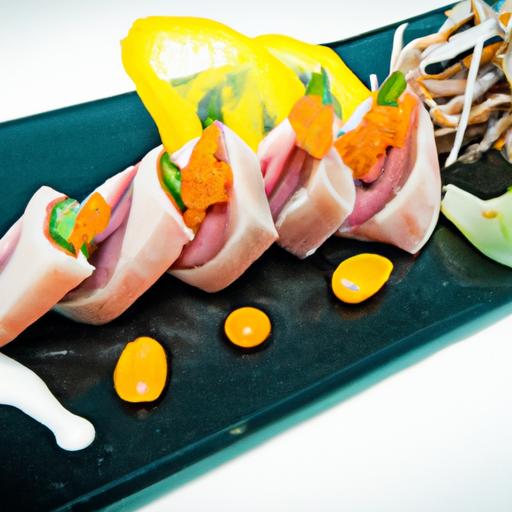
Present oshizushi on a long,elegant platter to highlight the clean rectangular shapes and colorful layers. Garnish with pickled ginger, microgreens, or edible flowers to infuse freshness and visual appeal. Pair this pressed sushi with a delicate dipping sauce of ponzu or wasabi-infused soy sauce.For a contemporary twist, consider topping pieces with a thin slice of avocado or a brush of yuzu kosho for a citrusy heat.
Complement oshizushi with a side of miso soup or seasonal tempura for a balanced meal. Inviting guests to indulge in this culinary craft not only showcases your skills but offers a memorable tasting journey rooted deeply in Japanese heritage.
| Nutrient | Per Serving (2 pieces) |
|---|---|
| Calories | 150 kcal |
| Protein | 12 g |
| Carbohydrates | 20 g |
| Fat | 4 g |

For further exploration of sushi techniques, check our detailed Guide to Making Perfect Sushi Rice. To dive deeper into Japanese culinary history,the Japan Guide offers excellent resources.
Q&A
Q&A: Oshizushi Unveiled – The Art of Pressed Sushi Excellence
Q1: What exactly is Oshizushi? How does it differ from other types of sushi?
A1: Oshizushi, also known as pressed sushi, is a customary Japanese delicacy that takes the artistry of sushi to new heights by transforming simple ingredients into a perfectly compacted block of flavor. Unlike the more commonly known nigiri or maki sushi, which are formed by hand or rolled, Oshizushi is crafted by layering vinegared rice and toppings in a special wooden mold called an oshizushihako and then pressing them together. The result is a harmonious, bite-sized rectangle or square, boasting a beautiful mosaic of colors and textures.
Q2: where did Oshizushi originate, and what is its cultural meaning?
A2: Oshizushi hails from the Kansai region of Japan, particularly Osaka. Historically, it was a practical solution for preserving fish before refrigeration-pressing rice and fish tightly together helped extend shelf life while intensifying flavors. Beyond practicality, Oshizushi became a symbol of refined craftsmanship, embodying Japan’s love for aesthetics, balance, and seasonality. Today, it is cherished not only as food but as an edible work of art.
Q3: what are the key ingredients used in oshizushi?
A3: The essentials include perfectly seasoned sushi rice, fresh fish (commonly mackerel, salmon, or shrimp), and sometimes pickled vegetables or kombu seaweed for added umami. The magic comes from the layering technique and the precision of pressing, which melds these elements into a cohesive, flavorful whole. Some modern variations play with ingredients, bringing in colorful garnishes or creative fillings that elevate Oshizushi into contemporary cuisine.
Q4: Can anyone make Oshizushi at home? What tools are necessary?
A4: Absolutely! While crafting Oshizushi requires a bit of technique and patience, it’s a rewarding experience for sushi lovers and home cooks alike. The main tool is the oshizushihako, a rectangular wooden mold designed specifically for pressing sushi. Aside from that, you’ll need quality sushi rice, fresh seafood or desired toppings, and a bit of culinary passion. With practice, your pressed sushi can rival that of a seasoned chef!
Q5: How does the pressing technique influence the final taste and texture?
A5: Pressing isn’t simply about shaping; it’s about uniting textures and flavors. The pressure compacts the rice grains, creating a pleasantly firm bite that contrasts with the softness of the fish or crunch of pickles. This compactness seals in moisture and flavor, making each piece satisfyingly dense yet delicate. The visual appeal, enhanced by clean, defined layers, also enhances the dining experience – you eat with your eyes first!
Q6: What occasions are best suited for serving Oshizushi?
A6: Oshizushi shines at celebratory feasts, tea ceremonies, and special gatherings, where its elegance can be fully appreciated. It’s often served during festivals and seasonal events in Japan, representing respect for tradition and a shared culinary heritage. Moreover, its convenient bite-size portions make it a delightful choice for parties or bento boxes.Q7: How has Oshizushi evolved in contemporary cuisine?
A7: today’s chefs blend tradition with innovation, experimenting with new ingredients like avocado, smoked fish, or creative sauces while maintaining the pressed sushi technique. Fusion versions appear in global sushi restaurants, appealing to adventurous palates. Yet, whether classic or modern, Oshizushi remains a testament to Japan’s dedication to harmony in taste and presentation.
Q8: any tips for first-timers wanting to master Oshizushi?
A8: Start with fresh, high-quality ingredients-the foundation is everything. Take your time seasoning the rice perfectly with the right balance of vinegar, sugar, and salt. When layering in the mold, be mindful to distribute toppings evenly for stunning visuals.Press firmly but gently to avoid squashing delicate ingredients. And remember, practice enhances both your technique and recognition for this exquisite sushi art.
Unveiling Oshizushi is like uncovering a secret glimpse into Japan’s rich culinary soul-where every pressed block tells a story of history, precision, and passion. Dive into the art of pressed sushi and discover excellence one elegant bite at a time.
Future Outlook
As the delicate layers of vinegared rice and fresh fish meld perfectly under the gentle press of the oshibako, oshizushi reveals itself not just as food, but as an art form steeped in tradition and precision. This pressed sushi invites us to slow down, appreciate craftsmanship, and experience flavor through a lens shaped by history and regional pride. Whether enjoyed in a bustling Osaka market or recreated in your own kitchen, oshizushi stands as a vibrant testament to the elegance of simplicity-where every bite tells a story pressed upon time itself.Embracing this culinary jewel offers more than taste; it’s an invitation to connect with a cultural legacy that continues to inspire sushi lovers around the world.