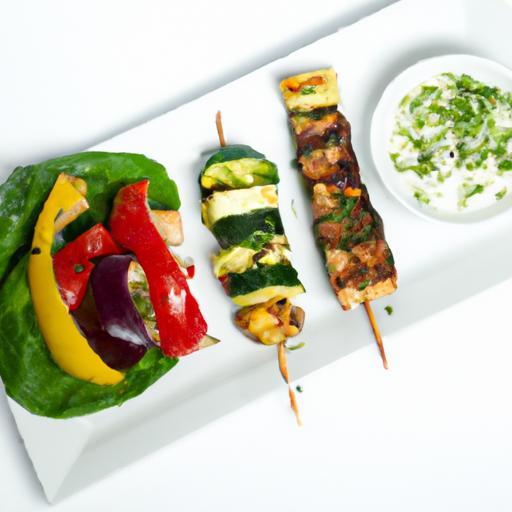
long before neon signs flickered over bustling city streets, before the hum of modern kitchens filled the air, there was the timeless allure of Greek souvlaki-simple, savory morsels that have delighted palates for millennia. But what if we journeyed even further back, to a time when the foundations of this beloved dish were laid not just with olive oil and herbs, but with ingredients rooted deeply in the Paleolithic era? “Paleo Greek Souvlaki: Ancient Flavors Reimagined Today” invites you to explore a culinary bridge between prehistoric traditions and contemporary taste, where ancestral ingredients and methods breathe fresh life into Greece’s iconic street food. join us as we uncover the secrets of ancient flavor profiles,revealing how the spirit of souvlaki transcends time,reinvented in a way that honors history while appealing to the modern palate.
Paleo greek Souvlaki offers a vibrant journey into ancient flavors reimagined today, blending the rich heritage of Greek street food with the wholesome principles of paleo living. This iconic dish, once a humble staple of ancient Greece, is transformed here into a nutrient-packed, gluten-free experience that honors tradition while embracing modern dietary choices.
Prep and Cook Time
- Preparation: 20 minutes
- Marinating: 2 hours (minimum)
- Cooking: 10 minutes
- Total Time: Approximately 2 hours 30 minutes
Yield
- Serves 4 people
Difficulty Level
- Medium – Ideal for cooks pleasant handling marinades and grilling
Ingredients
- 1 lb (450g) grass-fed lamb shoulder, cut into 1-inch cubes
- 3 tbsp extra virgin olive oil
- 2 tbsp fresh lemon juice
- 3 garlic cloves, minced
- 1 tbsp dried oregano
- 1 tsp smoked paprika
- 1 tsp sea salt
- ½ tsp freshly ground black pepper
- Wooden or metal skewers
- Fresh parsley for garnish
- Paleo-friendly tzatziki sauce (coconut yogurt base recommended)
Step-by-step Guide to Crafting Perfect Paleo Greek Souvlaki at Home
- Prepare the marinade: In a bowl, whisk together olive oil, lemon juice, minced garlic, dried oregano, smoked paprika, sea salt, and black pepper to build a fragrant, tangy base that infuses each cube of lamb.
- Marinate the lamb: Place the lamb cubes in a shallow dish or zipper lock bag and pour the marinade over the meat,ensuring every piece is coated. Refrigerate for at least 2 hours to deepen the flavors and tenderize the meat.
- Soak the skewers: If using wooden skewers, soak them in water for 30 minutes before grilling to prevent burning.
- Thread the lamb: Remove the lamb from the marinade and thread the cubes evenly onto skewers, allowing space between pieces for even cooking.
- Preheat your grill or grill pan: Heat to medium-high. For indoor cooking, a cast iron grill pan works beautifully to impart those sought-after charred marks.
- Grill the souvlaki: Cook skewers for about 4-5 minutes per side, turning occasionally until the lamb reaches your preferred doneness-medium rare to medium is traditional and juicy.
- Rest the meat: Remove from the grill and let the souvlaki rest for 5 minutes to lock in juices before serving.
- Garnish & serve: Sprinkle fresh parsley over the skewers and accompany them with paleo tzatziki or a squeeze of fresh lemon for a bright finish.
Chef’s Notes and Tips for Success
- Choosing the right cut: Grass-fed lamb shoulder or leg offers the perfect balance of fat and flavor for tender souvlaki. Avoid overly lean cuts which may dry out quickly on the grill.
- Marinating time matters: Don’t skip the marination-this step critically tenderizes the meat and develops authentic Paleo Greek Souvlaki flavors.
- Choice proteins: For variety,try this recipe with pastured chicken thighs or wild-caught salmon,adjusting cooking times accordingly.
- skewer spacing: leave slight gaps between meat cubes on skewers to ensure direct heat circulation and even cooking.
- Make-ahead: Marinade can be prepared the night before, enhancing flavor dramatically. Souvlaki can also be grilled in advance and reheated gently.
Pairing Paleo Souvlaki with Traditional Sides and Modern Twists
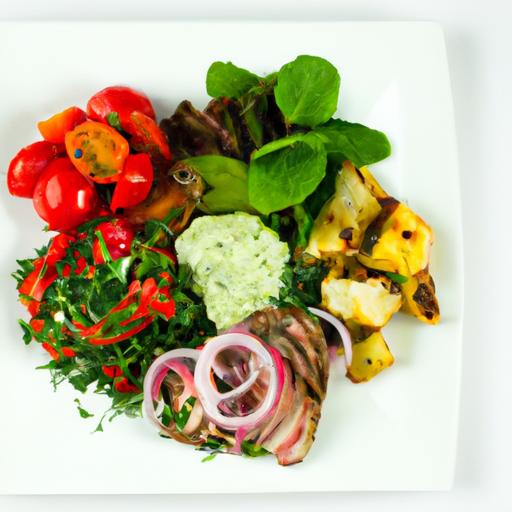
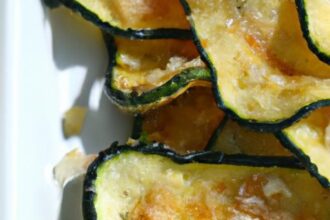
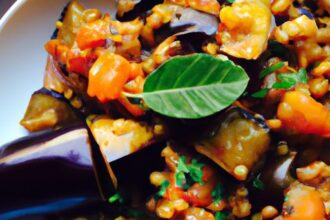
Serve your Paleo Greek Souvlaki alongside crisp,herbaceous salads like a cucumber-tomato medley with red onion and kalamata olives dressed in olive oil and lemon. roasted Mediterranean vegetables, such as eggplant and zucchini, make excellent warm sides. For a modern take, pair with a cauliflower rice pilaf infused with mint and toasted pine nuts. Drizzle extra paleo tzatziki and a wedge of lemon on the side for enhanced depth.
| Nutrient | Per Serving |
|---|---|
| Calories | 350 kcal |
| Protein | 28 g |
| Carbohydrates | 4 g |
| Fat | 25 g |

Experience the authentic charm of Paleo Greek Souvlaki, blending ancient culinary tradition with contemporary paleo-friendly ingredients to create a dish that’s as nourishing as it is appetizing. For those eager to explore more Mediterranean paleo recipes, check out our comprehensive Paleo Mediterranean Diet Guide. To deepen your understanding of ancient Greek grilling techniques, visit Britannica’s Souvlaki History.
Q&A
Q&A: Paleo Greek Souvlaki – Ancient Flavors Reimagined Today
Q1: What is Paleo Greek Souvlaki?
A: Paleo Greek Souvlaki is a modern culinary twist on the traditional Greek street food, crafted to fit the paleo diet’s principles. It takes the ancient flavors of marinated meat skewers and pairs them with fresh, nutrient-dense ingredients-without grains, dairy, or processed additives-offering a vibrant, primal take on a beloved classic.
Q2: How does Paleo Souvlaki differ from traditional Greek souvlaki?
A: Traditional souvlaki often features pita bread and tzatziki made from yogurt,along with grains and sometimes processed oils. paleo Souvlaki strips it down to the essentials: well-seasoned, grass-fed meat or seafood, grilled to perfection, and accompanied by fresh vegetables, herbs, and paleo-friendly sauces like avocado-based tzatziki or tahini, keeping it authentic yet diet-conscious.
Q3: Which meats are best suited for Paleo Greek Souvlaki?
A: Lean cuts that were accessible in ancient times make ideal choices-think grass-fed lamb, free-range chicken, wild-caught fish, or even pork. These protein sources not only honor historical accuracy but also align with paleo philosophy by avoiding industrially raised meats.
Q4: What spices and herbs bring out the ancient Greek flavors?
A: The magic lies in simplicity: oregano, thyme, rosemary, garlic, lemon juice, and sea salt. These Mediterranean staples create a fragrant marinade that infuses the meat with timeless aroma and flavor reminiscent of ancient Greek kitchens.
Q5: Can Paleo Greek Souvlaki be served without traditional pita bread?
A: Absolutely! Instead of pita, serve the skewers atop a bed of mixed greens, grilled vegetables, or wrapped in large lettuce leaves. This not only keeps it strictly paleo but also adds a fresh, crunchy texture that complements the savory meat.
Q6: How can one make a paleo-friendly dipping sauce reminiscent of tzatziki?
A: Replace Greek yogurt with creamy avocado blended with grated cucumber, minced garlic, lemon juice, fresh dill, and a pinch of sea salt.This luscious dip offers similar tang and creaminess while maintaining paleo principles.
Q7: Why is Paleo Greek Souvlaki relevant to modern food culture?
A: It bridges ancient culinary tradition with contemporary clean-eating trends, proving that wholesome, unprocessed food can be both delicious and steeped in history. Paleo Greek Souvlaki invites food lovers to savor the past in every bite while nourishing their bodies the paleo way.
Q8: Can Paleo Greek Souvlaki be adapted for vegetarian or vegan diets?
A: While souvlaki traditionally centers around meat, plant-based alternatives like grilled mushroom skewers or marinated tofu with those signature Mediterranean spices can echo that primal flavor profile, making it accessible to herbivores craving ancient-inspired fare.
Q9: What’s the best way to grill Paleo Souvlaki for authentic taste?
A: Use a charcoal or wood-fired grill to impart that smoky, charred essence, much like the open fires of ancient Greece. Marinate the meat for several hours, then skewer and grill quickly over high heat to seal in juices and develop caramelized edges.
Q10: How can someone start experimenting with Paleo Greek Souvlaki at home?
A: begin with a simple marinade of olive oil, lemon juice, garlic, and herbs, then choose your favorite paleo-friendly protein. Grill skewers alongside seasonal vegetables, and whip up a fresh avocado dip. Embrace the spirit of ancient feasts by gathering friends and family to share this timeless dish transformed for today’s palate.
To Conclude
As we wrap up our journey through the vibrant world of Paleo Greek souvlaki, it’s clear that this ancient dish is much more than just a meal-it’s a flavorful bridge between past and present. By embracing simple, wholesome ingredients and timeless cooking methods, paleo souvlaki reimagines age-old traditions in a way that nourishes both body and soul. Whether grilled over an open flame or enjoyed with fresh herbs and tangy lemon,each bite connects us to the rich tapestry of Greek history while celebrating modern,health-conscious living. So next time you crave something hearty yet fresh,consider reaching back in time and bringing a taste of the ancient Mediterranean to your table today.