In the ever-evolving landscape of culinary exploration, a vibrant revival is taking root-one that marries the timeless wisdom of ancient eating with the dynamic flair of contemporary cuisine. Welcome to the world of Paleo Korean, where traditional flavors etched in history converge with modern tastes to create a gastronomic experience both nourishing and unforgettable. This journey unpacks the rich heritage of Korea’s primal pantry,unlocking recipes that honor ancestral ingredients and cooking methods,all while embracing today’s passion for wholesome,nutrient-dense fare. Join us as we delve into how Paleo Korean not only reconnects us with the past but also redefines the future of flavorful, healthful dining.
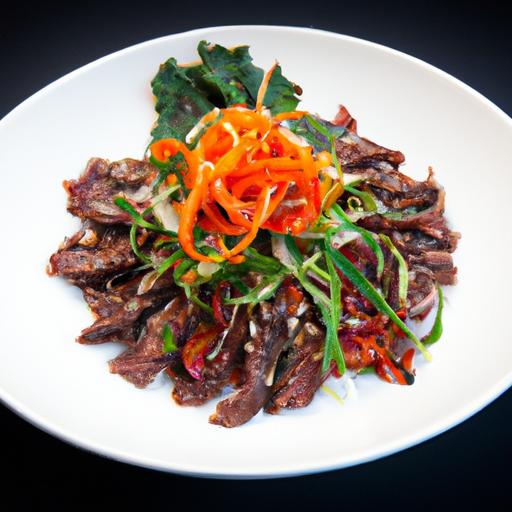
Unlocking Paleo korean delights begins with understanding the harmony between time-honored ingredients and contemporary culinary creativity, creating a flavor symphony that honors ancestral roots while exciting modern palates. One dish that beautifully illustrates this balance is Grilled Galbi-Style Short Ribs crafted with paleo-pleasant substitutions – a perfect gateway to savor the essence of Korean tradition alongside wholesome, grain-free nutrition.
Prep and Cook Time
- Preparation: 20 minutes (plus 4 hours marinating)
- Cooking: 15 minutes
Yield
Serves 4 generously
Difficulty Level
Medium – perfect for adventurous home cooks ready to explore authentic Korean techniques with Paleo twists.
Ingredients
- 2 lbs beef short ribs (flanken cut, about 1/2 inch thick)
- 1/4 cup coconut aminos (paleo soy sauce option)
- 2 tbsp grated Asian pear (adds natural sweetness and tenderizes)
- 2 tbsp toasted sesame oil
- 3 cloves garlic, minced
- 1 small yellow onion, finely grated
- 1 tbsp fresh ginger, grated
- 1 tbsp honey (raw, if possible)
- 1 tsp freshly ground black pepper
- 1 tbsp toasted sesame seeds (to garnish)
- 2 green onions, sliced thinly (for garnish)
Instructions
- Prepare the marinade: In a large bowl, combine coconut aminos, grated Asian pear, toasted sesame oil, minced garlic, grated onion, ginger, honey, and black pepper. Whisk gently until fully integrated.
- Marinate the ribs: Place short ribs in a large resealable bag or shallow dish and pour the marinade over. Massage gently to coat all pieces. Refrigerate for at least 4 hours, preferably overnight, turning occasionally for even absorption.
- Preheat your grill or grill pan: Medium-high heat is ideal to develop those signature char marks without drying out the meat.
- Grill the short ribs: Remove ribs from marinade, letting excess drip off.Grill ribs for about 6-7 minutes on each side until caramelized and cooked thru.Avoid flipping too often-let that sweet marinade form a slightly crispy, mouthwatering crust.
- Rest and garnish: Transfer ribs to a platter,let rest 5 minutes. Sprinkle generously with toasted sesame seeds and sliced green onions before serving.
Tips for Success
- The Asian pear is crucial not only for sweetness but for its natural enzymes that tenderize the beef; if unavailable, substitute with finely grated apple.
- For a smokier flavor, finish ribs over a charcoal grill or add a dash of smoked paprika to the marinade.
- Marinate longer for deeper flavor infusion, but avoid exceeding 24 hours to maintain optimal texture.
- Make-ahead: Prepare marinade and ribs the night before to simplify your cooking day.
- Pair with paleo kimchi for a probiotic punch and authentic tangy crunch that elevates this dish perfectly.
serving Suggestions
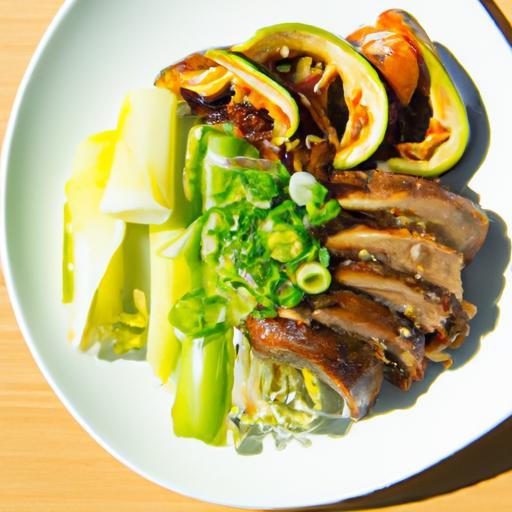
Present these Grilled Galbi-Style short ribs on a rustic wooden board garnished with vibrant green onions and sesame seeds. Accompany with fresh lettuce leaves for DIY wraps, sliced raw garlic, and paleo-friendly chili paste for nuanced heat and texture contrast.A side of blanched spinach or steamed cauliflower rice offers balance and grounding freshness.
 grilled galbi-style short ribs with sesame and green onion garnish” class=”wp-block-image”/>
| Nutrient | per Serving |
|---|---|
| calories | 480 kcal |
| Protein | 45 g |
| carbohydrates | 8 g |
| Fat | 30 g |
By unlocking the rich tapestry of paleo Korean cuisine through dishes like these grilled galbi-style short ribs,you invite a culinary adventure that cherishes ancestral techniques and ingredients while embracing wholesome,contemporary dietary choices. For broader insight on traditional Korean ingredients transformed by modern paleo wisdom, explore the Official korea Tourism Organization’s culinary guide.
Q&A
Q&A: Unlocking Paleo Korean - Ancient Flavors Meet Modern Taste
Q1: What is Paleo Korean cuisine, and how does it differ from traditional korean food?
A1: Paleo Korean cuisine is a vibrant reinterpretation of traditional Korean flavors through the lens of the Paleo diet-which emphasizes whole, unprocessed foods reminiscent of what our ancestors might have eaten.While classic Korean dishes frequently enough include grains, soy, and fermented products like soy sauce and doenjang, Paleo Korean swaps these with nutrient-dense alternatives like root vegetables, wild greens, and grass-fed meats.The result is a cuisine that honors ancient taste profiles but aligns with modern dietary preferences focused on health and ancestral eating patterns.
Q2: How do ancient Korean ingredients inspire paleo adaptations?
A2: Ancient Koreans thrived on seasonal foraged plants, wild meats, and naturally fermented foods-ingredients that form the backbone of Paleo Korean. For example, wild herbs like mugwort (ssuk) and perilla leaves, along with seaweeds, play starring roles. Instead of relying on rice or noodles, dishes are enriched with root vegetables such as lotus and burdock, while fermentation techniques are reimagined without soy, using vegetables alone. This approach reconnects diners with Korea’s primal pantry, unlocking flavors that feel both nostalgic and novel.
Q3: Which iconic Korean dishes have Paleo versions, and what makes them unique?
A3: Some Korean classics have paleo counterparts that highlight earthy textures and natural umami. Take Bibimbap: instead of white rice, a bed of mashed sweet potatoes or cauliflower “rice” provides the base, topped with sautéed wild greens and grilled meat, finished with a chili paste made from fermented chili and natural sweeteners. Another example is Galbi: traditionally marinated in soy sauce and sugar, Paleo Galbi uses coconut aminos and honey, preserving that caramelized richness without gluten or processed sugars. These dishes retain their soulful essence but come with a fresh, health-conscious twist.
Q4: Why is the fusion of Paleo principles with Korean cuisine critically important today?
A4: This fusion bridges the past and present in a delicious way that caters to contemporary wellness trends while celebrating cultural heritage. Paleo Korean cuisine offers a path to healthier eating that doesn’t sacrifice flavor or tradition. It responds to growing global interest in ancestral diets and clean eating, inviting a broad audience to experience Korea’s culinary depth through a new, accessible lens. Plus, it encourages enduring ingredient choices that benefit both our bodies and the planet.
Q5: How can home cooks start experimenting with Paleo Korean recipes?
A5: Begin by exploring staple Paleo-friendly ingredients like wild greens, root vegetables, fresh seafood, and unprocessed meats common in Korean markets or health stores. Experiment with traditional Korean seasonings-red chili flakes (gochugaru), garlic, ginger, sesame oil-while substituting soy sauce with coconut aminos or homemade vegetable ferments. Try simple recipes first, like a Paleo-friendly kimchi made without fish sauce or fermented root vegetable side dishes. Embrace the spirit of seasonal cooking and ancestral flavors,and allow your palate to discover an ancient taste reborn for modern kitchens.
Q6: What is the future outlook for Paleo Korean cuisine in the global food scene?
A6: With the rising hunger for authentic yet healthful world cuisines, Paleo Korean stands poised to captivate food lovers and wellness enthusiasts alike. It offers a novel way to experience Korean flavors without compromising dietary goals, opening doors for innovative chefs and home cooks to create exciting dishes. as cultural sustainability and mindful eating grow in importance, Paleo Korean could become a beacon of how ancient culinary wisdom can inspire vibrant, nourishing food for today and tomorrow.
Final Thoughts
as we journey back through the layers of time and savor the vibrant tapestry of Paleo Korean cuisine, it becomes clear that ancient flavors are far from relics-they are living stories on our plates.By embracing these time-honored ingredients and methods, modern palates can rediscover a harmony of health, heritage, and hearty taste. Unlocking Paleo Korean is more than a culinary exploration; it’s a bridge connecting past and present, tradition and innovation.So next time you craft a meal, consider the wisdom of ancestors who celebrated nature’s bounty in its purest form-and let their flavors inspire your own contemporary feast.