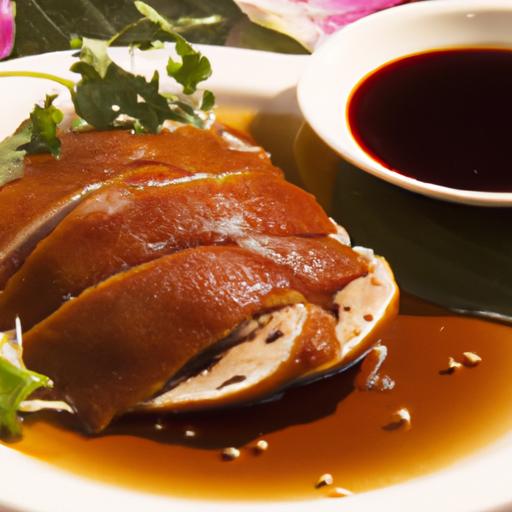
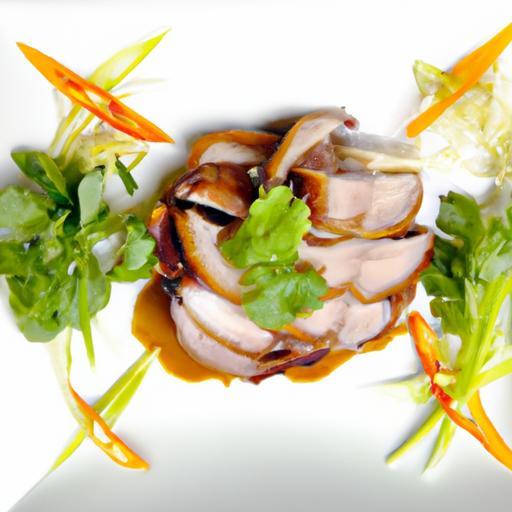
Beneath the lacquered surface of a perfectly roasted Peking duck lies a tale as rich and layered as its crispy skin. Revered not only as a culinary masterpiece but also as a symbol of Chinese heritage, Peking duck has journeyed through centuries, evolving from imperial banquets to beloved street fare. In this article, we will peel back the golden, crackling layers of this iconic dish, exploring the artistry behind its planning and the vibrant history that has cemented its place at the heart of Chinese cuisine. Join us as we unveil the secrets, traditions, and flavors that make Peking duck a timeless classic.
Peking Duck Unveiled: The Art and history of a Classic Dish is more than just a recipe-its a culinary journey that reveals centuries of tradition, technique, and flavor mastery. Originating from imperial kitchens during the Ming Dynasty, this iconic dish has evolved into a symbol of Chinese gastronomic excellence. Every bite of the crisp, golden skin and tender meat tells a story of time-honored preparation methods and regional influences, inviting you to experience a piece of history on your plate.
Prep and Cook Time
- Preparation: 24 hours (includes marinating and drying)
- Active Cooking: 1 hour 15 minutes
Yield
- Serves 4-6 people
Difficulty Level
- Advanced (requires patience and attention to detail)
Ingredients
- 1 whole duck (about 5-6 pounds), cleaned and dried
- 4 cups boiling water
- 1/4 cup maltose syrup or honey
- 2 tablespoons Chinese five-spice powder
- 1 tablespoon salt
- 2 tablespoons Shaoxing wine
- 1 tablespoon dark soy sauce
- 4 green onions, sliced thin for serving
- 12 Mandarin pancakes, warmed
- Hoison sauce, for serving
- Fresh cucumber matchsticks, for garnish
Instructions
- Prepare the Duck: Using a sharp skewer or small knife, gently separate the skin from the fat without puncturing it, creating a thin air pocket. This is the foundation of achieving crackling skin.
- Scald the Skin: In a heatproof bowl, pour boiling water over the duck, evenly coating to tighten the skin. Pat dry thoroughly with paper towels; moisture is the enemy of crispiness.
- Air-Dry Overnight: Mix maltose syrup with a few tablespoons of warm water. Brush the mixture evenly over the duck’s skin. Hang or place the duck on a rack in a well-ventilated area for at least 12 hours or overnight. This drying step dries out the skin and creates the glossy finish.
- Season the Cavity: Rub the duck’s cavity with salt, five-spice powder, and Shaoxing wine to infuse underlying flavor during roasting.
- Preheat Oven and Roast: Preheat your oven to 375°F (190°C). Place the duck on a rack in a roasting pan, breast side up. Roast for 45 minutes, periodically basting with dark soy sauce for color and additional flavor.
- Increase Heat for Crisping: Raise the oven temperature to 425°F (220°C). Continue roasting the duck for another 20-30 minutes, until the skin turns deep amber and is irresistibly crispy.
- Rest and Carve: Let the duck rest for 15 minutes before carving. Slice the skin thinly to savor the crunch, accompanied by tender, juicy meat.
- serve Traditionally: Arrange slices of duck and skin on a platter. Serve with warm Mandarin pancakes, hoisin sauce, cucumber, and green onions. Encourage diners to assemble their own wraps for an interactive experience.
Chef’s Notes: tips for success
- Drying is key: The secret to perfect Peking Duck lies in the drying process-don’t rush it.Hanging the duck in front of a fan or near a window helps.
- Use maltose syrup: This ingredient is essential for that signature glossy, caramelized skin, but honey is a good substitute if unavailable.
- Control oven heat: The dual-temperature approach ensures even cooking and crisping. Use a digital thermometer to avoid overcooking.
- Alternative cooking: Some cooks swear by wood-fire ovens or specialized hanging ovens for authentic flavor-consider trying this if available.
- Make ahead: You can prepare the duck up to the drying stage a day before the final roast, perfect for special occasions.
serving Suggestions
Present your Peking Duck alongside customary accompaniments: soft, delicate Mandarin pancakes to wrap the savory meat; freshly sliced cucumber and spring onions add refreshing crunch. Drizzle savory hoisin sauce inside the pancakes for balance.For an elegant touch, garnish the platter with edible flower petals or thinly sliced pickled vegetables to contrast textures and colors. Pair with a light jasmine tea or a crisp dry white wine to elevate the flavors.

| Nutrient | Per serving |
|---|---|
| Calories | 520 kcal |
| Protein | 45 g |
| Carbohydrates | 30 g |
| Fat | 28 g |
Exploring the Regional delicacies: Peking duck Unveiled
While Beijing’s Peking Duck remains the gold standard, numerous regions across China offer their unique spins on this classic-each blending local spices, cooking methods, or even different duck breeds. As an example, the Cantonese version favors a sweeter glaze and slow roasting over charcoal, resulting in a slightly softer texture. Simultaneously occurring, Sichuan’s interpretation frequently enough incorporates a peppery spiced rub, reflecting the bold flavors of the region. Understanding these variations amplifies your thankfulness and inspires culinary creativity.
For those eager to taste the authentic experience in Beijing, seek renowned establishments such as Quanjude or Dadong, which uphold stringent traditional techniques while enhancing ambiance and service. Booking ahead, arriving with a hungry appetite, and requesting tableside carving elevate the ritual to an unforgettable feast.
To deepen your knowledge of Chinese cuisine and classic dishes, explore our Chinese Cuisine guide or visit History on the Net for a scholarly perspective on cultural origins.
Q&A
Q&A: Peking Duck Unveiled – The Art and History of a Classic Dish
Q1: What makes Peking Duck such an iconic dish in chinese cuisine?
A1: Peking Duck is more than just food; it’s a gastronomic masterpiece.Renowned for its irresistibly crisp skin, tender meat, and harmonious blend of savory and sweet flavors, it encapsulates centuries of culinary refinement. Its iconic status comes from a meticulous roasting technique and a rich cultural heritage that has made it a symbol of Chinese culinary artistry worldwide.
Q2: Where did Peking Duck originally come from?
A2: The dish traces its origins back to the Ming dynasty imperial kitchens in Beijing (formerly Peking). Initially a delicacy reserved for emperors, Peking duck gradually made its way into common eateries, becoming a beloved staple that connects past and present. Its history is entwined with the city’s evolution, reflecting Beijing’s cultural and culinary identity.
Q3: What is the secret behind Peking Duck’s famously crispy skin?
A3: The secret lies in the preparation. After carefully inflating the duck’s skin to separate it from the fat, the bird is air-dried and glazed with a sweet maltose syrup. This process, combined with roasting in a wood-fired oven, renders the skin perfectly crisp while keeping the meat succulent and juicy.It’s a delicate balance that demands patience and skill.
Q4: How is Peking Duck traditionally served?
A4: Presentation is part of the theatrics. The duck is usually carved tableside into thin slices showcasing the glistening, crispy skin atop the tender meat. These slices are then wrapped in soft steamed pancakes with scallions, cucumber, and sweet bean or hoisin sauce, creating a textural symphony with every bite. The ritual accentuates the dish’s elegance and social charm.
Q5: Has Peking Duck evolved over time?
A5: While the core technique remains sacred, Peking Duck has seen creative adaptations-from modern fusion menus incorporating unexpected sauces and accompaniments to innovative cooking methods aiming for convenience without sacrificing tradition. Yet, purists believe the authentic experience lies in honoring the dish’s historic roots and time-honored preparation.
Q6: Why is Peking Duck more than just a meal-why is it an experience?
A6: Enjoying Peking Duck is a sensory and cultural journey. beyond flavors and textures, it’s about the ambiance, the skilled carving performance, and sharing the sumptuous course with loved ones. This immersive experience bridges history, craftsmanship, and communal dining, making each serving a festivity of tradition and taste.
Key takeaways
As the final crispy slice of Peking Duck melts on your tongue, it’s clear that this dish is far more than a meal-it’s a tapestry woven from centuries of history, culinary artistry, and cultural pride. From imperial banquets to modern dining tables, Peking Duck continues to captivate with its delicate balance of texture, flavor, and tradition. Whether you’re a devoted food lover or a curious traveler, understanding the story behind this iconic dish enriches every bite, inviting you to savor not just the taste but the legacy of one of China’s most celebrated culinary treasures. So next time you witness the graceful carving or the tantalizing aroma rising from the platter, remember: you’re partaking in an edible masterpiece, a appetizing dialog between past and present.