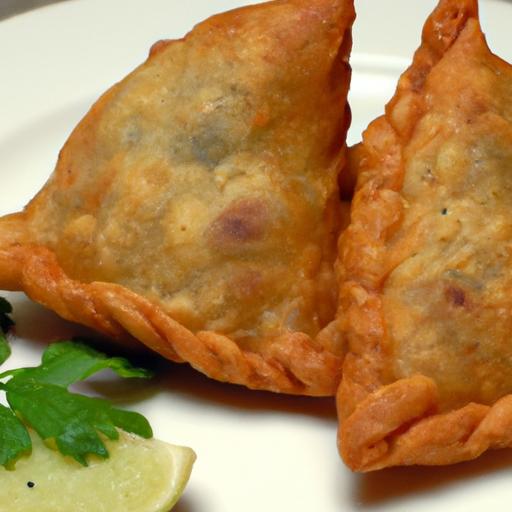

Crisp, golden, and irresistibly aromatic, the Punjabi samosa is more than just a snack-it’s a story folded into a flaky pastry, a party of vibrant flavors and rich cultural heritage. From bustling street corners of Punjab to festive gatherings around the world, this iconic treat has carved a beloved place in hearts and palates alike. Journey with us through the crispy layers of the Punjabi samosa, uncovering its tantalizing fillings, age-old recipes, and the traditions that have kept this flavorful marvel alive for generations. Whether you’re a seasoned foodie or a curious newcomer, the tale of the Punjabi samosa promises a delicious adventure steeped in history and taste.
Punjabi Samosa has long been a beloved culinary icon, tracing its roots to the bustling streets and vibrant kitchens of the Punjab region. This crispy delight, filled with aromatic spices and hearty potatoes, is more than just a snack-it’s a celebration of flavors that tell stories of tradition, family gatherings, and festive occasions. My first memory of savoring a Punjabi samosa was at a lively morning market, where the golden, perfectly fried pockets cracked open to reveal a warm, spiced filling that instantly made me crave more. The magic of Punjabi samosas lies not only in their texture but in their ability to bring people together, bridging generations through a shared love of food.
Prep and Cook Time
- Preparation time: 30 minutes
- Cooking time: 20 minutes
- Total time: 50 minutes
Yield
Makes approximately 12 medium-sized samosas-perfect for sharing!
Difficulty Level
Medium: requires some skill in dough rolling and frying, but entirely manageable with patience and practice.
Ingredients
- For the dough:
- 2 cups all-purpose flour, sifted
- 4 tbsp oil or ghee
- 1/2 tsp salt
- 6-8 tbsp water (adjust as needed)
- For the filling:
- 4 medium-sized potatoes, boiled, peeled, and mashed
- 1/2 cup green peas, boiled
- 2 tbsp oil
- 1 tsp cumin seeds
- 1-2 green chilies, finely chopped
- 1 tsp grated ginger
- 1 tsp garam masala
- 1/2 tsp amchur (dry mango powder)
- 1/2 tsp red chili powder
- 1 tsp coriander powder
- Salt to taste
- Fresh coriander leaves, chopped (optional)
- For frying:
- Oil (enough for deep frying)
instructions
- Prepare the dough: In a large bowl, mix the all-purpose flour and salt. Add the oil or ghee and rub it into the flour until it resembles coarse crumbs. Gradually add water and knead to form a firm but pliable dough. Cover with a damp cloth and set aside for 30 minutes.
- Make the filling: Heat 2 tablespoons of oil in a pan over medium heat. Add cumin seeds and let them splutter. Stir in the green chilies and ginger, sautéing until fragrant.
- Add the mashed potatoes and green peas. Mix well and sprinkle in garam masala, amchur, red chili powder, coriander powder, and salt. Cook gently for 5 minutes, stirring occasionally to blend the spices thoroughly. Stir in fresh coriander leaves if using. Remove from heat and let cool.
- Shape the samosas: Divide the dough into 12 equal portions. Roll each into a smooth ball, then flatten into a thin oval or round shape (about 6 inches diameter). Cut each rolled dough in half to make two semi-circles.
- Pick one semi-circle, fold into a cone shape by bringing the straight edge corners together, and seal the edge with a little water.
- Fill the cone with 2-3 tablespoons of the potato filling. Carefully wet the open edges and pinch together to seal the samosa fully, ensuring no filling escapes during frying.
- Fry until golden: Heat oil in a deep frying pan over medium heat. To test, drop a small dough piece; it should bubble and rise slowly. Fry samosas in batches, turning frequently enough, until crisp, golden brown, and evenly cooked (about 5-7 minutes). Use a slotted spoon to transfer them to paper towels to drain excess oil.
- Serve warm for the best experience.
Tips for Success
- For a flakier crust, substitute half the all-purpose flour with finely ground semolina.
- Keep the dough firm but not too tight-this helps create the perfect crispy exterior.
- Use medium heat for frying to ensure samosas cook through without burning the exterior.
- Make the filling a day ahead and refrigerate to develop deeper flavors.
- For a vegan variation, confirm the dough fat is oil-based, and omit ghee.
Serving Suggestions to Elevate Your Culinary Journey
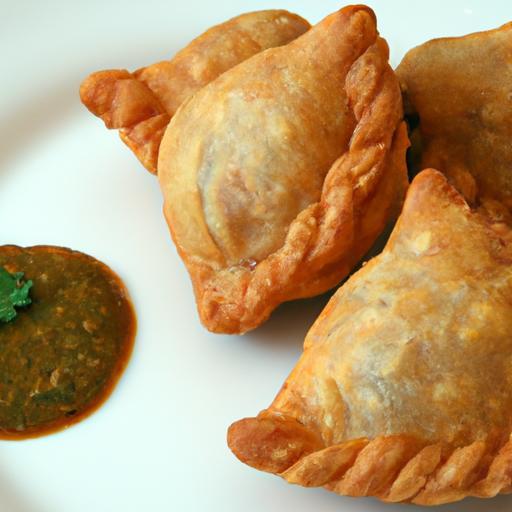
The Punjabi samosa is traditionally served piping hot, accompanied by vibrant chutneys that add tang and zest. pair it with a sharp, refreshing tamarind chutney and a cooling fresh mint-coriander chutney to balance the richness. garnishing with thinly sliced onions and a light sprinkle of chaat masala intensifies the flavor profile.
For an authentic experience, offer the samosas with a conventional cup of Masala Chai, its warming spices complementing the snack perfectly. To add variety, serve alongside a Punjabi Aloo Tikki for a true street-food feast at home.
| Nutritional Information (per samosa) | Amount |
|---|---|
| Calories | 180 kcal |
| Protein | 4 g |
| Carbohydrates | 25 g |
| Fat | 8 g |

To dive deeper into the cultural facets and history behind this iconic treat, explore resources such as Britannica’s Samosa Overview for a scholarly viewpoint on its evolution from Central Asia to Indian kitchens.
Q&A
Q&A: Punjabi Samosa - A Crispy Tale of Flavor and Tradition
Q1: What makes the Punjabi samosa different from other samosas found across India?
A1: The Punjabi samosa stands out with its bold, robust flavors and hearty filling. While many samosas may lean towards delicate spices and lighter textures, Punjabi samosas explode with a spicy, tangy potato and pea mixture, frequently enough enhanced with ginger, green chilies, and amchur (dried mango powder). The pastry is thicker and perfectly crisp, giving a satisfying crunch that complements the intense flavors inside.it’s not just a snack; it’s a flavor-packed experience rooted in Punjab’s vibrant culinary traditions.
Q2: How did the samosa become a beloved street food in Punjab?
A2: The samosa’s journey to Punjab is as rich as its filling. Originally believed to have Central Asian origins, samosas made their way through trade routes and cultural exchanges into the Indian subcontinent. Punjab, with its thriving trade hubs and bustling markets, embraced the samosa wholeheartedly. Street vendors perfected the recipe, creating crispy turnovers bursting with spice that quickly became a staple snack during festivals, tea time, and social gatherings. Over generations, it evolved into a symbol of Punjabi hospitality and zestful living.
Q3: What ingredients are essential for an authentic Punjabi samosa?
A3: authenticity begins with quality and balance. The essential ingredients include starchy potatoes, boiled and mashed just right, mixed with green peas, fresh chopped coriander, ginger, green chilies, and a medley of spices like cumin seeds, coriander powder, garam masala, and amchur for a zesty tang. The dough is made from refined flour (maida) with a hint of oil or ghee to achieve that perfect crispness once fried. Each component plays a role in layering the flavors that make the Punjabi samosa unforgettable.
Q4: Why is the Punjabi samosa often paired with tamarind chutney or green chutney?
A4: The Punjabi samosa’s spicy, savory profile begs for a contrasting companion, and chutneys provide just that. Tamarind chutney adds a sweet and tangy note, balancing the heat and enriching the taste, while green chutney-made from fresh coriander, mint, and green chilies-injects freshness and a little kick. This dynamic pairing elevates each bite, engaging the palate with layers of textures and flavors, much like a symphony of taste.
Q5: Can the Punjabi samosa be adapted for modern dietary preferences without losing its essence?
A5: Absolutely! While traditional Punjabi samosas are deep-fried, modern versions can be baked or air-fried to offer a healthier twist without sacrificing that trademark crunch. The filling can be tweaked to include sweet potatoes, lentils, or even paneer to cater to various dietary needs or preferences. though, the essence lies in the bold spices and the crispy exterior-the heart of the punjabi samosa experience remains intact, no matter the innovation.
Q6: What cultural significance does the Punjabi samosa hold in Punjabi festivals and gatherings?
A6: Beyond being a delicious snack,the Punjabi samosa embodies community and celebration. It’s frequently enough served during festive occasions like Lohri, Diwali, and weddings, symbolizing warmth and togetherness. Sharing samosas over chai is an age-old tradition that sparks conversations, laughter, and bonding. This humble pastry thus transforms into a cultural ambassador, carrying stories of Punjab’s rich heritage and its people’s zest for life, one crispy bite at a time.
Q7: How can one best enjoy a Punjabi samosa at home?
A7: The magic of a Punjabi samosa is best savored fresh and hot, right from the oil or oven. Pair it with steaming chai or your favorite spicy chutneys. For an authentic experience, try breaking it open midway to reveal the steaming spiced filling, then dip generously. Relish the textures-the crisp shell contrasted with the soft, spicy core-and let each bite transport you to the vibrant streets of Punjab, where every samosa tells a crispy tale of flavor and tradition.
To Conclude
As the golden layers of a Punjabi samosa crackle beneath your fingers, you’re not just biting into a snack-you’re savoring a story steeped in history, culture, and culinary artistry. This humble pastry, with its crispy embrace and spiced heart, offers more than flavor; it’s a delicious testament to tradition and community spirit that transcends generations. Whether enjoyed on bustling street corners or during festive gatherings, the Punjabi samosa remains a timeless emblem of India’s vibrant palate-a crispy tale that continues to unfold with every crunchy bite. So next time you indulge in this iconic treat, remember you’re partaking in a legacy as rich and layered as the samosa itself.