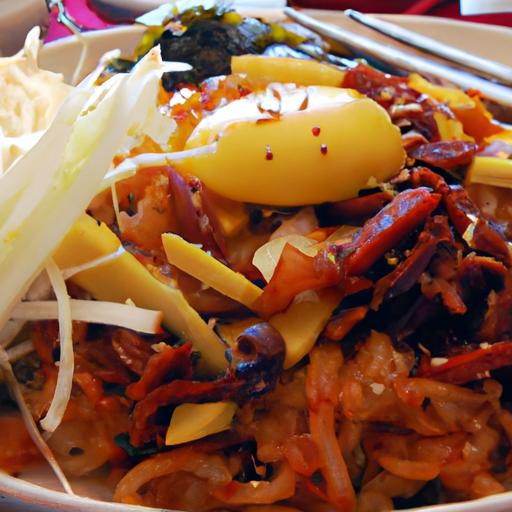
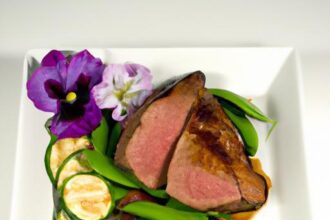
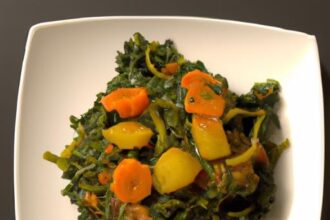
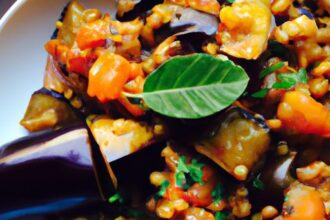
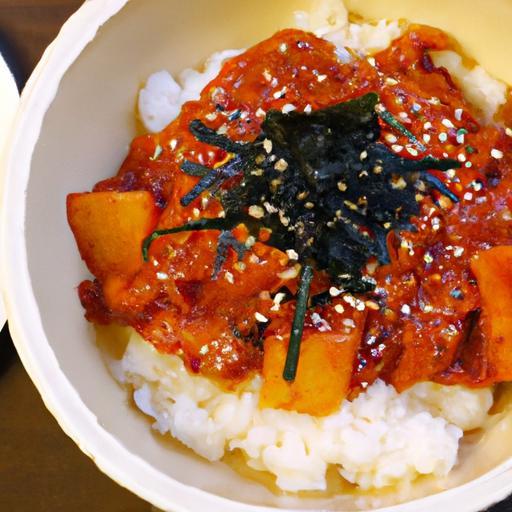
In the vibrant tapestry of Korean cuisine, the Korean Rice Dish stands as the beating heart of tradition and comfort. Every Korean Rice Dish tells a story—one steeped in culture, harmony, and centuries-old culinary artistry. From the sizzling, spicy allure of Bibimbap to the delicate sweetness of Jumeokbap, each Korean Rice Dish offers a journey through flavor and memory. Whether you’re a devoted foodie or a curious cook, exploring the Korean Rice Dish universe reveals the beauty of simplicity elevated to perfection.
The magic of a Korean Rice Dish lies in its versatility. One Korean Rice Dish can be fiery and bold, another soft and nurturing, yet all share the same foundation—fluffy rice infused with love and authenticity. In this guide, every Korean Rice Dish unfolds layer by layer, showing how basic grains can transform into iconic masterpieces. By learning these Korean Rice Dish recipes, you bring Korea’s vibrant markets and homestyle kitchens right to your table.
Korean Rice Dish recipes embody balance—the gentle sweetness of steamed rice meeting the deep umami of soy, sesame, and chili. Each Korean Rice Dish captures the essence of community and celebration, reminding us that food is a bridge between generations. As you perfect your own Korean Rice Dish skills, you’ll uncover not just new recipes, but the soul of Korean comfort food itself.
So, savor the joy and warmth of every Korean Rice Dish, and let these time-honored recipes inspire you to cook with heart. With every bite of a Korean Rice Dish, you taste more than food—you taste a story, a culture, and a celebration of flavor.
prep and Cook Time
- Preparation: 25 minutes
- Cooking: 40 minutes
- Total Time: 1 hour 5 minutes
Yield
Makes 4 generous servings
Difficulty Level
Medium
Ingredients
- 2 cups short-grain Korean white rice, rinsed and drained
- 2 ½ cups water
- 1 cup bean sprouts, blanched and drained
- 2 medium zucchinis, julienned
- 1 large carrot, julienned
- 150g shiitake mushrooms, sliced
- 200g ground beef
- 4 large eggs
- 2 tablespoons sesame oil
- 3 cloves garlic, minced
- 3 tablespoons soy sauce, divided
- 1 tablespoon gochujang (Korean chili paste)
- 1 teaspoon sugar
- Sesame seeds, toasted, for garnish
- Salt and pepper, to taste
Instructions
- Prepare the Rice: Rinse the rice under cold water until the water runs clear to remove excess starch. Combine rinsed rice and water in a rice cooker or pot. Cook until tender and fluffy (about 20 minutes in a rice cooker). Set aside keeping warm.
- Season Vegetables: Heat 1 tablespoon of sesame oil over medium heat in a large pan. Sauté zucchini with a pinch of salt until soft but still vibrant, about 3 minutes. Remove and repeat with carrots. Sauté mushrooms with minced garlic and 1 tablespoon soy sauce until tender and fragrant, about 5 minutes. Blanch bean sprouts in boiling water for 1 minute, drain well, then toss with a splash of sesame oil and salt.
- Cook the Beef: In the same pan,add the ground beef with 2 tablespoons soy sauce,1 teaspoon sugar,salt,and pepper. Cook until browned and cooked through, breaking up the meat with a spatula, about 6-7 minutes. Remove from heat.
- Fry the Eggs: in a clean pan, heat a small amount of oil and fry eggs sunny-side up, keeping yolks runny for authentic bibimbap experiance.
- Assemble the Bibimbap: In individual bowls, spoon a base of warm rice. Neatly arrange portions of each sautéed vegetable and the seasoned beef around the rice. Place the fried egg on top. Add a tablespoon of gochujang to the center.
- Serve: Drizzle remaining sesame oil lightly over everything and sprinkle with toasted sesame seeds. Serve bibimbap with optional extra gochujang on the side for customizing heat.
Chef’s notes
- Rice Texture: Use short-grain rice for its sticky texture that holds ingredients well. Avoid rinsing too aggressively,or the rice may become mushy.
- Vegetable Variations: Feel free to add spinach, radish, or fernbrake for more variety and authenticity.
- Protein Options: Substitute ground beef with chicken, tofu, or seafood for different flavor profiles.
- Make-Ahead: Prepare and store cooked vegetables and beef separately to reduce assembly time before serving.
- Balancing Flavors: Adjust gochujang according to your preferred spice level; it adds a deep umami with vibrant heat.
Serving Suggestions
Present your bibimbap bowls accompanied by a small dish of kimchi and a light broth soup like Doenjang Jjigae to complement the hearty textures. Garnish with sliced nori strips or fresh scallions for extra color and crunch. Encourage diners to mix all the ingredients thoroughly to enjoy the dish’s harmonious blend of flavors and textures.

Nutritional facts (per serving)
| calories | Protein | Carbohydrates | Fat |
|---|---|---|---|
| 520 kcal | 28 g | 65 g | 15 g |
For more insight into the rich traditions behind Korean rice dishes, check out this expert guide on gochujang by Maangchi, a leading authority in Korean cooking worldwide.
Q&A
Q&A: Savor the Flavors - Essential Korean Rice dish Recipes Guide
Q1: What makes Korean rice dishes so unique compared to other Asian cuisines?
A1: Korean rice dishes stand out with their vibrant harmony of textures and layers of bold, umami-rich flavors.Unlike simply steamed rice, these dishes frequently enough combine rice with fermented ingredients, fresh vegetables, and savory proteins, creating a comforting yet dynamic bite. The balance of sweet, spicy, salty, and tangy elements-frequently enough enhanced by gochujang (red chili paste) or doenjang (fermented soybean paste)-gives Korean rice dishes their uniquely addictive character.
Q2: What are some essential Korean rice dishes every beginner should try?
A2: To start your delicious journey, try Bibimbap – a colorful bowl layered with seasoned veggies, marinated meat, a fried egg, and spicy gochujang. Then there’s Kimchi Bokkeumbap, a fiery stir-fried rice with kimchi and pork or tofu. Don’t miss Japchae served atop rice for a noodle-rice combo, or the comforting Dakbap, a fragrant chicken and rice dish. each one offers a distinct window into Korean home cooking.
Q3: How can I recreate authentic Korean flavors at home?
A3: The secret lies in the condiments and preparation techniques. Incorporate staples like garlic, sesame oil, soy sauce, and fermented pastes to capture depth and character. Marinate proteins with soy-based mixtures before cooking, and use toasted sesame seeds or seaweed flakes as finishing touches.Using short-grain rice is key for that sticky, chewy texture that holds everything together beautifully.
Q4: Are Korean rice dishes healthy?
A4: Absolutely! Korean rice dishes often feature a balance of lean proteins, fiber-rich vegetables, and healthy fermented foods like kimchi, which boosts gut health. The use of minimal oil and natural seasonings over heavy sauces keeps dishes light yet flavorful. Plus, the communal style of eating encourages mindful portions and shared enjoyment.
Q5: Can Korean rice dishes be adapted for dietary preferences like vegetarian or gluten-free?
A5: definitely! Swap out meat for tofu, mushrooms, or tempeh to keep dishes plant-based without sacrificing texture or flavor. For gluten-free versions,use tamari instead of soy sauce and check that your gochujang or doenjang is gluten-free. The versatility of Korean rice dishes means you can easily tailor them while preserving their delicious essence.Q6: What’s the best way to serve these dishes for an authentic Korean dining experience?
A6: serve your korean rice dishes alongside banchan-small side dishes such as kimchi, pickled radish, and seasoned spinach.Use metal chopsticks and a spoon to enjoy the variety of textures, and a hot stone bowl (dolsot) for Bibimbap can add that delightful crispy rice crust.Sharing the meal family-style amplifies the warmth and communal spirit that defines Korean cuisine.
Q7: Were can I find recipes and ingredients to start cooking Korean rice dishes today?
A7: Many Korean grocery stores and online shops offer authentic ingredients like gochujang and doenjang.For recipes, culinary blogs, YouTube channels, and cookbooks dedicated to Korean cooking provide step-by-step guides with creative twists. Dive in with curiosity, and soon you’ll be savoring the rich flavors of Korea right from your kitchen!
The Way Forward
As we close this culinary journey through the vibrant world of Korean rice dishes, remember that each recipe is more than just sustenance-it’s a story of tradition, culture, and the art of savoring every bite. Whether you’re mastering the delicate balance of bibimbap, the comforting warmth of juk, or the satisfying crunch of nurungji, these essential recipes invite you to experience Korea’s rich flavors from your own kitchen. So, gather your ingredients, embrace the process, and let the humble grain of rice transform into a feast that delights both the palate and the soul. Your adventure in Korean cuisine is just beginning-one delicious spoonful at a time.