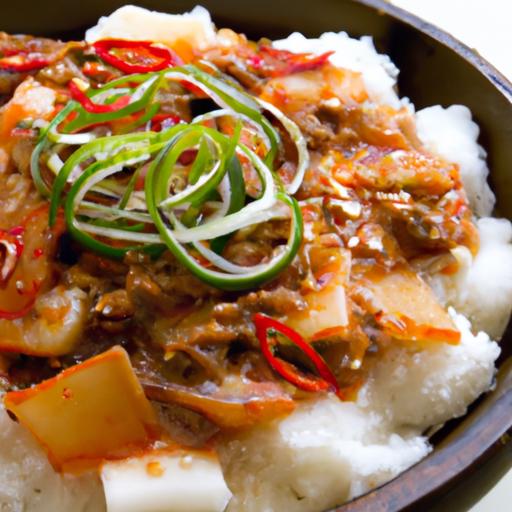

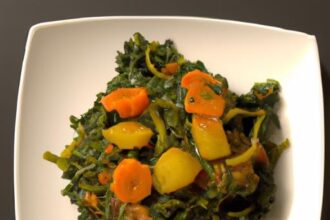
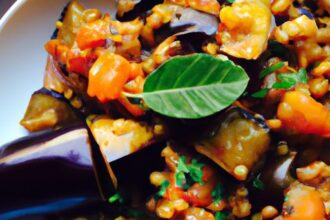
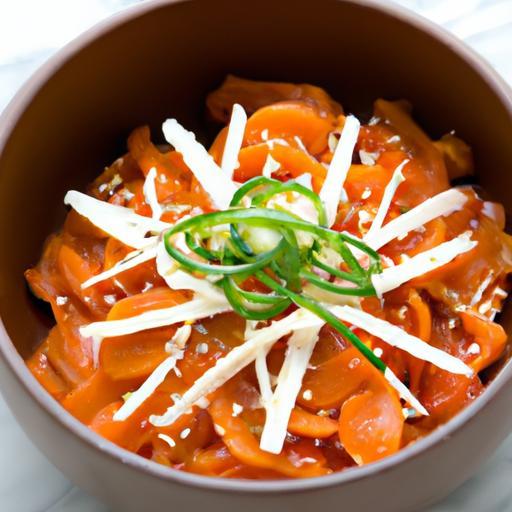
Rice Dishes are the foundation of Korean cuisine, and Rice Dishes shape every meal with tradition and meaning. Across Korea, Rice Dishes reflect history, culture, and culinary artistry, making Rice Dishes essential to daily life. From Seoul to rural villages, Rice Dishes appear in comforting bowls, vibrant mixes, and celebratory plates. Exploring Rice Dishes reveals how Korean Rice Dishes transform humble rice into flavorful experiences, proving that Rice Dishes are both timeless and endlessly creative.
Savor Korea through Rice Dishes that highlight balance, texture, and harmony, where Rice Dishes serve as a canvas for vegetables, meats, and sauces. Korean Rice Dishes such as bibimbap, fried rice, and traditional scorched rice showcase why Rice Dishes remain central to Korean identity. By mastering authentic Rice Dishes, home cooks can recreate classic Rice Dishes that honor heritage while enjoying modern comfort, making Rice Dishes unforgettable in every bite.
Prep and Cook Time
- Preparation: 15 minutes
- Cooking: 30 minutes
- Total: 45 minutes
Yield
4 generous servings
Difficulty Level
Medium - Perfect for adventurous home cooks ready to explore authentic flavors.
Ingredients
- 2 cups short-grain white rice, washed and soaked for 30 minutes
- 3 cups water
- 1 cup assorted vegetables (spinach, zucchini, carrots, shiitake mushrooms), julienned
- 1/2 cup soybean sprouts, blanched
- 1/4 cup sesame oil
- 2 cloves garlic, minced
- 2 teaspoons soy sauce
- 1 teaspoon gochujang (Korean red chili paste), optional
- 2 large eggs
- 1 tablespoon toasted sesame seeds
- Salt to taste
- 2 sheets nori (dried seaweed), shredded
Instructions
- Prepare the Rice: Rinse the rice thoroughly under cold water until the water runs clear to remove excess starch. Soak for 30 minutes, then drain.
- Cook Rice: Combine soaked rice and 3 cups of water in a heavy-bottomed pot or rice cooker. Bring to a boil over medium heat,then reduce to low and simmer for 15 minutes. remove from heat and let it steam, covered, for another 10 minutes.
- Sauté Vegetables: Heat 1 tablespoon of sesame oil in a pan over medium heat.Add garlic and sauté for 30 seconds until fragrant. Add julienned vegetables and cook until tender but still crisp,about 5 minutes. Season lightly with salt and soy sauce. Set aside.
- Cook Soybean Sprouts: Blanch sprouts in boiling salted water for 2 minutes, drain, and toss with a teaspoon of sesame oil and a pinch of salt.
- Fry Eggs: In a separate skillet, fry eggs sunny side up for a luscious runny yolk or to your preferred doneness.
- Assemble the rice Bowl: Fluff the cooked rice with a rice paddle or fork. Drizzle with remaining sesame oil and gently mix in sautéed vegetables and soybean sprouts,leaving space on top for the egg.
- Garnish and Serve: Add a dollop of gochujang if desired, then top with the fried egg. Sprinkle with toasted sesame seeds and shredded nori for added texture and umami.Serve immediately.
Tips for Success
- Rice Texture: Opt for Korean short-grain rice for authentic stickiness. If unavailable, Japanese sushi rice is a great substitute.
- Vegetable Variations: Feel free to rotate seasonal vegetables such as bean sprouts, bell peppers, or kimchi for different flavor profiles.
- Cooking Tools: use a heavy-bottomed pot or electric rice cooker for even heat distribution and perfect rice texture.
- Make Ahead: pre-cut vegetables can be stored in separate containers for up to 2 days, enabling speedy meal assembly.
- Balancing Flavors: Adjust salt and sesame oil quantities to your taste, but remember the magic lies in harmony.
Serving Suggestions
Present the rice dish in a conventional dolsot (stone bowl) if possible; its heat maintains the dish’s warmth and crisps the rice bottom delightfully. add a side of kimchi or pickled radishes to complement the savory richness. Garnish with fresh scallions or edible flowers for a pop of color and fresh aroma. Savor with a steaming bowl of korean spicy cod stew to complete an authentic Korean meal experience.

| Nutrient | Per Serving |
|---|---|
| Calories | 410 kcal |
| Protein | 11 g |
| Carbohydrates | 65 g |
| Fat | 9 g |
To deepen your culinary exploration, uncover more about Korea’s heritage at the Maangchi rice guide, a reputable resource for authentic cooking tips and cultural insights.
Q&A
Q&A: Savor Korea – Delicious Rice Dishes Recipes to Try Today
Q1: What makes Korean rice dishes stand out from other cuisines?
A1: korean rice dishes are a stunning harmony of simplicity and bold flavors. Unlike plain steamed rice, these dishes often combine rice with an array of vibrant ingredients-fermented vegetables, savory meats, spicy sauces, and aromatic seasonings-that create a symphony of taste and texture. The emphasis on communal eating and balanced nutrition also makes Korean rice dishes deeply satisfying and culturally rich.
Q2: Can you name a few iconic Korean rice dishes everyone should try?
A2: Certainly! Bibimbap is a must-try-a colorful mixed rice bowl topped with seasoned vegetables, a fried egg, and gochujang sauce. Another favorite is Kimbap, Korean-style seaweed rice rolls packed with veggies and protein. For a hearty meal, try Kimchi Bokkeumbap (kimchi fried rice) which combines tangy fermented kimchi with rice and frequently enough a sunny-side-up egg. And don’t miss out on Juk, a comforting rice porridge that’s perfect for chilly days.
Q3: Are these dishes difficult to prepare at home?
A3: Not at all! many Korean rice recipes are quite approachable. Bibimbap, such as, mainly requires prepping and sautéing a few vegetables, cooking rice, and assembling the bowl with a flavorful sauce. Kimbap involves rolling rice and fillings in seaweed sheets-practice makes perfect, but it’s fun to try. Kimchi fried rice is practically a one-pan dish, great for beginners. With a few key ingredients and some patience, you can enjoy authentic Korean flavors in your own kitchen.
Q4: What ingredients are essential to keep in my pantry for Korean rice recipes?
A4: Keep your pantry stocked with short-grain rice, gochujang (Korean chili paste), soy sauce, sesame oil, garlic, and kimchi. seaweed sheets (nori) are essential for kimbap, and a selection of fresh vegetables-spinach, carrots, bean sprouts-will help you recreate that authentic touch. If possible,also grab some beef or tofu for extra protein options.
Q5: How can I customize these rice dishes to suit my taste or dietary needs?
A5: Korean rice dishes are incredibly versatile! Swap out meat for tofu or mushrooms to make a vegetarian or vegan bibimbap. Adjust the level of spiciness by moderating gochujang or replacing it with a milder sauce. Add or omit vegetables based on your preferences or seasonal availability. The key is balance-aim for a good mix of textures and flavors to keep each bite exciting.
Q6: Why is it worth exploring Korean rice dishes beyond just the taste?
A6: When you savor Korean rice dishes, you’re tasting centuries of tradition, culture, and communal spirit.These meals reflect a mindful approach to balance-between flavors, health, and presentation. They invite you to slow down, appreciate the artistry of food, and connect with a rich culinary heritage. Plus, sharing a vibrant bibimbap or fresh kimbap roll with others turns a simple meal into a joyful experience.
Q7: Where can I find inspiration or authentic recipes to start my Korean rice cooking journey?
A7: Start by exploring cookbooks dedicated to Korean cuisine or trustworthy food blogs that specialize in authentic recipes.YouTube channels featuring korean chefs offer fantastic step-by-step guides too. Visiting Korean markets or grocery stores can also inspire you with ingredients and ready-made sides. The key is to experiment, have fun, and let your palate guide you through the vibrant world of Korean rice dishes!
Future Outlook
As you close this flavorful journey through the heart of Korean rice dishes, let your kitchen become a canvas for these timeless recipes. From the comforting warmth of bibimbap to the subtle sweetness of yakbap, each dish tells a story of tradition, culture, and shared meals. So gather your ingredients, ignite your curiosity, and savor the rich tapestry of flavors that Korean rice cuisine has to offer-because sometimes, the simplest grain holds the most delicious secrets. Happy cooking and even happier tasting!