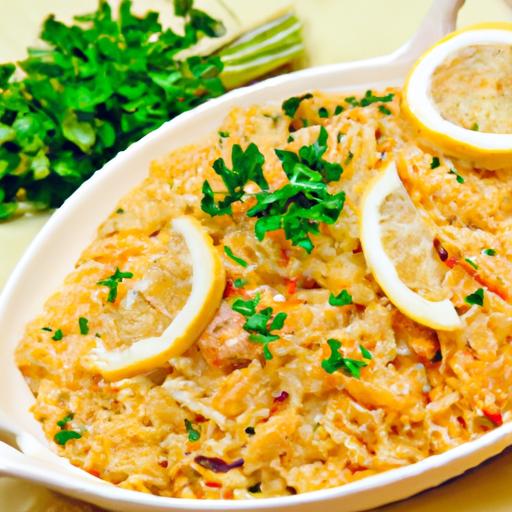
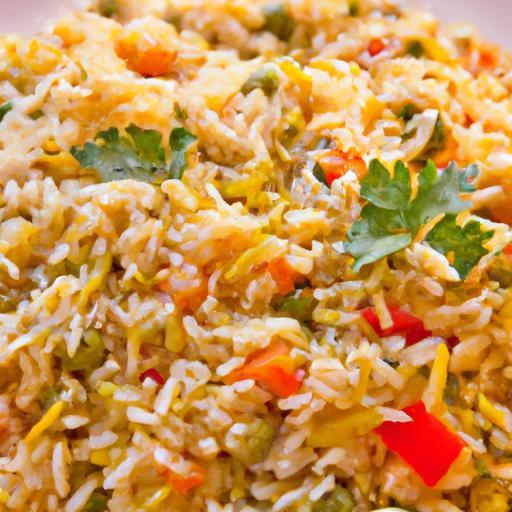
Beneath the golden rays of the sun, simple ingredients transform into a symphony of flavors-welcome to the world of sun-cooked rice pilaf. This age-old culinary tradition harnesses the gentle warmth of daylight to infuse grains with a unique depth and aroma that stovetop cooking can scarcely replicate. More than just a method, sun-cooking rice pilaf is a flavorful journey that connects us with nature’s rhythms and ancient heritage, offering a sensory experience that delights both palate and soul. join us as we explore this radiant technique, uncovering how the sun’s nurturing heat elevates humble rice into a vibrant dish bursting with cultural richness and sun-soaked flavor.
Sun-cooked rice pilaf is a timeless culinary tradition that marries the gentle intensity of natural solar heat with fragrant, hand-picked ingredients to create a dish that’s both rustic and refined. This sun-cooked rice pilaf recipe invites you to step outdoors and embrace a slower, more mindful approach to cooking-one that enhances every grain with subtle toasted notes and an irresistible aroma. Originating in sun-drenched regions where harnessing the habitat was essential, this technique elevates a simple pilaf into a sensory journey, rich in flavor and texture.
Prep and Cook Time
Planning: 20 minutes | Cooking: 4-6 hours (under direct sunlight) | Total: 4 hours 20 minutes to 6 hours 20 minutes
Yield
Serves 4-6 people
Difficulty Level
Medium – Requires patience, attention to solar conditions, and occasional stirring
the Art of Selecting Aromatic Ingredients That Elevate Your Pilaf Experience
The magic of this sun-cooked rice pilaf unfolds with the choice of fragrant components. Basmati rice is ideal for its slender, fluffy grains that separate beautifully after cooking. Paired with golden caramelized onions, warm cumin seeds, and freshly ground coriander, the base invites layers of complexity. Incorporate slivered almonds or toasted pine nuts, both offering textural contrast, while dried fruits like raisins or apricots add gentle sweetness. Fresh herbs such as cilantro or mint brighten the final ensemble, balancing earthiness with freshness.
Ingredients
- 2 cups Basmati rice, rinsed and soaked for 30 minutes
- 3 tablespoons ghee or unsalted butter
- 1 large onion, thinly sliced
- 1 teaspoon cumin seeds
- 1 teaspoon coriander powder, freshly ground
- 1/2 teaspoon turmeric powder
- 1/2 cup slivered almonds, toasted
- 1/4 cup golden raisins or chopped dried apricots
- 4 cups vegetable or chicken broth, warm
- Salt, to taste
- Fresh cilantro or mint leaves, chopped (for garnish)
- 1 medium carrot, julienned (optional, for texture and colour)
Step-by-Step Guide to Preparing Sun-Cooked Rice Pilaf with Rich Flavors
- Prepare the rice: Rinse the basmati rice thoroughly until water runs clear to remove excess starch. Soak it for 30 minutes to ensure light fluffiness.
- Sauté the aromatics: In a heavy-bottomed skillet, melt the ghee over medium heat. Add the cumin seeds and toast until fragrant, about 1 minute. Stir in the sliced onions and sauté until deeply golden, approximately 8-10 minutes. Add the coriander powder, turmeric, and a pinch of salt to enhance flavor depth.
- Combine nuts and fruits: Stir in the slivered almonds and golden raisins with the aromatic onion mixture, cooking for 2 minutes to allow nuts to toast lightly and fruits to plump.
- Add the rice and liquid: Drain the soaked rice and add it to the skillet, gently folding with the aromatics. Pour in the warm broth, adjusting salt to taste. Bring the mixture briefly to a simmer on low heat.
- Transfer to your solar cooker or sun-exposed pot: Pour the contents into a sun-safe, covered casserole or heatproof pot. Place it in direct sunlight, ensuring at least 4-6 hours of steady solar heat. Check periodically, stirring gently once midway to prevent sticking, if possible without cooling the pot.
- finishing touches: Once the rice is tender and broth absorbed,fluff lightly with a fork. Fold in fresh cilantro or mint and julienned carrots for vibrancy and crunch.Cover for 10 minutes off the heat to meld flavors.
- Serve: Dish out the pilaf onto a warm plate, garnishing with extra toasted nuts or herb sprigs for an inviting presentation.
Tips for Enhancing Your Pilaf with Herbs, Spices, and Textural Contrasts
To boost the flavor profile, experiment with spices such as cardamom pods or a cinnamon stick added during the initial sauté step for a subtle warmth. For those who favor a smoky note, a dash of smoked paprika or a crisped sage leaf lifted from the solar cooker complements beautifully. Incorporate chopped roasted vegetables like bell peppers or zucchini after cooking for added body and color. Walnut pieces or diced pepitas deliver a pleasing crunch, while a squeeze of fresh lemon juice brightens the final dish.Remember, layering textures and aromas is key to turning this sun-cooked rice pilaf into an unforgettable culinary experience.
Chef’s Notes
- Use a solar cooker with a reflective surface or place the pot in a secure, sun-exposed spot to maximize heat absorption.
- If sunlight fluctuates,extend cooking time; patience ensures delicate aroma advancement and even cooking.
- For a vegetarian pilaf, vegetable broth enriches flavor without overpowering the rice.
- To prep ahead,assemble all ingredients and refrigerate the casserole; bring to room temperature before sun cooking.
- If you lack consistent sun, a low oven (about 200°F/90°C) can mimic solar cooking, though the unique smoky character might be subtle.
Serving Suggestions
Present this delectable sun-cooked rice pilaf alongside grilled meats, roasted vegetables, or a zesty yogurt raita to complement its aromatic nuances. Garnish with a sprig of fresh cilantro or mint and a few toasted almond slivers to enhance color and texture appeal. For an elegant touch, scatter edible flower petals or a sprinkle of pomegranate seeds to contrast with the golden rice.

| Nutrient | Per Serving (approx.) |
|---|---|
| Calories | 320 kcal |
| Protein | 6 g |
| Carbohydrates | 48 g |
| Fat | 10 g |
Explore more sun-inspired recipes in our Outdoor Cooking Tips collection, and discover the science behind solar cooking from the Solar Cooking Archive.
Q&A
Q&A: Sun-Cooked Rice Pilaf: A Flavorful Journey Under the Sun
Q: What exactly is sun-cooked rice pilaf?
A: Sun-cooked rice pilaf is a customary culinary technique where rice and its accompanying ingredients are slowly cooked outdoors, harnessing the gentle, consistent heat of the sun. This method infuses the pilaf with a subtle depth of flavor, marrying natural warmth with aromatic spices and wholesome grains.
Q: How does sun cooking differ from conventional pilaf preparation?
A: Unlike stovetop or oven cooking, sun cooking relies solely on solar energy to gently simmer the rice over extended hours. This slow approach allows flavors to harmonize naturally, resulting in a fluffy, fragrant dish imbued with the essence of daylight and patience-something no electric flame can replicate.
Q: Is sun-cooked rice pilaf a ancient or cultural tradition?
A: absolutely! Many cultures have embraced sun cooking as a sustainable, resourceful way to prepare meals.In sun-rich regions around the world, this method not only conserves fuel but also connects cooks to the rhythms of nature-transforming meal preparation into a mindful, almost meditative ritual.
Q: What ingredients typically go into a sun-cooked rice pilaf?
A: At its heart, the pilaf includes fragrant long-grain rice, savory broth, and a bouquet of spices like cinnamon, cardamom, and saffron. Nuts,dried fruits,sautéed onions,and fresh herbs frequently enough join the mix-each layered thoughtfully to build complexity over the slow solar soak.
Q: Can anyone try making sun-cooked rice pilaf at home?
A: Yes! All you need is a sunny spot, a well-sealed cooking vessel, and some patience. While it requires ample daylight hours and some weather considerations, this method is a creative experiment for adventurous cooks eager to meld culinary craft with environmental harmony.
Q: What are the benefits of cooking pilaf under the sun?
A: Beyond the unique flavor profile, sun cooking promotes energy efficiency and slows down the cooking process, enhancing mindful eating. It invites us to slow down, observe nature’s pace, and savor both the cooking journey and the flavorful destination.
Q: Are there any tips for perfecting sun-cooked rice pilaf?
A: choose a dark, heat-absorbing pot with a tight lid to retain warmth and steam. Pre-soak the rice to ensure even cooking. Position your cooking vessel in a sun-drenched spot, protected from wind. Lastly, resist the urge to peek too often-trust the sun’s steady embrace to work its magic.
Q: How does sun-cooked pilaf enhance the dining experience?
A: Eating sun-cooked pilaf is more than nourishment; it’s a celebration of nature’s collaboration. Each bite carries the patient warmth of the sun, the subtlety of layered spices, and the story of a cooking method rooted in sustainability and tradition-inviting you on a flavorful journey under the golden rays.
In Conclusion
As the golden rays of the sun meld with the fragrant spices and tender grains, sun-Cooked Rice Pilaf becomes more than just a dish-it transforms into a celebration of nature’s warmth and culinary tradition. This flavorful journey under the sun invites us to slow down, embrace time-honored methods, and savor the subtle harmony crafted by sunlight and seasoning. Whether enjoyed in a bustling kitchen or under open skies, this pilaf reminds us that sometimes, the simplest ingredients combined with a touch of natural magic can create a feast for both the palate and the soul. So next time you seek a meal that tells a story, let the sun guide your cooking and awaken your senses with every sun-cooked bite.