In the heart of southern Italy, where sun-soaked fields ripple with golden grains and ancient traditions knead together time and terroir, a humble loaf tells a story as rich as the land itself.Rustic Pugliese bread, celebrated for its crackling crust and tender crumb, finds new life when crafted with nutty durum wheat flour-a flour that brings both character and resilience to the table. This marriage of rugged simplicity and robust flavor invites bread lovers on a sensory journey, where every crusty bite echoes centuries of PugliaS rural heritage and the natural bounty of its fertile soil. Join us as we explore the art and soul behind this distinctive bread, uncovering how durum wheat transforms a rustic classic into a vibrant testament to Italian craftsmanship.
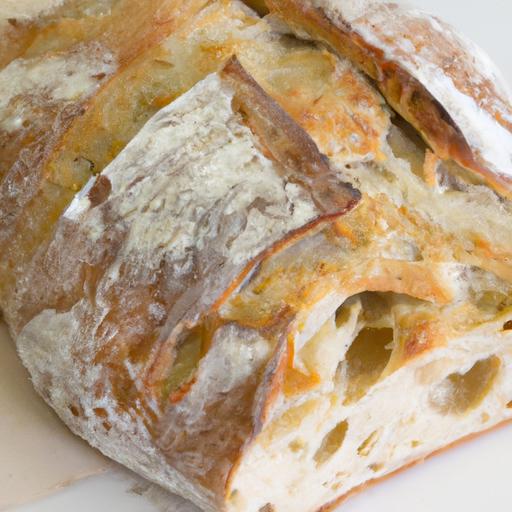
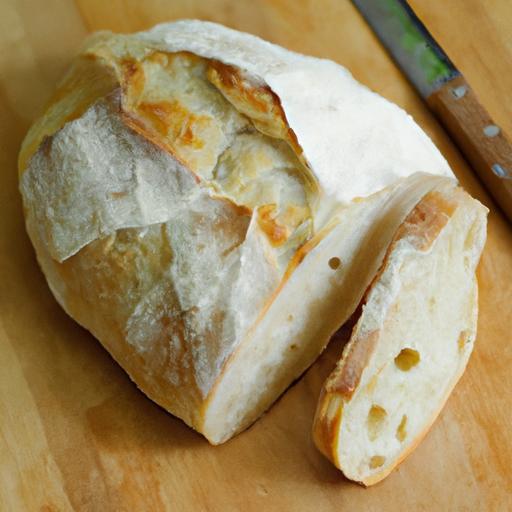
Rustic Pugliese bread made with nutty durum wheat flour captures the very essence of Southern Italy’s sun-kissed landscapes and centuries-old traditions. This golden, hearty loaf is celebrated not just for its crisp crust and tender, chewy crumb, but for the unique, almost sweet nuttiness that durum wheat flour imparts. Baking it at home is an invitation to connect deeply with Puglia’s timeless rural heritage and savor a bread steeped in soul-soothing simplicity.
Prep and Cook Time
- Planning: 30 minutes
- First Rise: 3 hours
- Second Rise: 1 hour
- Baking: 40 minutes
- Total Time: Approximately 5 hours 10 minutes (including rising)
Yield
This recipe makes one large loaf, ideal for 8 generous slices.
Difficulty Level
Medium: Perfect for bakers with some experience in handling high-protein flours and longer fermentation doughs.
Ingredients
- 500g durum wheat flour (preferably finely milled)
- 350ml lukewarm water (around 75°F / 24°C)
- 10g fine sea salt
- 7g active dry yeast (about 1 packet)
- 1 tablespoon extra virgin olive oil (optional, for a softer crust)
- Semolina flour for dusting (to achieve that rustic crackle)
Instructions
- activate the yeast: In a small bowl, gently dissolve the yeast in 100ml of lukewarm water. Let it bloom for 5-7 minutes until frothy, signaling active yeast ready to breathe life into the dough.
- Combine dry ingredients: In a large mixing bowl, whisk together the durum wheat flour and sea salt to ensure even distribution of seasoning.
- Mix dough: Create a well in the flour, then pour the activated yeast mixture along with the remaining 250ml of water and olive oil. Stir with a wooden spoon or your hand until a rough dough forms.
- Knead to a smooth ball: Turn the dough onto a lightly floured surface and knead for about 10-12 minutes. The dough will feel slightly firmer than regular bread dough due to the durum flour’s high protein content. Aim for a smooth,elastic texture but avoid adding too much extra flour,which can stiffen the crumb.
- First rise: Lightly oil a large bowl, place the dough inside, cover with a clean kitchen towel or plastic wrap, and let it rise in a warm draft-free spot.It should double in size in roughly 3 hours, testament to the slow fermentation that builds flavor and texture.
- Shape the loaf: Once risen, gently deflate the dough and shape it into a round boule. Dust generously with semolina flour - this subtle grit creates the signature crunchy crust.
- Second rise: Place the shaped loaf on a baking sheet lined with parchment. Cover again and let rise for about 1 hour until puffy.
- Preheat and score: Preheat your oven to 230°C (450°F). just before baking, use a sharp serrated knife or bread lame to make a single, confident slash on the loaf’s surface. This allows for graceful oven spring and the rustic appearance Pugliese bread is known for.
- Bake with steam: Place a shallow pan with hot water at the bottom of the oven or spritz the loaf with water before baking to encourage a blistered, crackling crust. Bake for 40 minutes, rotating halfway through for even browning.
- Cool completely: Remove the loaf and transfer it to a wire rack to cool fully before slicing. The crumb sets best once the steam escapes and the aroma fills your kitchen.
Tips for Success
- Using nutty durum wheat flour means the dough will be stiffer-resist the urge to add too much water; instead, focus on thorough kneading for gluten progress.
- For deeper flavor, allow the dough to ferment slowly overnight in the refrigerator after the first rise-just bring it back to room temperature before shaping.
- Semolina flour dusting is key for the authentic rustic crust and makes the loaf easier to transfer and handle.
- If you don’t have active dry yeast,instant yeast can be substituted without proofing-simply mix directly with flour.
- use a Dutch oven or covered bakeware for an extra steamy environment if you don’t have a water pan in the oven.
Serving Suggestions
This loaf shines with simple accompaniments: slathered in creamy burrata, drizzled with local Puglian olive oil, or paired alongside intensely flavored salumi. For an authentic experience, serve it alongside Pugliese focaccia or tomato-piled bruschetta. Garnish with fresh rosemary sprigs or a sprinkle of flaky sea salt to emphasize the bread’s deep rustic charm.

| Nutritional Info (per slice) | Amount |
|---|---|
| Calories | 185 kcal |
| Protein | 7g |
| Carbohydrates | 36g |
| Fat | 1.5g |
For more about the unique benefits of durum wheat and its culinary heritage, visit the authoritative guide at Bread World - Durum Wheat flour.
Q&A
Q&A: Discovering the Charm of Rustic Pugliese Bread Made with Nutty durum Wheat Flour
Q1: What is Rustic Pugliese Bread, and what makes it unique?
A1: Rustic Pugliese Bread hails from the sun-drenched region of Puglia in southern Italy. Known for its golden crust and open, chewy crumb, it embodies the soul of conventional Italian baking. What makes it unique is its simplicity-few ingredients yet profound depth-and the use of durum wheat flour, which lends a pleasantly nutty flavor and a hearty texture that sets it apart from your everyday loaf.Q2: why use durum wheat flour instead of regular wheat flour?
A2: Durum wheat flour is the star ingredient here. unlike common bread flour, durum has a higher protein content and a rich, amber color. Its distinctive nutty aroma and robust texture give Rustic Pugliese Bread its unmistakable character and a slightly denser crumb that holds crusty edges beautifully. It also enhances the bread’s flavor profile, making every bite a dance of earthy and sweet notes.
Q3: How does the traditional Pugliese baking method contribute to the bread’s texture and flavor?
A3: The magic lies in the slow fermentation and high hydration dough. Pugliese bakers embrace patience,allowing the dough to rise slowly,frequently enough overnight. this long fermentation develops complex flavors and a wonderfully open crumb with irregular holes. The dough’s high water content gives the bread its moist interior, while baking in a hot stone oven or on a baking stone creates the ideal crackling crust.
Q4: Can Rustic Pugliese Bread be made at home, or is it only for artisan bakers?
A4: Absolutely, with some practice! While artisan bakeries have mastered the nuances, home bakers can capture the essence of Rustic Pugliese using basic ingredients, a bit of patience, and the right technique. Key tips include using high-quality durum wheat flour, maintaining a wet dough, and allowing for long, slow fermentation.Though it might take a few trials, the reward is a loaf bursting with flavor and rustic charm right from your own oven.
Q5: What dishes pair best with Rustic Pugliese Bread?
A5: Thanks to its sturdy texture and nutty flavor, this bread is a versatile companion.It shines when dipped in extra virgin olive oil, accompanies vibrant Puglian vegetables and cheeses, or stands up beautifully to rich stews and hearty soups. Think bruschetta topped with ripe tomatoes and fresh basil, or a rustic sandwich layered with Italian cured meats. Its flavor enhances both simple and robust dishes alike.
Q6: How does Rustic Pugliese Bread reflect the culture and landscape of Puglia?
A6: This bread is a appetizing reflection of Puglia’s rugged terrain and agricultural bounty. The durum wheat used is native to Italy’s southern fields, where golden grains sway under the Mediterranean sun. Rustic and unpretentious, the bread embodies the region’s tradition of celebrating honest, local ingredients and slow, mindful cooking. It’s more than bread-it’s a taste of Puglia’s heritage and heart.
Q7: Any insider tips for achieving the perfect crust and crumb?
A7: For a crackling crust, bake the loaf on a preheated stone or steel, and introduce steam in the first minutes of baking-this can be done by adding a pan of hot water or spraying water in the oven. For the crumb, embrace high hydration (around 75-80%) and resist the urge to over-knead. Gentle folds rather than aggressive kneading help create those signature airy holes and tender interior.
Dive into Rustic Pugliese Bread with nutty durum wheat flour, and you’re not just baking-you’re crafting a sensory journey to the heart of Italian tradition. Happy baking!
The Conclusion
As the warm aroma of freshly baked Rustic Pugliese bread fills your kitchen,it’s clear that this traditional loaf is more than just bread-it’s a festivity of heritage and wholesome ingredients. Made with nutty durum wheat flour, each crusty slice carries the essence of southern Italy’s sun-drenched fields and centuries-old baking traditions. Whether enjoyed with a drizzle of olive oil,a sprinkle of sea salt,or simply torn apart alongside a hearty meal,this bread invites you to slow down and savor the simple joys of authentic,earthy flavors.So next time you crave a slice of rustic charm,remember that the heart of Puglia lies in every golden crumb of this timeless loaf.