In the heart of Zimbabwean kitchens, a humble dish carries the weight of tradition, culture, and community-sadza. This unassuming staple, made from finely ground maize meal, stretches beyond mere sustenance to embody the spirit of a nation. From bustling urban homes to tranquil rural villages, sadza is both a comfort and a celebration, shaping daily life and shared moments around the dinner table. in this exploration, we unveil the rich history, cultural significance, and enduring legacy of Zimbabwe’s beloved staple, revealing why sadza is so much more than just food-it is a thread that weaves together the past, present, and future of Zimbabwean identity.
Sadza unveiled reveals not only Zimbabwe’s culinary heart but also a profound cultural narrative woven through generations. This simple yet iconic maize porridge holds a place of honour at almost every Zimbabwean table, a symbol of unity, sustenance, and tradition. Rooted in centuries of farming heritage, sadza is much more than food-it’s a testament to resilience and community. Growing up, the thick, creamy texture of sadza paired with flavorful relishes evokes memories of family gatherings and shared stories, embodying comfort in every bite.
prep and Cook Time
- Preparation: 5 minutes
- Cooking: 20 minutes
- Total: 25 minutes
Yield
Serves 4 generously
Difficulty Level
Easy – Perfect for all skill levels
Ingredients
- 2 cups white maize meal (fine-ground cornmeal)
- 4 cups water, divided
- Pinch of salt (optional)
Instructions
- Bring 3 cups of water to a boil in a heavy-bottomed saucepan over medium-high heat.
- mix ½ cup maize meal with the remaining 1 cup cold water in a bowl until smooth to prevent lumps.
- Gradually pour the maize meal slurry into the boiling water,stirring continuously with a wooden spoon to form a thick porridge called “stiff porridge.”
- Reduce heat to low,cover and simmer for about 10 minutes,stirring occasionally to prevent sticking or burning on the bottom.
- Sprinkle the remaining 1½ cups maize meal over the top. Using a stiff wooden spoon or a customary sadza paddle (mutete),vigorously stir and knead the sadza to thicken it further until it pulls away cleanly from the pan sides.
- Cook an additional 5 minutes, stirring to ensure even cooking and desired firmness. Add a pinch of salt here if preferred.
- Shape the cooked sadza into smooth mounds and serve hot.
Tips for Success
- Consistency is key: Sadza should be firm enough to hold shape but soft to break with your fingers-avoid overcooking to dryness.
- Use a heavy pan: this prevents scorching and promotes even cooking.
- For a different twist, substitute part of the white maize meal with yellow maize for a more rustic flavor and color.
- Make-ahead: Sadza can be reheated by adding a splash of water and stirring gently over low heat until warmed through.
Serving Suggestions
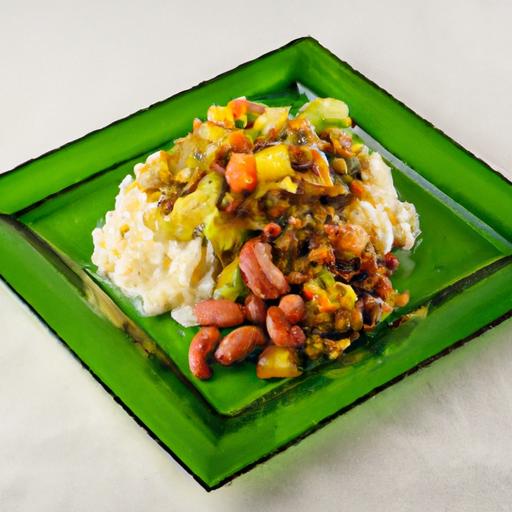
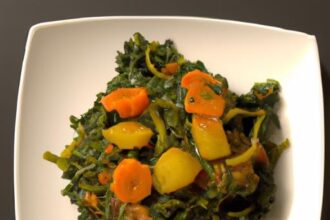
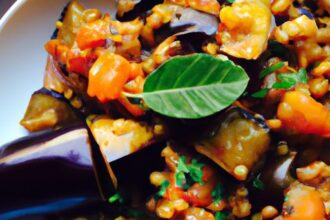
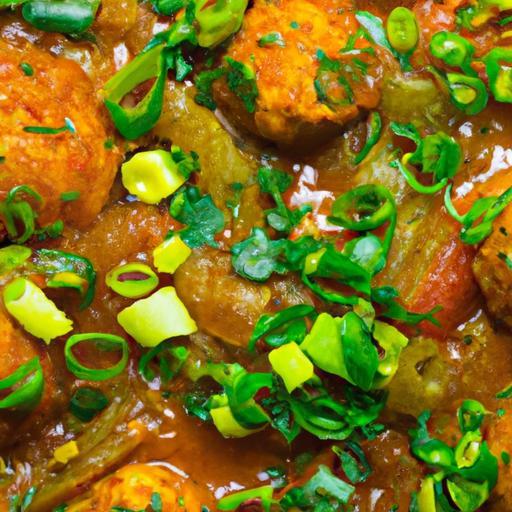
this dish pairs brilliantly with richly flavored tomato and spinach stew, smoky beef or chicken relishes, and groundnut sauces. Present individual servings shaped into neat mounds on colorful plates, garnished with freshly chopped coriander or a drizzle of palm oil for authenticity.For a modern flair, serve alongside grilled vegetables or a spicy bean stew. The neutral base of sadza amplifies every accompanying flavor,making it a versatile canvas for diverse dishes.
| Nutrient | amount per Serving |
|---|---|
| Calories | 200 kcal |
| Protein | 5 g |
| Carbohydrates | 45 g |
| Fat | 1 g |
Discover traditional Zimbabwean relishes to complement your sadza experiance.
For authentic past insight on maize cultivation and its role in African diets, visit the food and Agriculture Organization of the United Nations.

Q&A
Q&A: Sadza Unveiled – Exploring Zimbabwe’s beloved Staple Food
Q1: What exactly is sadza?
A1: it is more than just food-it’s the heartbeat of Zimbabwean cuisine. At its core, sadza is a thick, creamy porridge made from finely ground maize (corn) meal. It’s the staple that fills tables and hearts across Zimbabwe, embodying both comfort and tradition.
Q2: How is sadza traditionally prepared?
A2: The art of making begins with boiling water, into which a small portion of maize meal is whisked to form a smooth paste.More maize meal is gradually stirred in, thickening the mixture into a dense, dough-like consistency. It’s then vigorously stirred and shaped into a mound or lumps, ready to be enjoyed with a variety of savory accompaniments.
Q3: Why is sadza so important in Zimbabwean culture?
A3: Sadza is much more than sustenance-it’s a cultural symbol of home, family, and community. It’s the centerpiece of daily meals, shared among family members and guests alike.In celebrations, rituals, and everyday life, sadza anchors conversations and connections, reflecting Zimbabwe’s rich heritage and agricultural roots.
Q4: What dishes are commonly served with sadza?
A4: it’s neutral taste makes it the perfect canvas for flavorful relishes. These include nyama (grilled or stewed meat), muriwo (green leafy vegetables like spinach or covo), and beans stewed in tomato sauce. Saucy, spicy, or simply seasoned, these sides create a harmonious balance with the mild, hearty sadza.
Q5: Are there different types of sadza?
A5: Yes! While the classic white sadza, made from refined white maize meal, is most common, there is also sadza rezviyo made from finger millet. This variant has a nuttier flavor and is traditionally enjoyed in some regions,offering a delightful twist on the staple’s familiar taste and texture.
Q6: How has sadza evolved in modern Zimbabwe?
A6: While the essence of sadza remains unchanged, modern twists abound. Urban eateries experiment with sadza by pairing it with international flavors or creating softer, more textured versions. Despite these innovations, the traditional preparation continues to thrive, symbolizing continuity amidst change.
Q7: Can sadza be found outside of zimbabwe?
A7: Absolutely! Thanks to Zimbabwe’s diaspora and the growing popularity of African cuisines worldwide,sadza is enjoyed in neighboring countries and global cities alike.It represents a taste of home for zimbabweans abroad and an inviting introduction to the culture for newcomers.
Q8: What makes sadza unique compared to other staple porridges?
A8: Sadza’s uniqueness lies in its cultural significance and versatility. Unlike some porridges meant primarily as breakfast,sadza is a robust,lunch or dinner mainstay that’s shaped by hand,shared communally,and paired with a rainbow of savory sides.It’s a dish that nourishes body, soul, and tradition alike.
Q9: How can someone new to sadza best enjoy it?
A9: Approach sadza with an open mind and eager hands! Traditionally eaten without utensils, you pinch off a small lump, use it to scoop up your relish, and savor the marriage of textures and flavors. Sharing sadza is sharing a story-one of warmth, resilience, and Zimbabwe’s rich culinary tapestry.
Q10: Were dose sadza fit into Zimbabwe’s future culinary landscape?
A10: Sadza will undoubtedly remain a pillar of Zimbabwean identity, feeding generations to come. As young chefs blend tradition with innovation, sadza is poised to inspire new creations while preserving the comforting legacy that has fed Zimbabwe for centuries. Its story is far from over-it’s evolving, thriving, and inviting the world to taste its soul.
To Wrap it Up
As the final grains of sadza settle on the plate,its story lingers-threaded through generations,shared across communities,and celebrated as more than just a meal. This humble staple, with its simple ingredients and profound cultural resonance, continues to nourish not only bodies but also the rich tapestry of Zimbabwean identity. By unveiling the layers behind sadza, we glimpse the heart of a nation where tradition and sustenance blend seamlessly. Whether served at festive tables or humble hearths, sadza remains a timeless emblem of comfort, connection, and heritage-inviting all who partake to savor not just the flavor, but the legacy it carries.