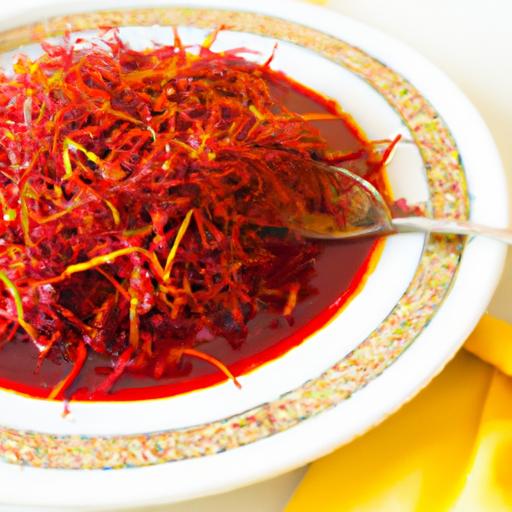
In the heart of Moroccan kitchens, where vibrant colors and tantalizing aromas dance in harmony, one ingredient reigns supreme-saffron, the golden spice of legends. More than just a luxurious seasoning, saffron weaves its rich history and complex flavor into every dish, elevating simple meals into unforgettable experiences. From fragrant tagines to delicate pastries, the secrets of using saffron unlock a world where tradition meets taste, and every pinch tells a story. Join us as we explore the magic of saffron in Moroccan cuisine, uncovering its culinary secrets and discovering how this tiny thread transforms flavors into pure gold.
Golden Spice secrets: Using Saffron in Moroccan Dishes
Golden spice secrets: using saffron in Moroccan dishes is an enchanting journey into the heart of moroccan culinary tradition. This precious spice not only colors the plate with its radiant hue but also infuses every dish with a complex aroma that’s both floral and earthy. From bustling souks in Marrakech to home kitchens across the Atlas Mountains, saffron’s role transcends flavor-symbolizing hospitality, celebration, and cultural pride.
Prep and Cook Time
- Planning: 15 minutes
- Cooking: 40 minutes
- Total: 55 minutes
Yield
serves 6
Difficulty Level
Medium
Ingredients
- 1 teaspoon premium Moroccan saffron threads
- 2 tablespoons hot water
- 3 tablespoons olive oil
- 1 large onion, finely chopped
- 4 garlic cloves, minced
- 1 teaspoon ground cumin
- 1 teaspoon ground ginger
- 1 teaspoon sweet paprika
- 1/2 teaspoon ground cinnamon
- 1 1/2 pounds chicken thighs, bone-in and skin-on
- 2 medium tomatoes, diced
- 1 cup chicken broth or stock
- 1/2 cup green olives, pitted
- 1/2 cup preserved lemon, sliced thin
- Salt and freshly ground black pepper, to taste
- Fresh cilantro and parsley, chopped (for garnish)
Instructions
- Prepare the saffron infusion: Place the saffron threads in a small bowl and pour over 2 tablespoons of hot (not boiling) water. Let steep for 10-15 minutes to release its vivid color and fragrance.
- Heat the olive oil: In a heavy-bottomed tagine or deep skillet,warm the olive oil over medium heat. Add the chopped onion and sauté until translucent and fragrant, about 5 minutes.
- Add garlic and spices: Stir in garlic, cumin, ginger, paprika, and cinnamon. Sauté for another 2 minutes, stirring constantly to awaken the spices and prevent burning.
- Brown the chicken: Add the chicken thighs,skin side down first. Cook until the skin is golden and crisp, about 6-7 minutes per side. This step locks in flavor and adds texture.
- Incorporate tomatoes and saffron: Add diced tomatoes and pour in the saffron infusion along with its soaking liquid. Stir gently to combine the ingredients.
- Add broth and simmer: Pour in the chicken broth, ensuring it partially covers the chicken. Bring to a simmer, cover with a lid, and gently cook over low heat for 30-35 minutes. The saffron will deepen the sauce’s rich golden color.
- Finish with olives and preserved lemon: In the last 10 minutes of cooking, add the green olives and preserved lemon slices to infuse their zesty, briny brightness.
- Season to taste: Adjust salt and pepper accordingly, keeping in mind the saltiness of olives and preserved lemons.
- Garnish and serve: Sprinkle chopped cilantro and parsley over the dish just before serving for a fresh herbal lift.
Chef’s Notes: Tips for Success
- Infusing saffron: Always steep saffron in warm water or broth to unlock its full aroma and vivid color before adding it to dishes. Avoid adding saffron threads dry, as this mutes their power.
- Selecting saffron: Look for deep red stigmas with little or no yellow styling inside the package. moroccan saffron offers an ideal balance of intense fragrance and subtle sweetness.
- Storage secrets: Store saffron in an airtight, opaque container away from light and moisture to preserve potency for up to a year.
- Substitutions: If unavailable, quality Spanish or Iranian saffron can be used; though, authenticity in Moroccan recipes shines brightest with the local variety.
- Make ahead: This dish improves when made a few hours in advance, allowing saffron and spices to meld beautifully.
Serving suggestions
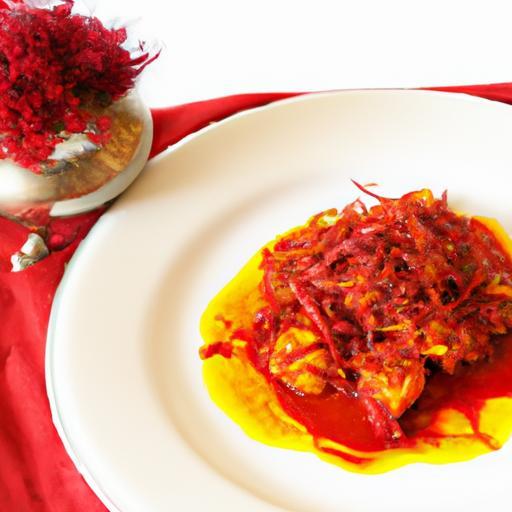
This golden Moroccan chicken pairs exquisitely with fluffy saffron-infused couscous or warm, crusty bread to soak up the rich sauce. For an added layer of freshness, serve with a side of roasted seasonal vegetables drizzled with lemon-tahini dressing. Garnish dishes with edible flower petals or extra saffron threads to elevate presentation and highlight the golden spice secrets at the heart of the meal.

| Nutrient | Per Serving |
|---|---|
| Calories | 350 |
| Protein | 30g |
| Carbohydrates | 8g |
| Fat | 20g |
Unlocking the Flavor Profile of Saffron in Conventional Moroccan Dishes
Saffron’s enchanting flavor in Moroccan cuisine is a delicate balance of earthy warmth, honeyed sweetness, and a subtle hay-like aroma. This balance enriches tagines, couscous, and even desserts. Its transformative power lies in the slow infusion – releasing a golden hue and scent that can only be fully appreciated by gentle simmering in broths or sauces.
techniques for Infusing Saffron to Enhance Aroma and Color
to unlock saffron’s full potential, moisten the threads in warm liquid-water, stock, or even wine-before use. Grind threads lightly with a mortar and pestle for more intensity if desired. Add saffron towards the beginning or middle stages of cooking, allowing gradual release of fragrance without bitterness.Avoid boiling saffron directly, which can degrade its nuances.
Expert Tips for Sourcing and Storing Premium Moroccan Saffron
Purchasing authentic moroccan saffron demands vigilance; always buy from reputable sources or specialty spice vendors. Look for vibrant,unbroken threads with a rich aroma-avoid powder forms unless pre-tested for quality. Store saffron in small, airtight dark containers in cool, dry conditions to maintain its prized essence. For more on saffron’s source authenticity,visit USDA Morocco Saffron Report.
For a deeper dive into Moroccan spices in your kitchen, check out our Complete Guide to Moroccan Spices to elevate your culinary repertoire.
Q&A
Q&A: golden spice Secrets – Using Saffron in Moroccan Dishes
Q1: What makes saffron the “golden spice” of Moroccan cuisine?
A1: Saffron isn’t just a spice; it’s a story in every thread. Known as the world’s most precious spice, these vivid red stigmas of the crocus flower bring a radiant golden hue and a subtle, floral earthiness to Moroccan dishes.Its rarity and delicate harvest embody the warmth and richness of Moroccan culture, making each pinch a treasure that transforms ordinary meals into culinary jewels.
Q2: How is saffron traditionally used in moroccan cooking?
A2: In Moroccan kitchens, saffron is a ceremonial ingredient that shines brightest in slow-cooked tagines, velvety broths, and fragrant rice dishes.It’s gently infused in warm water or broth to unlock its full color and aroma before joining the pot. This golden elixir enhances both savory and sweet recipes, weaving its magic without overpowering, but inviting you into layers of flavor.
Q3: Can you give an example of a classic Moroccan dish that highlights saffron?
A3: Absolutely! The quintessential dish is the Moroccan chicken tagine with preserved lemons and olives. Saffron imparts a luminous golden tone and a subtle earthy sweetness that perfectly balances the tangy lemon and briny olives. It’s a dish that sings with the harmony of spices, with saffron as the shining star anchoring the melody.
Q4: How much saffron should one use without overwhelming the dish?
A4: Saffron’s power lies in its subtlety. A mere pinch – roughly a dozen strands - is enough to infuse a dish for four to six people. Overuse can turn the flavor bitter or medicinal, so the secret is patience, gentle blooming in warm liquid, and trust in the spice’s delicate presence.
Q5: Are there any cultural rituals or traditions around saffron in Morocco?
A5: Indeed! Saffron is frequently enough reserved for special occasions such as weddings, festivals, and critically important family gatherings. It symbolizes hospitality and respect, turning communal meals into celebrations of friendship and heritage. Sharing a saffron-infused meal is like sharing a golden thread of Moroccan history, woven through generations.
Q6: How can a home cook best store and handle saffron to preserve its magic?
A6: Treat saffron like precious jewels – keep it in an airtight container away from light and humidity. Avoid grinding it until ready to use to preserve its aroma. When cooking, always soak saffron threads in a small amount of warm water or broth for 10-15 minutes to coax out their full flavor and vibrant color before adding it to your dish.
Q7: Besides the classic recipes,can saffron be used creatively in Moroccan-inspired dishes?
A7: Absolutely! Think beyond the tagine: saffron can elevate couscous salads,aromatic teas,and even desserts like orange blossom and almond cakes. embrace saffron’s versatility by blending it with ingredients like ginger, cinnamon, and rose water, creating new expressions of Moroccan spice artistry that surprise and delight the palate.
Q8: What is the secret takeaway for cooks wanting to master saffron in Moroccan dishes?
A8: Saffron’s secret isn’t just its flavor or color – it’s the care given in its use and the stories it carries.Use it sparingly, infuse it patiently, and honor its role as a bridge between senses and tradition. Mastering saffron in moroccan cooking means inviting a golden warmth into your kitchen and heart, turning every dish into a celebration of culture and craft.
In Retrospect
As the sun sets over the vibrant markets of Marrakech and the scent of simmering tagines fills the air, saffron reveals itself as more than just a spice-it’s a golden thread weaving together Morocco’s rich culinary tapestry. From the first delicate pinch to the final flavorful bite, mastering saffron’s secrets opens the door to authentic dishes bursting with color, aroma, and history. So next time you reach for that tiny crimson thread, remember: you’re not just adding flavor-you’re savoring centuries of tradition, culture, and a touch of moroccan magic.