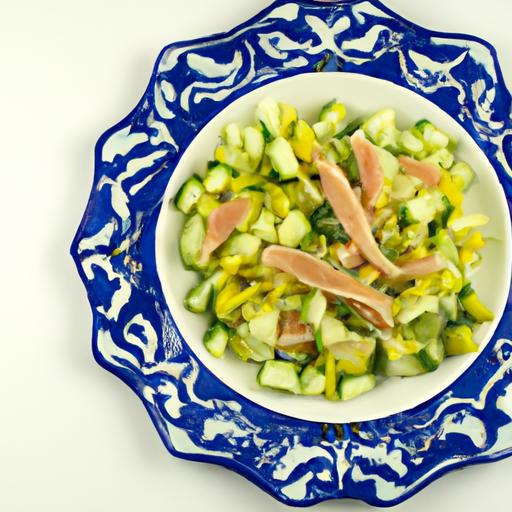
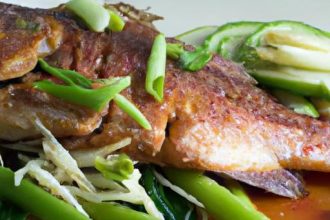
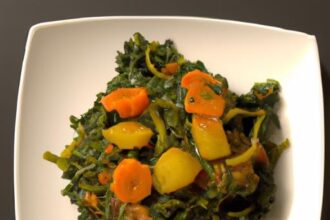
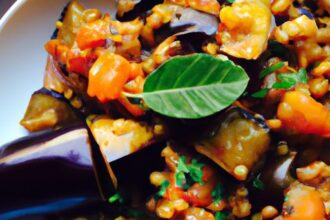
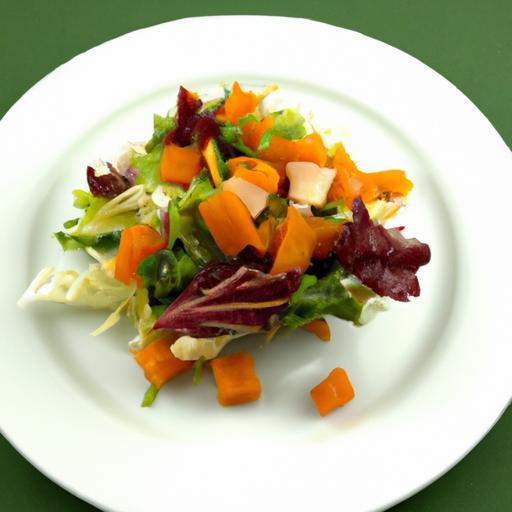
In a world brimming with fast fixes and fleeting food trends, the timeless art of clean eating invites us back to the roots of nourishment-pure, simple, and bursting with authentic flavor. “Savor Clean Eating: Wholesome European Recipes to Try Today” takes you on a delicious journey across the continent, were centuries-old culinary traditions celebrate fresh ingredients, seasonal harvests, and balanced harmony on every plate. From sun-kissed Mediterranean vegetables to hearty Nordic grains, these recipes aren’t just meals-they’re stories of culture, health, and sustainability, reimagined for the modern kitchen. Ready to elevate your palate and embrace a lifestyle where wholesome meets tantalizing? Let’s dive in.
savor Clean Eating with Homemade Mediterranean Chickpea Stew
savor clean eating by embracing the vibrant and nutrient-dense flavors of this mediterranean Chickpea Stew, a dish that marries rich tradition with wholesome ingredients.Originating from sun-kissed coastal villages, this stew is a party of simple staples-smoky paprika, ripe tomatoes, and creamy chickpeas-slowly simmered to develop deep, comforting flavors that transport you to Europe’s heartland. I often make this on chilly evenings, where its warmth fills both the kitchen and the soul, proving that clean eating never means sacrificing taste or satisfaction.
Prep and Cook Time
- Prep: 15 minutes
- Cook: 40 minutes
- Total: 55 minutes
Yield
Serves 4 generous portions
Difficulty Level
Easy
Ingredients
- 2 tablespoons extra virgin olive oil
- 1 large yellow onion, finely chopped
- 3 garlic cloves, minced
- 1 red bell pepper, diced
- 2 teaspoons smoked paprika
- 1 teaspoon ground cumin
- 1/4 teaspoon chili flakes (optional for a little heat)
- 1 can (14 oz) diced tomatoes, preferably San Marzano
- 2 cans (14 oz each) chickpeas, drained and rinsed
- 1 1/2 cups vegetable broth, low sodium
- Salt and freshly ground black pepper, to taste
- 1/4 cup fresh parsley, chopped, plus extra for garnish
- Juice of 1 lemon
Instructions
- Heat the olive oil in a large saucepan over medium heat. Add the onion and sauté until softened and translucent, about 5 minutes.
- Add the garlic and red bell pepper, cooking for another 3-4 minutes until fragrant and tender.
- Sprinkle in the smoked paprika, cumin, and chili flakes. Stir continuously for 1 minute to toast the spices and deepen their aromas.
- Pour in the diced tomatoes along with their juice, stirring well to combine. Allow the mixture to simmer gently for 10 minutes,stirring occasionally.
- Add the chickpeas and vegetable broth, stirring thoroughly. Season with salt and pepper to taste.
- Reduce heat to low, cover partially with a lid, and let simmer for 20 minutes. The stew will thicken slightly, and flavors will meld beautifully.
- Remove from heat, stir in the lemon juice and chopped parsley. Adjust seasoning if needed.
- Serve hot, garnished with a sprinkle of fresh parsley and a drizzle of olive oil.
Tips for Success
- Use San Marzano tomatoes for the richest, sweetest flavor; they elevate the stew’s authenticity and sweetness.
- If you prefer a creamier texture, lightly mash some of the chickpeas against the side of the pan before simmering.
- For added depth, try adding a splash of dry white wine right after toasting the spices, letting it reduce before adding tomatoes.
- Make it ahead: This stew tastes even better the next day as flavors develop, making it perfect for meal prep.
- Swap chickpeas for cooked white beans for a softer, earthier twist.
Serving Suggestions
This Mediterranean Chickpea Stew is a one-pot wonder, but it shines beautifully when served over a bed of fluffy quinoa or whole grain couscous to soak up the sauce. For extra crunch and freshness, add a side of cucumber and tomato salad dressed with lemon and olive oil. Garnish each bowl with a dollop of Greek yogurt and a light sprinkle of smoked paprika for contrast. Accompany with crusty whole-grain bread to mop up every last drop.

Nutritional Facts
| Nutrient | Per Serving |
|---|---|
| Calories | 320 kcal |
| Protein | 14 g |
| Carbohydrates | 40 g |
| Fat | 8 g |
| Fiber | 10 g |
For more inspiration on wholesome meals, check out our Wholesome european Breakfast Ideas. To deepen your understanding of Mediterranean diet benefits, visit Harvard’s Nutrition Source.
Q&A
Q&A: Savor Clean Eating – Wholesome European Recipes to Try Today
Q1: What exactly is “clean eating,” and why is it gaining popularity in European cuisine?
A: Clean eating is a deliciously simple approach focused on enjoying whole,minimally processed foods in their natural state. In Europe, where culinary traditions cherish fresh, local ingredients, clean eating resonates deeply. It’s about honoring seasonality, locality, and purity-think vibrant vegetables from the market, hearty grains, and fresh herbs-turning everyday meals into nourishing celebrations.
Q2: how do traditional European recipes fit into the clean eating lifestyle?
A: Many european classics are naturally aligned with clean eating principles. Take the Mediterranean diet’s bounty of olive oil, colorful veggies, and lean proteins, or the Nordic focus on root vegetables, whole grains, and wild-caught fish. These recipes emphasize balance and authenticity,proving that indulgence doesn’t require excess or artificial ingredients.
Q3: Can you share some standout European recipes perfect for someone starting clean eating?
A: Absolutely! Hear are three crowd-pleasers:
- provençal Ratatouille: A fragrant, rustic stew of zucchini, eggplant, bell peppers, and tomatoes simmered in olive oil and herbs.
- Italian Farro Salad: nutty farro tossed with cherry tomatoes, arugula, lemon juice, and a drizzle of extra virgin olive oil.
- Scandinavian Gravlax: Fresh salmon cured with dill, sugar, and salt, served with rye crispbread and mustard sauce-simple yet elegant.
All highlight fresh ingredients without fuss or heavy processing.
Q4: How can clean eating boost health without sacrificing flavor?
A: When you savor clean eats, you’re feeding your body with nutrient-rich foods packed with vitamins, minerals, and antioxidants that support wellbeing. The absence of additives means pure, vibrant flavors shine through. Herbs, spices, and traditional cooking techniques create complexity-think roasted garlic, caramelized onions, or a citrusy vinaigrette-that keep your palate excited and your body energized.
Q5: What tips do you have for sourcing authentic ingredients to keep your European clean-eating dishes genuine?
A: Start local! Visit farmers’ markets, search for small-batch artisanal producers, and prioritize seasonal bounty. If you crave a particular European specialty-like French chèvre or Spanish smoked paprika-seek out trusted suppliers online or in specialty shops. Keeping ingredients simple and authentic is the heart of clean eating and european culinary charm.Q6: How can someone incorporate these wholesome European recipes into a busy lifestyle?
A: Meal prepping is your ally! Many European dishes, like soups, stews, and grain salads, taste even better the next day as flavors meld. Choose recipes with short ingredient lists and easy techniques,like roasting vegetables or marinating proteins overnight. With a little planning, clean eating becomes a joyful part of everyday living, not a chore.
Q7: Where can readers find inspiration to explore more clean eating recipes from Europe?
A: Dive into cookbooks dedicated to Mediterranean, Nordic, or French country cooking-they often emphasize fresh, wholesome ingredients. Food blogs and social media channels by European chefs passionate about clean eating are treasure troves. and don’t forget to explore local markets and chat with vendors; sometimes, inspiration blooms from a single vibrant ingredient.
Savor clean eating and let each European bite tell a story of health, heritage, and happiness!
In Retrospect
As we wrap up our culinary journey through the flavors of wholesome Europe, remember that clean eating isn’t just a trend-it’s a celebration of fresh, natural ingredients and time-honored traditions. By embracing these simple, vibrant recipes, you invite nourishment and authenticity back to your table. so why wait? Dive into these dishes today, and let the essence of Europe’s rich food heritage inspire your next nourishing meal. Here’s to savoring clean, living well, and eating with intention-one wholesome bite at a time.