
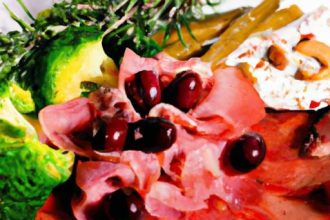

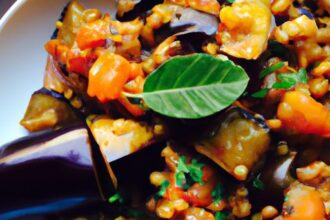
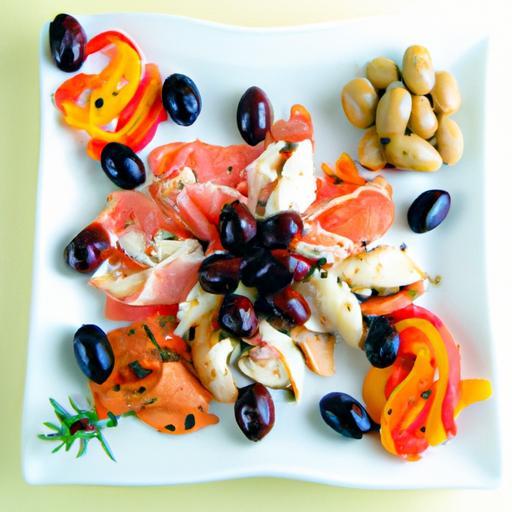
Italy’s culinary landscape is a vibrant tapestry woven with rich flavors, time-honored traditions, and an unwavering passion for food. At the heart of every Italian meal lies the art of antipasti-the delightful array of starters that awaken the palate and set the stage for a memorable dining experience. From the sun-kissed shores of Sicily to the rolling hills of Tuscany, antipasti offer a flavorful journey into Italy’s diverse regions, showcasing everything from rustic cured meats and cheeses to vibrant vegetables and savory seafood. Join us as we savor italy’s flavorful beginnings, exploring the stories, ingredients, and customs behind these beloved appetizers that invite you to taste la dolce vita, one bite at a time.
Savor Italy through an exquisite exploration of regional antipasti, where each bite reveals distinct textures and tastes that have defined classic Italian appetizers for centuries. These small plates, rich in heritage and flavor, are not just starters but a vivid journey to Italy’s diverse culinary landscape-from the sun-kissed Amalfi Coast’s fresh seafood to the robust, earthy flavors of piedmont’s truffles and cured meats.
Prep and Cook Time
Preparation: 20 minutes
Cooking: 15 minutes
Total Time: 35 minutes
Yield
Serves 4 as an appetizer sampler
Difficulty Level
Medium – Ideal for home cooks eager to impress with classic flavors and stylish presentation
Ingredients
- 200g thinly sliced prosciutto di Parma
- 150g fresh mozzarella di bufala, torn into bite-sized pieces
- 1 cup marinated mixed olives (kalamata, Cerignola, and Gaeta)
- 100g grilled artichoke hearts, quartered
- 2 medium ripe heirloom tomatoes, sliced
- 1 small red onion, thinly sliced
- Fresh basil leaves for garnish
- Extra virgin olive oil for drizzling
- 1 tbsp aged balsamic vinegar
- Freshly cracked black pepper, to taste
- Flaky sea salt, to taste
- 1 baguette or ciabatta bread, sliced and lightly toasted
instructions
- Prepare the base: Arrange the sliced heirloom tomatoes on a large serving platter, distributing them evenly to create a fresh and colorful foundation.
- Add the cheeses and cured meats: Artfully layer torn mozzarella di bufala and thin slices of prosciutto over the tomatoes,gently folding the prosciutto to add volume and texture.
- Incorporate marinated olives and grilled artichokes: Scatter olives and artichoke hearts between the tomatoes, prosciutto, and mozzarella, creating visual and taste contrasts.
- Layer the onion: Distribute thin slices of red onion across the arrangement for a hint of sharpness and crunch.
- garnish and season: Tear fresh basil leaves over the platter, then drizzle the entire dish with extra virgin olive oil and aged balsamic vinegar.
- Finish with seasoning: Crack fresh black pepper and sprinkle flaky sea salt carefully to enhance all flavors without overpowering them.
- Serve: Place toasted bread slices alongside for guests to create thier own tantalizing bites.
Chef’s Notes
- For a smoky twist, replace grilled artichokes with roasted red peppers or sun-dried tomatoes.
- Substitute buffalo mozzarella with burrata for an even creamier texture that melts beautifully in your mouth.
- Make ahead tip: Prepare the marinated vegetables and olives a day before to maximize their flavors.
- Balance acidity by choosing vinegars wisely-aged balsamic adds depth without sharpness.
- To elevate presentation, add thin slices of Parmigiano-Reggiano shavings or sprinkle toasted pine nuts on top.
Serving Suggestions
Serve this antipasti platter chilled or at room temperature, letting each ingredient’s vibrant aroma take center stage. complement the colors with a rustic wooden board or a sleek ceramic plate. Garnish with a few extra basil sprigs or edible flowers for an Instagram-worthy touch. Pair with classic Italian crusty bread or fresh grissini breadsticks.
Pairing Italian Antipasti with the Perfect Wine
To truly savor Italy, accompany your antipasti spread with a crisp, light-bodied Italian white such as a Verdicchio or a Pinot Grigio. Their fresh acidity cuts through the richness of the prosciutto and creamy mozzarella. For red lovers,a chilled glass of dolcetto or a lighter chianti complements the savory olives and balsamic notes without overpowering delicate flavors.
| Nutritional Info | Per Serving |
|---|---|
| Calories | 320 kcal |
| protein | 18g |
| carbohydrates | 12g |
| Fat | 22g |
Enhance your Italian antipasti adventure by exploring classic Italian bruschetta recipes or learn more about customary pairings through Wine Folly’s detailed Italian wine guide.

Q&A
Q&A: Savor Italy – A Delicious journey Through Antipasti and Appetizers
Q1: What exactly are antipasti, and how do they differ from appetizers?
A: Antipasti, literally meaning “before the meal” in Italian, are the traditional starters that open the Italian dining experience. Unlike generic appetizers that can be anything small and bite-sized, antipasti are a curated selection of flavors-think cured meats, marinated vegetables, cheeses, and olives-designed to awaken your palate and set the tone for the meal ahead. They embody the essence of Italy’s regional diversity and culinary artistry.
Q2: Why is antipasti such an important part of Italian culture?
A: Antipasti go beyond mere food; they’re a party of community,sharing,and the joy of lingering at the table. In Italy, meals are experiences, not just fuel. antipasti encourage conviviality-friends and family gather, share stories, and savor small bites that reflect the local land and traditions. They’re a delicious invitation to slow down and appreciate the artistry of simple, fresh ingredients.
Q3: What are some classic antipasti dishes every foodie should know?
A: A few standouts make every italian table sing:
- Prosciutto e Melone: Sweet ripe melon wrapped in silky, salty prosciutto.
- Bruschetta al Pomodoro: Crispy bread topped with garlicky tomatoes, basil, and olive oil.
- Caprese Salad: The iconic trio of fresh mozzarella, tomatoes, and basil, drizzled with balsamic and olive oil.
- Carciofi alla Romana: Tender Roman-style artichokes simmered with herbs and garlic.
- olives and Pickled Vegetables: The tangy, salty bites that stimulate the appetite.
Q4: How do regional differences influence antipasti across Italy?
A: Italy’s culinary landscape is as varied as its rolling hills and coastlines. In the north, you might find rich polenta-based bites or smoked fish from alpine lakes, while southern antipasti celebrate sun-drenched vegetables, spicy salumi, and seafood delicacies. Tuscany favors hearty crostini topped with chicken liver pâté, whereas sicily dazzles with caponata and marinated swordfish. Each region’s antipasti tell a story of local ingredients and centuries-old traditions.
Q5: Can antipasti be incorporated into modern or non-Italian meals?
A: Absolutely! The beauty of antipasti lies in their simplicity and versatility. They inspire creative combinations-imagine a Mediterranean-inspired platter at your next party or a relaxed brunch with olives, cheeses, and grilled vegetables. Their emphasis on fresh ingredients and balanced flavors means antipasti can easily complement global cuisines, inviting everyone to savor a little piece of Italy wherever they are.
Q6: What’s the best way to enjoy antipasti at home?
A: Start with quality ingredients-artisan cheeses, cured meats from trusted sources, fresh vegetables, and good olive oil. arrange them artfully on a board or platter,mixing textures and colors to create a feast for the eyes as well as the palate. Pair with a crisp Italian white wine or a light red, pour generously, and don’t rush. Remember, antipasti are all about enjoyment, connection, and setting the stage for a memorable meal.
Q7: Any tips for travelers wanting to experience authentic antipasti in Italy?
A: Venture beyond the tourist hubs and seek small, family-run trattorias or local markets. Don’t be afraid to ask the chef or vendor about their specialties-the best antipasti often come from generations-old family recipes. Pair your experience with regional wines and take your time soaking in the atmosphere. Above all, let your senses guide you, and savor every bite of Italy’s delicious heritage.
Insights and Conclusions
As we close this flavorful chapter on Italy’s antipasti and appetizers, its clear that these vibrant bites are much more than mere starters-they are a delicious gateway into the heart of Italian culture.From the briny richness of olives kissed by the Mediterranean sun to the delicate dance of cured meats and fresh cheeses, each plate tells a story steeped in tradition and regional pride. Whether enjoyed in a bustling piazza or recreated in your own kitchen, these dishes invite us to slow down, savor the moment, and celebrate the simple joys of sharing food and friendship. So next time you embark on your culinary wanderlust, let Italy’s antipasti guide your palate-and your soul-on a truly unforgettable journey. Buon appetito!